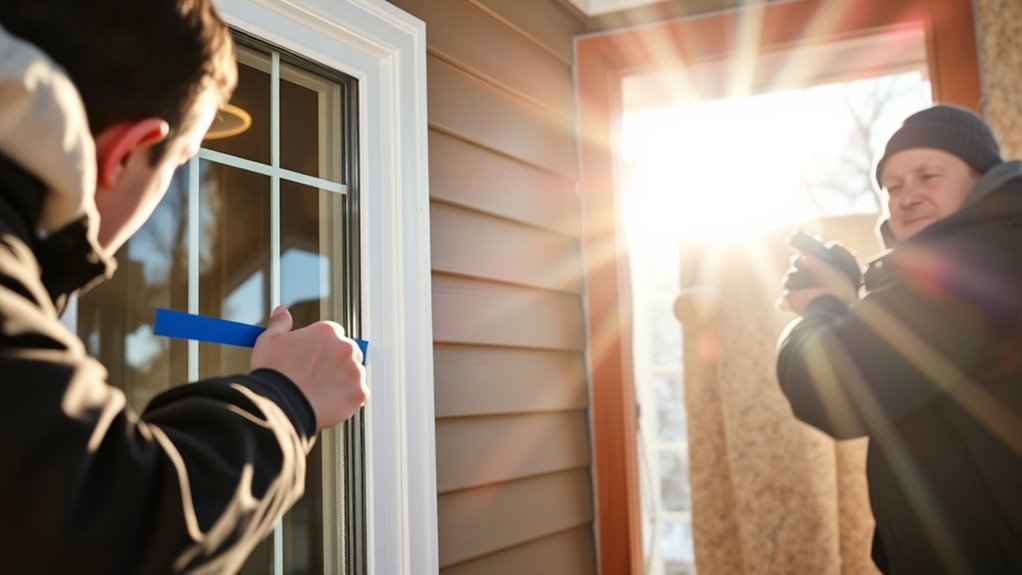

To reduce wind and heat loss, you should focus on sealing leaks around windows and doors, installing proper insulation, and ensuring your walls and roof meet code standards. Building codes specify required insulation levels and ventilation rules to keep your home efficient and comfortable. Staying compliant involves regular inspections and following updates from local authorities. If you want practical tips on how to implement these fixes and stay in compliance, there’s more to discover ahead.
Key Takeaways
- Building codes require specific insulation levels and airtight sealing to minimize wind and heat loss.
- Proper installation of insulation and sealing gaps helps meet compliance standards.
- Regular inspections ensure ongoing adherence to local regulations and identify deficiencies.
- Staying updated with regulations involves checking official sources and attending training.
- Combining insulation upgrades with airtight sealing improves energy efficiency and code compliance.
What Are Wind and Heat Loss in Buildings?
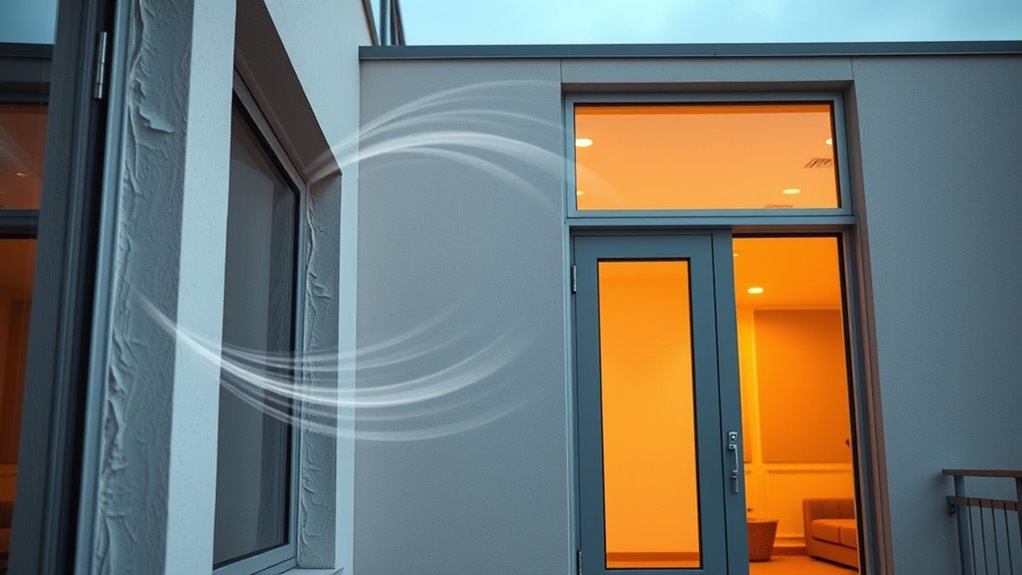
Wind and heat loss in buildings refer to the transfer of thermal energy through the building’s envelope, which includes walls, windows, doors, and roofs. Air leakage is a common cause, where gaps and cracks let outside air seep in or indoor air escape, increasing energy costs. Thermal bridging occurs when heat bypasses insulation through conductive materials like metal or wood framing, creating weak spots that allow heat to escape more easily. Both issues compromise your building’s energy efficiency, making it harder to maintain a comfortable indoor temperature. Addressing air leakage by sealing gaps and reducing thermal bridging through proper insulation can considerably cut heat loss. Proper insulation plays a crucial role in minimizing heat transfer and improving overall energy performance. Understanding these factors helps you improve your building’s performance and meet energy codes more effectively.
Key Codes and Standards You Need to Know
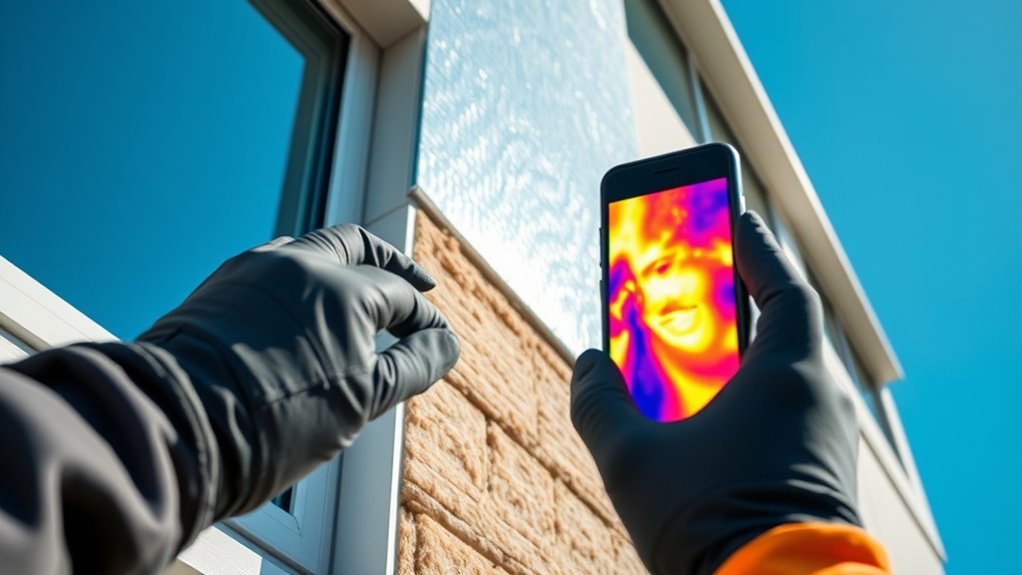
Understanding the key codes and standards governing building performance is vital for effectively managing wind and heat loss. You need to familiarize yourself with insulation standards, which specify how well walls, roofs, and floors must be insulated to prevent heat transfer. These standards help guarantee your building maintains energy efficiency and comfort. Additionally, ventilation practices are regulated to balance airflow without losing heat, ensuring proper indoor air quality while minimizing energy waste. Building codes like the International Energy Conservation Code (IECC) or local regulations set requirements for insulation and ventilation systems. Staying compliant means designing and maintaining your building according to these standards, which directly impact your ability to reduce wind and heat loss effectively. Knowing these codes helps you avoid costly penalties and improves overall building performance. Proper juice extraction techniques can also influence energy efficiency by ensuring materials are used optimally in construction and maintenance.
Common Fixes to Reduce Wind and Heat Loss
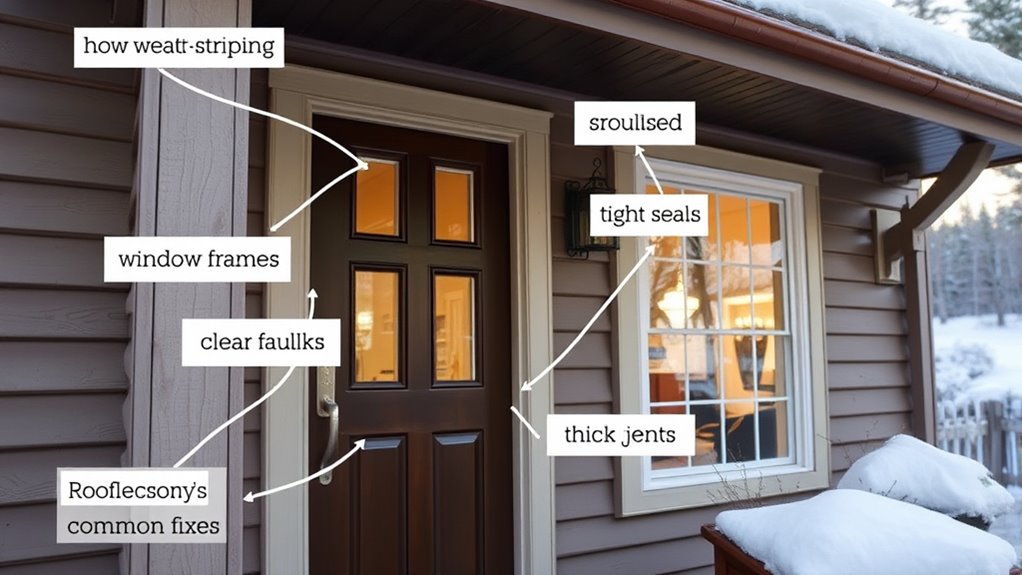
To effectively reduce wind and heat loss, implementing common fixes can make a significant difference in your building’s energy efficiency. Focus on insulation upgrades and airtight sealing to prevent drafts and heat escape. Proper insulation keeps warm air inside during winter and cool air during summer, lowering heating and cooling costs. Airtight sealing blocks gaps around windows, doors, and vents, stopping unwanted air infiltration. Additionally, AI-powered security solutions analyze building data to optimize energy use and improve climate control efficiency. Here’s a quick comparison:
| Fix | Benefits |
|---|---|
| Insulation Upgrades | Improves thermal barrier, saves energy |
| Airtight Sealing | Eliminates drafts, enhances comfort |
How to Ensure Your Home Meets Compliance Requirements
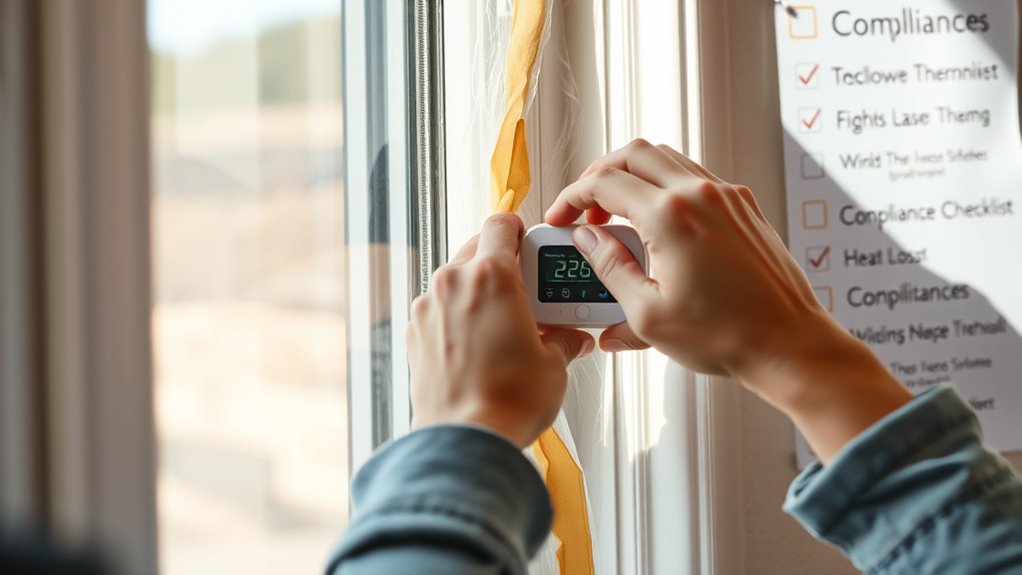
Ensuring your home meets compliance requirements is essential for both safety and energy efficiency. Start by familiarizing yourself with local building codes and regulations, which specify standards for insulation, wind resistance, and heat retention. Conduct regular inspections to identify areas where your home may fall short, such as inadequate insulation or drafts. Upgrading insulation is one of the most effective ways to improve energy efficiency and meet code standards. Make sure your insulation upgrades are installed properly and adhere to the latest regulations. Keep detailed records of any improvements or repairs, as they can help during inspections or resale. Staying proactive and informed guarantees your home remains compliant, safe, and energy-efficient over time. Pay attention to building standards to ensure all aspects of your home meet current requirements.
Tips for Staying Up-To-Date With Building Regulations
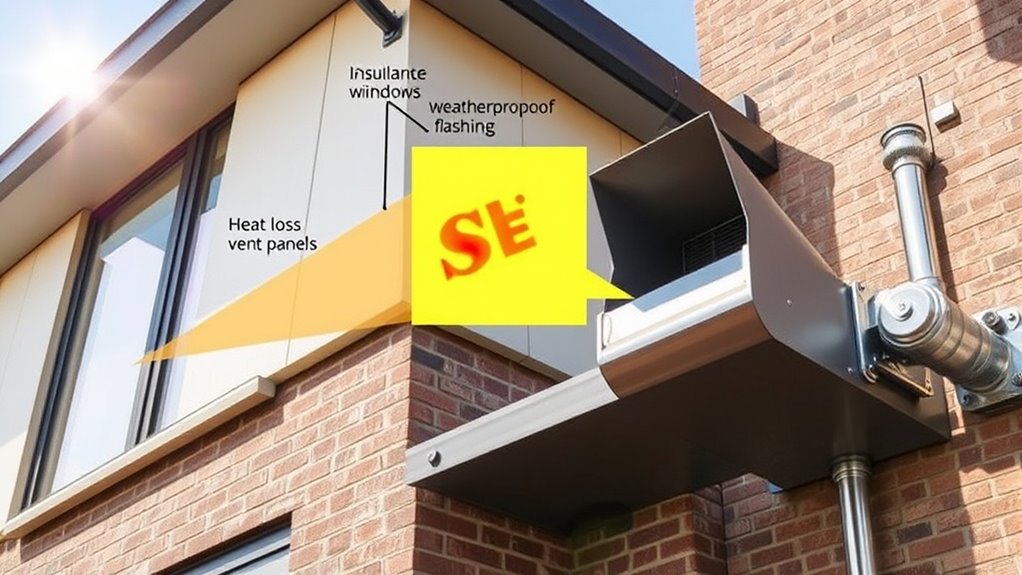
Staying current with building regulations helps you maintain compliance and guarantee your home stays safe and energy-efficient. To do this, regularly check updates from local authorities or industry organizations. Subscribe to newsletters or alerts that notify you of changes in insulation techniques or energy efficiency standards. Attend workshops or training sessions to deepen your understanding of new codes. Consult qualified professionals who stay informed about regulation updates and can advise you on necessary adjustments. Keep detailed records of your projects to demonstrate compliance. Use reliable resources to verify that your insulation techniques meet current requirements. Reviewing positive thinking strategies can also help maintain a proactive mindset when adapting to new regulations. By staying proactive and informed, you ensure your home adheres to regulations, reducing heat loss and improving energy efficiency over time.
Frequently Asked Questions
How Do Wind and Heat Loss Impact Overall Energy Bills?
Wind and heat loss directly increase your energy bills by reducing your home’s thermal efficiency. When wind penetrates your building and heat escapes, your heating system works harder to maintain a comfortable temperature. Insulation improvements and sealing leaks can considerably cut these losses, saving you money. Addressing wind and heat loss ensures your home retains warmth better, lowering energy consumption and making your bills more manageable over time.
Can DIY Fixes Effectively Improve Building Compliance?
You can definitely tackle DIY fixes to improve building compliance, but be aware that DIY effectiveness varies. If you don’t address wind and heat loss properly, compliance challenges will persist, and you might end up throwing good money after bad. It’s like chasing your tail. For the best results, follow proper guidelines and consider professional advice when needed, ensuring your efforts actually meet code standards and boost energy efficiency.
Are There Specific Materials Recommended for Windproofing?
You should choose building materials like weather-resistant membranes, sealants, and exterior cladding to effectively windproof your home. Insulation options such as spray foam, rigid foam boards, or batt insulation also help block drafts. Make certain you seal gaps around windows, doors, and vents with appropriate materials. Using these materials and insulation options not only improves wind resistance but also enhances your home’s overall energy efficiency and comfort.
What Are Common Penalties for Non-Compliance With Codes?
If you don’t comply with building codes, you could face penalties such as fines, stop-work orders, or even legal action. You need building permits and must meet inspection requirements to avoid these issues. Non-compliance can delay your project, increase costs, and result in mandatory repairs. Always confirm your work adheres to local regulations, obtain necessary permits, and pass inspections to stay compliant and avoid penalties.
How Often Should Building Regulations Be Reviewed or Updated?
You should review building regulations regularly, ideally every 1 to 3 years, to stay current with building code updates and guarantee compliance. The regulation review frequency depends on the complexity of your projects and local requirements, but frequent updates help you adapt to new safety standards and technology. By staying proactive, you prevent violations, avoid penalties, and ensure your projects meet the latest safety and efficiency standards.
Conclusion
By understanding wind and heat loss, you hold the key to a more efficient, cozy home. Think of building codes as your trusty map—guiding you through the maze of regulations. Stay proactive, keep up with updates, and don’t let gaps in compliance be the silent thief of comfort and savings. When you’re informed and prepared, you turn the challenge into an opportunity—making your home both smarter and warmer, one fix at a time.