
To keep ingredients safe at your party, stay mindful of proper temperature ranges. Keep hot foods above 140°F using chafing dishes or warmers, and cold dishes below 40°F with coolers or ice packs. Refrigerate leftovers promptly and avoid leaving perishable items out for more than two hours. Use a food thermometer regularly to check temperatures, and discard any questionable foods. Following these tips guarantees your guests enjoy safe and delicious dishes—learn more to host a worry-free event.
Key Takeaways
- Keep hot foods above 140°F using chafing dishes or warming trays to prevent bacterial growth.
- Maintain cold ingredients below 40°F with coolers, ice packs, or refrigeration until just before serving.
- Limit perishable food exposure outside refrigeration or heat sources to under 2 hours (1 hour if above 90°F).
- Use food thermometers to verify proper temperatures and discard any food left out too long.
- Handle food with clean utensils, avoid double-dipping, and encourage hand washing to prevent cross-contamination.

Hosting a party is a great way to bring people together, but ensuring your food is safe is essential to prevent illness. One of the biggest risks at gatherings is foodborne illness, which can spread quickly if proper precautions aren’t taken. The key to avoiding this is effective temperature control. Bacteria that cause foodborne illnesses flourish between 40°F and 140°F, often called the danger zone. When food stays within this range for too long, you risk inviting harmful pathogens that can make your guests sick.
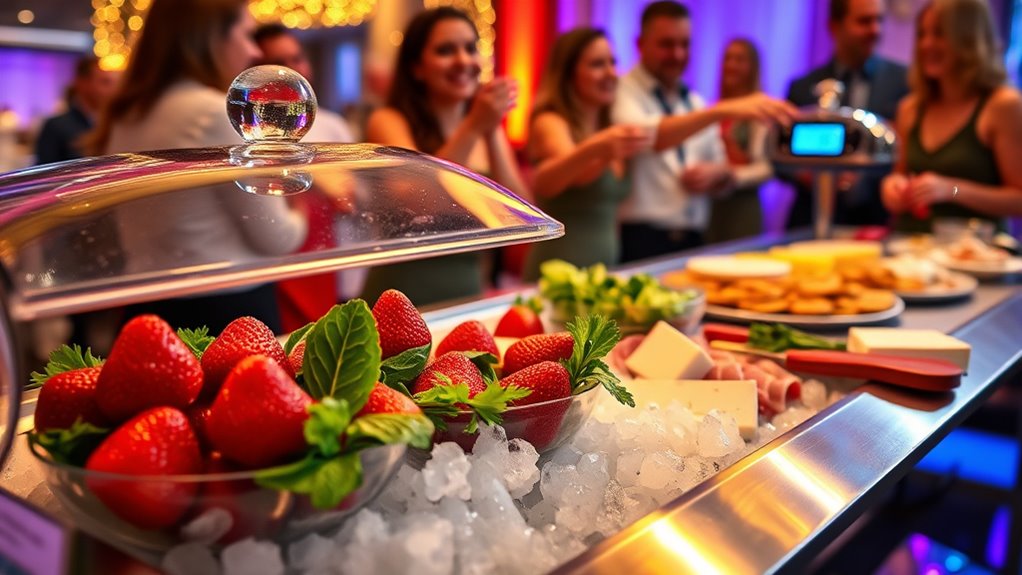
To keep everything safe, you should prioritize keeping hot foods hot and cold foods cold. For hot dishes, use chafing dishes, slow cookers, or warming trays to maintain a temperature above 140°F. This prevents bacteria from multiplying. Likewise, for cold items like salads, fruits, or dips, keep them refrigerated until just before serving. If you need to serve these items outdoors or in warm environments, use coolers with ice or ice packs to keep temperatures below 40°F. Remember that once you take cold food out of the fridge, it should be kept cold and not left out for more than two hours. If the ambient temperature is above 90°F, this window shrinks to just one hour.
Keep hot foods above 140°F and cold foods below 40°F to prevent bacteria growth at your party.
When preparing food in advance, cool leftovers quickly by dividing large quantities into smaller containers and placing them in the fridge promptly. Do not leave cooked or perishable food out for extended periods. Proper temperature control doesn’t just protect your guests from foodborne illness; it also preserves the quality and flavor of your dishes. Use a food thermometer to double-check that your hot foods are at the right temperature and that cold foods stay below the critical threshold. Additionally, understanding the contrast ratio of your serving dishes can help ensure that the presentation enhances the visual appeal of your food, making it more appetizing and safer to serve.
During the party, be vigilant about how long perishable items sit out. If you notice any food has been out past the recommended time, it’s safer to discard it rather than risk someone falling ill. Encourage your guests to use serving utensils and avoid double-dipping, which can spread bacteria. Also, remind everyone to wash their hands frequently, especially after handling raw ingredients.

Alpha Grillers Instant Read Meat Thermometer Digital, Cooking, Food, Grill
- Instant Read Response: 2-second temperature reading
- Versatile Use: Suitable for grilling, baking, frying
- Easy-to-Read Display: Bright backlit digital screen
As an affiliate, we earn on qualifying purchases.
As an affiliate, we earn on qualifying purchases.
Frequently Asked Questions
How Can I Tell if Leftovers Are Still Safe to Eat?
You can tell if leftovers are still safe to eat by checking for signs of food spoilage like an off smell, slimy texture, or unusual color. Always store leftovers promptly in airtight containers and keep them at the right temperature, ideally below 40°F (4°C). If leftovers sit out too long or show any spoilage signs, it’s safest to discard them. Proper safe storage helps prevent foodborne illnesses.
What Are the Best Ways to Keep Hot Foods Hot?
To keep hot foods hot, you should use proper cooking methods like slow cookers or chafing dishes. Always monitor the temperature with a food thermometer, ensuring it stays above 140°F. Cover dishes to retain heat and stir occasionally to distribute warmth evenly. If you’re holding food for a while, place it in a warming tray or oven set to a safe temperature to prevent bacteria growth.
How Long Can Raw Ingredients Sit Out Without Spoiling?
Oh, the thrill of leaving raw ingredients out longer than a fruit fly’s lifespan! You should ideally keep raw ingredients out no more than 2 hours, or 1 hour if it’s hot. After that, spoilage signs like slimy textures or bad smells start creeping in. Beyond this safe duration, bacteria may happily multiply, risking foodborne illnesses. So, don’t gamble—chill or cook quickly to stay safe!
Are There Specific Temperature Guidelines for Different Food Types?
Yes, there are specific temperature guidelines for different food types to guarantee food safety standards. You should keep hot foods above 140°F and cold foods below 40°F to prevent bacteria growth. For perishable items like dairy, meats, and seafood, maintaining these temperatures is essential. Use a food thermometer to check temperatures regularly, and always follow recommended guidelines to keep your guests safe and your food fresh during parties.
What Should I Do if a Guest Accidentally Leaves Food Out?
Imagine your guest’s accidental leaving of food out is like a candle flickering in the wind—delicate and needing protection. If you notice this, promptly discard perishable items left out for over two hours, as bacteria can grow rapidly. Prioritize guest food safety by replacing the food and ensuring it’s stored at proper temperatures. Your quick action helps prevent foodborne illness and keeps everyone safe and happy.

Alpha Living 6 Pack – Disposable Chafing Dish Buffet Set, Half Size Pans, Welded Body Food Warmers for Parties, Fuel Cans Complete Set, Warming Trays
- Pro-Level Catering: Perfect for events and buffets
- Complete Buffet Set: Includes pans, racks, utensils, and fuel
- Durable, Food-Grade Materials: Made with high-quality, safe aluminum
As an affiliate, we earn on qualifying purchases.
As an affiliate, we earn on qualifying purchases.
Conclusion
To keep your party a jolly good time without any food mishaps, always monitor your ingredients’ temperatures. Remember, even in the age of dial-up, food safety is timeless. Keep hot foods hot and cold foods cold, and you’ll avoid any unwanted guests—like foodborne illnesses. Just like a trusty steed, proper temperature control is your best ally. So, be the host with the most, and let safety be your secret ingredient!

Maelstrom 30Can Collapsible Soft Cooler Bag, Leakproof Insulated Ice Chest
- Large Capacity: Holds 30 cans of 330ML drinks
- Insulated & Leakproof: Keeps items cold for 24 hours, 5-layer waterproof design
- Multiple Pockets: Includes main, front, side, and back storage pockets
As an affiliate, we earn on qualifying purchases.
As an affiliate, we earn on qualifying purchases.

Freezer Meter Food Safety Thermometer, Traceable Temperature Monitor Without Wires or Batteries
- Safe Food Temperature Monitoring: Ensures food safety according to FDA standards
- Durable PET Plastic Construction: Resistant to cracking and breaking from freezing
- Simple Installation Process: Freeze water, position the red ball, hang in freezer
As an affiliate, we earn on qualifying purchases.
As an affiliate, we earn on qualifying purchases.