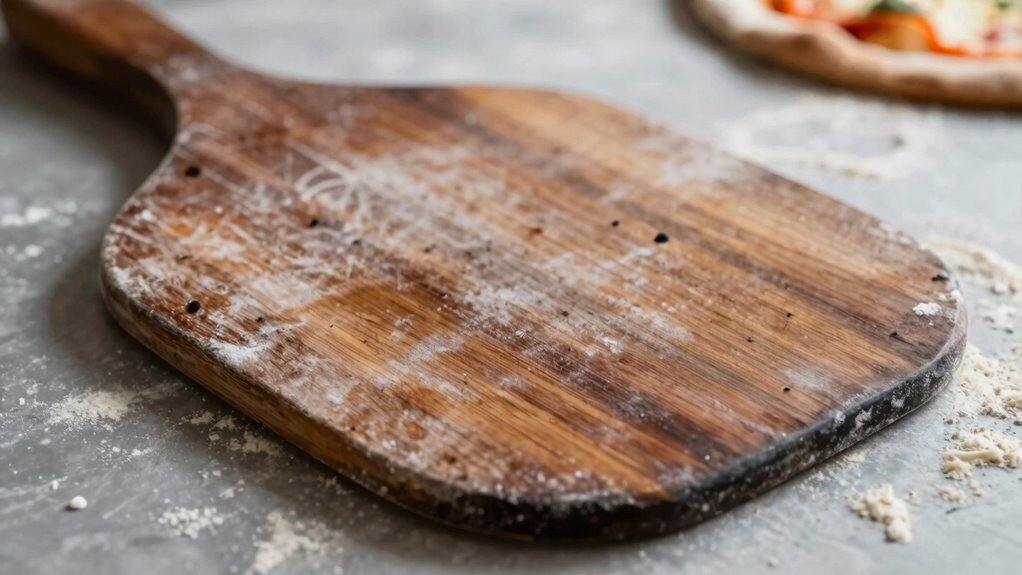

If you’re looking to perfect your pizza game, choosing the right pizza peel is essential. The Best Overall pick, the Chef Pomodoro Aluminum Pizza Peel, offers a great balance of durability and ease of use. For budget-friendly options, the 12 inch Bamboo Pizza Peel provides excellent value, while the Large Stainless Steel Peel is ideal for those needing a larger surface. The main tradeoffs in this category involve balancing material quality, handle design, and size. Keep reading for a detailed breakdown of these options and what to consider before buying.

Get baking supplies delivered free — and shop member deals
- Fast, free delivery on millions of items
- Access to Prime Big Deal Days deals on October 6–7
- Prime Video, Amazon Music and more included
Complete the kit


Key Takeaways
- Material choice between wood and aluminum impacts weight, durability, and heat transfer.
- Handle design, especially foldable or detachable handles, affects storage and usability.
- Size varies significantly; larger peels suit commercial use, smaller ones are better for home kitchens.
- Additional features like integrated cutters or multi-purpose boards add versatility but may increase cost.
- Budget options can perform well but often sacrifice some durability or ergonomic comfort.
| 12 inch Bamboo Pizza Peel and Spatula |  | Best for Beginners and Multi-Purpose Use | Material: Bamboo | Size: 12 inches wide, 17.5 inches long | Handle Length: 4.5 inches | VIEW ON AMAZON | See Our Full Breakdown |
| Old Stone Aluminum Pizza Peel with Collapsible Wooden Handle, 14×16 Inches |  | Best for Large Pizzas and Heavy-Duty Use | Size: 14×16 inches | Material: Aluminum, Wood | Handle Type: Collapsible wooden handle | VIEW ON AMAZON | See Our Full Breakdown |
| Chef Pomodoro Aluminum Pizza Peel 12×14 in, Foldable Wood Handle |  | Best for Versatility and Compact Storage | Size: 12×14 inches | Material: Aluminum with pine handle | Handle: Foldable wood handle | VIEW ON AMAZON | See Our Full Breakdown |
| New Star Foodservice 50295 Restaurant-Grade Wooden Pizza Peel, 16″ L x 14″ W Plate, with 8″ L Wooden Handle, 24″ Overall Length |  | Best for Professional-Grade Durability | Material: Basswood | Blade Length: 16 inches | Blade Width: 14 inches | VIEW ON AMAZON | See Our Full Breakdown |
| Mooues 12 Inch Aluminum Pizza Peel with Rocker Cutter and Storage Bag |  | Best for Gift-Giving and Multi-Component Set | Material: Aluminum | Size: 12 inch x 14 inch (folded), 12 inch x 25 inch (extended) | Handle: Wooden | VIEW ON AMAZON | See Our Full Breakdown |
| Chicago Brick Oven 12 x 14 Aluminum Pizza Peel with Detachable Handle |  | Best for Extra-Large Pizzas and Safe Handling | Size: 12 x 14 inches | Handle Length: 21 inches | Total Length: 35.5 inches | VIEW ON AMAZON | See Our Full Breakdown |
| American Metalcraft 16′ x 18′ Aluminum Pizza Peel with 12′ Wood Handle |  | Best for Versatility and Professional Use | Blade Material: 14-gauge aluminum | Blade Size: 16 x 18 inches | Handle Length: 14 inches | VIEW ON AMAZON | See Our Full Breakdown |
| Large Pizza Peel 16 inch with Stainless Steel Pizza Cutter – Folding Handle |  | Best for Large Pizzas and Convenience | Size: 16 inches | Material: Food-grade aluminum | Handle Type: Folding handle | VIEW ON AMAZON | See Our Full Breakdown |
| Pizza Peel 12 Inch Aluminum Paddle with Cutter and Spatula – 3-Piece Pizza Making Set |  | Best for Complete Pizza Making and Gift-Giving | Product Dimensions: 25 x 12 x 0.39 inches | Material: Aluminum, Wood | Set Includes: Pizza peel, Rocker cutter, Spatula | VIEW ON AMAZON | See Our Full Breakdown |
| Wooden Pizza Peel 16 Inch Board with Engraved Sizes – Multi-Purpose Bamboo Pizza Cutting Board, Wood Pizza Peel, Pizza Spatula Paddle, and Serving Board |  | Best for Serving and Precise Pizza Preparation | Material: Bamboo | Size: 16 inches wide, 17 inches long (25 inches including handle) | Engraved Sizes: 10″, 12″, 14″, 16″ | VIEW ON AMAZON | See Our Full Breakdown |
| pizza peel | Material | Size |
|---|---|---|
| 12 inch Bamboo Pizza Peel and | Bamboo | 12 inches wide, 17.5 inches long |
| Old Stone Aluminum Pizza Peel | Aluminum, Wood | 14×16 inches |
| Chef Pomodoro Aluminum Pizza P | Aluminum with pine handle | 12×14 inches |
| New Star Foodservice 50295 Res | Basswood | — |
| Mooues 12 Inch Aluminum Pizza | Aluminum | 12 inch x 14 inch (folded), 12 inch x 25 inch (extended) |
| Chicago Brick Oven 12 x 14 Alu | Aluminum head, Wooden handle | 12 x 14 inches |
| American Metalcraft 16′ x 18′ | — | — |
| Large Pizza Peel 16 inch with | Food-grade aluminum | 16 inches |
| Pizza Peel 12 Inch Aluminum Pa | Aluminum, Wood | — |
| Wooden Pizza Peel 16 Inch Boar | Bamboo | 16 inches wide, 17 inches long (25 inches including handle) |
More Details on Our Top Picks
12 inch Bamboo Pizza Peel and Spatula
This bamboo peel excels in its versatility, serving as both a pizza peel and an attractive serving board, making it ideal for casual bakers or those who want a multi-use kitchen tool. Its smooth bamboo surface minimizes sticking, which is a plus compared to metal options like the Old Stone aluminum peel, where sticking can be more of an issue. However, its limited size—suitable for pizzas up to 11 inches—may restrict larger pizza enthusiasts. The short handle and bamboo material require careful cleaning to avoid damage, but its aesthetic appeal and ease of handling make it a practical choice for beginners or those with smaller ovens. Compared with the aluminum options, it offers a more natural look but sacrifices some durability and size capacity.
Pros:- Made of high-quality bamboo with a smooth, non-stick surface
- Multi-purpose design doubles as a serving or cutting board
- Aesthetic addition to the kitchen with easy cleaning
Cons:- Limited to pizzas up to 11 inches in size
- Short handle may be uncomfortable for some users
- Bamboo requires careful cleaning to prevent damage
Best for: Home bakers starting out or those who want a stylish, multi-purpose tool for small pizzas and serving.
Not ideal for: Experienced pizza chefs making large or thick-crust pizzas regularly, due to size and handle limitations.
- Material:Bamboo
- Size:12 inches wide, 17.5 inches long
- Handle Length:4.5 inches
- Thickness:0.47 inches
- Weight:1.6 lbs
- Maximum Pizza Size:11 inches
Our verdict“This pick makes the most sense for beginners or casual users seeking a stylish, multi-use peel for small pizzas and serving needs.”
Old Stone Aluminum Pizza Peel with Collapsible Wooden Handle, 14×16 Inches
This large aluminum peel offers a generous 14×16-inch surface, making it an excellent choice for those who frequently bake multiple or larger pizzas. Its heavy-duty aluminum construction ensures durability and smooth sliding, especially compared with the lighter, more delicate bamboo peel. The collapsible wooden handle adds convenience for storage but requires careful handling to avoid splinters or damage, especially if not maintained properly. Its size and sturdy build make it ideal for professional or serious home cooks, yet the handle’s complexity might be a drawback for casual users who prefer simplicity. Unlike the foldable peel by Chef Pomodoro, which is lighter and more compact, the Old Stone peel prioritizes size and durability over portability.
Pros:- Large 14×16-inch surface suitable for big pizzas
- Collapsible handle for compact storage
- Heavy-duty aluminum for durability and smooth sliding
Cons:- Handle may require careful handling to avoid splinters
- Not suitable for very heavy or super thick crusts
- Limited color options and aesthetic appeal
Best for: Home chefs or small pizzerias making large, heavy crust pizzas regularly.
Not ideal for: Users with limited storage space or those seeking a lightweight, easy-to-store peel for occasional use.
- Size:14×16 inches
- Material:Aluminum, Wood
- Handle Type:Collapsible wooden handle
- Item Weight:2.1 pounds
- Model Number:KCH-08436
- UPC:048002000161
Our verdict“This peel is best suited for serious home cooks or small commercial kitchens needing a large, durable tool for frequent use.”
Chef Pomodoro Aluminum Pizza Peel 12×14 in, Foldable Wood Handle
This aluminum peel stands out for its lightweight design and foldable handle, making it a versatile choice for both home and small commercial kitchens. Its 12×14-inch surface offers enough room for standard pizzas, and the ultra-thin edge facilitates easy sliding. Compared with the Old Stone peel, it’s more portable and easier to store, though the foldable handle might feel less sturdy than a fixed one for some users. The aluminum surface heats up quickly, so handling with care is necessary, especially if used for frequent, high-temperature baking. Its rust-resistant finish and compatibility with all oven types make it a flexible option, though more seasoned bakers might prefer a more robust, non-folding peel for heavy-duty use.
Pros:- Lightweight and easy to maneuver
- Foldable handle saves storage space
- Compatible with all oven types including wood-fired
Cons:- Handle may be less sturdy than fixed wooden handles
- Aluminum can get hot if not handled carefully
- Limited color options and aesthetic choices
Best for: Home bakers or chefs seeking a lightweight, space-saving peel suitable for all oven types, including wood-fired and pizza stones.
Not ideal for: Those handling very large or heavy-crust pizzas regularly, or who prefer a non-folding, more sturdy handle for heavy-duty use.
- Size:12×14 inches
- Material:Aluminum with pine handle
- Handle:Foldable wood handle
- Length:24 inches
Our verdict“This peel is perfect for space-conscious users who want a lightweight, versatile tool that folds for easy storage.”
New Star Foodservice 50295 Restaurant-Grade Wooden Pizza Peel, 16″ L x 14″ W Plate, with 8″ L Wooden Handle, 24″ Overall Length
This wooden peel, crafted from sturdy basswood, offers a professional-grade tool with a tapered blade that facilitates easy sliding and lifting of pizzas. Its size and weight make it well-suited for handling larger pizzas or multiple baked goods, especially when compared with the smaller bamboo peel. The wooden construction provides a rustic, traditional feel, but it requires hand washing and careful maintenance—differing from the low-maintenance aluminum options like Chef Pomodoro or Mooues. The handle length of 8 inches might feel short for some users, particularly when handling larger pizzas. While it excels in durability and traditional appeal, it’s less convenient for quick storage or frequent, fast-paced baking compared to foldable or aluminum options.
Pros:- Sturdy, durable basswood construction
- Tapered blade design for easy sliding and lifting
- Lightweight and easy to maneuver
Cons:- Handle may be too short for some users
- Requires hand washing—not dishwasher safe
- Limited to lifting and serving, not ideal for frequent storage
Best for: Professional or serious home bakers who prioritize durability and traditional craftsmanship for larger pizzas.
Not ideal for: Casual bakers or those seeking an easy-to-clean, dishwasher-safe peel for occasional use or smaller pizzas.
- Material:Basswood
- Blade Length:16 inches
- Blade Width:14 inches
- Handle Length:8 inches
- Overall Length:24 inches
Our verdict“This peel is best suited for those who want a traditional, durable tool for handling larger pizzas, especially in a professional setting.”
Mooues 12 Inch Aluminum Pizza Peel with Rocker Cutter and Storage Bag
This 12-inch aluminum peel combines functionality with a gift-ready presentation, including a professional pizza cutter and stylish storage bag. Its lightweight aluminum construction ensures smooth sliding of pizzas, comparable to other aluminum options like Chef Pomodoro, but with added flair thanks to the included accessories. The foldable handle makes storage straightforward, though it may require some assembly or screw adjustment for full extension. The inclusion of a rocker cutter makes this set particularly appealing for those who want a comprehensive pizza-making kit, but it’s primarily suitable for those focused on home baking and gifting rather than heavy-duty commercial use. The blue film that needs removal before use is a small inconvenience, and its limited scope to pizza and baking tasks may leave some users wanting more versatility.
Pros:- Lightweight, rust-resistant aluminum construction
- Includes a professional pizza cutter and stylish storage bag
- Foldable handle facilitates compact storage
Cons:- Blue protective film must be removed before use
- Handle may require adjustment for full extension
- Limited to pizza and baking-related activities
Best for: Home bakers seeking a complete, gift-ready pizza set with a foldable peel and accessories.
Not ideal for: Heavy-duty pizzerias or frequent professional use where a more robust, non-folding peel is preferred.
- Material:Aluminum
- Size:12 inch x 14 inch (folded), 12 inch x 25 inch (extended)
- Handle:Wooden
- Included Components:Rocker cutter, storage bag
Our verdict“This set makes sense for home bakers who want a stylish, multi-component pizza kit suitable for gifting and casual use.”
Chicago Brick Oven 12 x 14 Aluminum Pizza Peel with Detachable Handle
This peel stands out for its large 12 x 14-inch aluminum surface, making it ideal for transferring larger pizzas or multiple baked goods at once. The detachable 21-inch handle enhances safety and storage convenience, a feature that surpasses most fixed-handle models like the American Metalcraft 16 x 18. However, the aluminum surface can heat up during use, requiring careful handling to avoid burns, and the handle may feel less sturdy with heavier pizzas. Compared to smaller or fixed-handle options, this peel offers a substantial transfer area but trades off some handle stability. Its lightweight design makes maneuvering easier, but users should be cautious with its less rigid handle for heavy loads.
Pros:- Large aluminum surface perfect for extra-large pizzas
- Detachable handle for safe storage and easier cleaning
- Lightweight and easy to maneuver
- Smooth surface simplifies cleaning
Cons:- Handle may be less sturdy under heavy loads
- Aluminum surface heats quickly, risking burns
- Requires careful handling to avoid bending
Best for: Bakers who regularly prepare large pizzas or bake in outdoor grills and want a large, lightweight peel with safe handling features.
Not ideal for: Small kitchens or those requiring a very sturdy handle for heavy-duty use, as the handle might be less robust for very heavy pizzas or frequent professional use.
- Size:12 x 14 inches
- Handle Length:21 inches
- Total Length:35.5 inches
- Material:Aluminum head, Wooden handle
Our verdict“This peel is best suited for those needing a large, lightweight option with safety features, especially for outdoor or high-volume baking.”
American Metalcraft 16′ x 18′ Aluminum Pizza Peel with 12′ Wood Handle
This peel offers a sizable 16 x 18-inch aluminum blade paired with a 14-inch wooden handle, making it suitable for both home cooks and professionals. Its perforated blade reduces weight and allows excess flour or debris to fall away, similarly to the Large Pizza Peel 16 inch with Stainless Steel Cutter, but the perforations demand careful cleaning. Compared to the Chicago Brick Oven peel, its handle may be less lengthy for outdoor use but provides a stable grip during high-heat baking. Its versatility extends to breads and pastries, but the need for hand washing limits convenience for some users, and the handle length could be cumbersome in tight spaces. Overall, it balances durability with a professional-grade design.
Pros:- Durable 16 x 18-inch aluminum blade for large pizzas
- Comfortable wooden handle for safe handling
- Versatile for breads, pastries, and pies
- Lightweight for easy maneuvering
Cons:- Handle may be too long for small storage spaces
- Hand wash only limits convenience
- Perforated blade needs careful cleaning
Best for: Home bakers or small pizzerias seeking a durable, versatile peel that handles a variety of baked goods comfortably.
Not ideal for: Users with limited storage space or those preferring dishwasher-safe tools, as it is hand wash only and has a relatively long handle.
- Blade Material:14-gauge aluminum
- Blade Size:16 x 18 inches
- Handle Length:14 inches
- Overall Length:30 inches
Our verdict“This peel excels for versatile baking needs and professional use, especially when size and durability are priorities.”
Large Pizza Peel 16 inch with Stainless Steel Pizza Cutter – Folding Handle
This 16-inch peel is tailored for making and transferring large pizzas up to 16 inches, with a foldable handle that simplifies storage—an upgrade over fixed handles like the Chicago Brick Oven peel. Its durable food-grade aluminum surface supports easy sliding, but the thinness of the surface may require careful handling to prevent bending under heavy pizzas. The included 14-inch stainless steel cutter and tips e-book enhance its value for home cooks eager to improve their pizza skills. The handle, while foldable, may feel less sturdy for very heavy or thick crusts, and limited color options mean less customization. Still, it combines size, ease of storage, and extra tools into a convenient package.
Pros:- Ideal size for large pizzas up to 16 inches
- Foldable handle for compact storage
- Includes a pizza cutter and instructional e-book
- Durable food-grade aluminum surface
Cons:- Thin surface may bend with heavy pizzas
- Handle may be less sturdy for intense use
- Limited color options
Best for: Home pizza enthusiasts making large, thick-crust pies who want a space-saving peel with added accessories.
Not ideal for: Professional kitchens or users seeking a highly rigid peel, as the foldable handle may lack the stiffness needed for frequent heavy-duty use.
- Size:16 inches
- Material:Food-grade aluminum
- Handle Type:Folding handle
- Included Components:Pizza cutter, tips e-book
Our verdict“This peel offers a good balance of size and storage convenience for home bakers focused on large pizzas with additional tools included.”
Pizza Peel 12 Inch Aluminum Paddle with Cutter and Spatula – 3-Piece Pizza Making Set
This 3-piece set combines a 12-inch aluminum peel, a rocker cutter, and a spatula, offering a comprehensive toolkit for pizza making. Its rust-proof aluminum resists warping, but the smaller 12-inch size limits it to medium or smaller pizzas, unlike the larger Large Pizza Peel 16 inch. The foldable wooden handle makes for easier storage, but the set’s size makes it less suitable for large pizzas or frequent professional use. The included cutter and spatula add convenience but mean this set is best for casual home bakers or as a gift for pizza lovers. The surface’s blue film must be removed before use, which can be overlooked by first-timers.
Pros:- Complete 3-piece set with peel, cutter, and spatula
- Rust-proof aluminum surface
- Foldable handle for compact storage
- Lightweight and easy to handle
Cons:- Limited to 12-inch pizzas
- Blue film must be removed before use
- Handle may slip if not handled carefully
Best for: Beginners or casual home cooks who want a complete set for small to medium pizzas and easy storage.
Not ideal for: High-volume pizzerias or those making large, thick-crust pizzas, due to its smaller size and limited durability for heavy use.
- Product Dimensions:25 x 12 x 0.39 inches
- Material:Aluminum, Wood
- Set Includes:Pizza peel, Rocker cutter, Spatula
- Handle:Foldable wooden handle
Our verdict“This set is perfect for beginners and casual bakers seeking an affordable, all-in-one pizza prep kit for smaller pies.”
Wooden Pizza Peel 16 Inch Board with Engraved Sizes – Multi-Purpose Bamboo Pizza Cutting Board, Wood Pizza Peel, Pizza Spatula Paddle, and Serving Board
This 16-inch bamboo peel combines pizza prep and serving functions, with engraved size markings and slice guides that promote consistent cuts, similar to the American Metalcraft peel, but with added versatility. Its tapered edges make sliding pizzas easier, and its eco-friendly bamboo construction offers durability. However, the handle length may feel short for some users, and bamboo, if not properly cared for, can scratch or warp over time. This pick excels in dual roles—preparing and serving—making it ideal for home cooks who want a multi-purpose tool. It’s less suitable for high-heat oven use or professional kitchens demanding more rigid tools.
Pros:- Multi-purpose design for prepping and serving
- Engraved size markings and slice guides
- Tapered edges for easy sliding
- Eco-friendly bamboo material
Cons:- Handle may be short for some users
- Requires seasoning before first use
- Bamboo surface may scratch if not cared for properly
Best for: Home pizza makers who want a versatile, eco-friendly board that doubles as a serving and prep station with precise size markings.
Not ideal for: Professional kitchens or frequent high-temperature oven use, as bamboo may not withstand intense heat or heavy daily use.
- Material:Bamboo
- Size:16 inches wide, 17 inches long (25 inches including handle)
- Engraved Sizes:10″, 12″, 14″, 16″
- Includes:Pizza peel with hanging hole
Our verdict“This peel is best suited for home users seeking a multi-functional, eco-friendly tool for preparing and serving pizzas with precision.”

How We Picked
The products in this roundup were evaluated based on several key criteria: overall build quality, ease of handling, size suitability, and versatility. We prioritized materials that balance durability with lightweight handling, making them practical for both occasional and frequent use. The inclusion of features like foldable handles or integrated cutters was considered as added convenience, but not at the expense of core performance. To rank these products, we also considered customer reviews, value for money, and how well they serve different user needs—from beginners to professional chefs.Factors to Consider When Choosing Pizza Peels
Choosing the right pizza peel depends on several important factors. While appearance and brand matter, understanding your specific needs and kitchen environment will help you make a better choice. Below are key considerations that go beyond just picking a popular model, helping you avoid common pitfalls and find a peel that fits your style and budget.
Material Durability and Heat Resistance
Most pizza peels are made from wood or aluminum. Wooden peels tend to be gentler on pizza crusts and are often preferred for their traditional look, but they can be more susceptible to damage over time. Aluminum peels are lightweight, durable, and resistant to warping, making them suitable for high-temperature oven use. Consider your oven type and how often you’ll use the peel to pick the right material—balancing longevity with ease of use.
Size and Shape
The dimensions of your peel should match your typical pizza size and kitchen space. Smaller peels (12-14 inches) are easier to handle and store, ideal for home use. Larger sizes (16 inches or more) provide more surface area for transferring bigger pizzas, which is useful if you often cook for groups or in a commercial setting. Be mindful of storage options, especially if space is limited; foldable or detachable handles can help with this.
Handle Design and Ergonomics
A well-designed handle improves control and safety during transfer. Handles that are heat-resistant, sturdy, and comfortable to grip reduce fatigue and increase precision. Foldable or detachable handles add convenience for storage and cleaning but should feel secure when in use. Avoid handles that are too short or flimsy, as they can compromise safety, especially when working with hot ovens.
Additional Features and Versatility
Some peels come with integrated tools like pizza cutters or spatulas, adding value for those who want multifunctionality. Others, like multi-purpose boards, serve as both a peel and serving tray. While these extras can be handy, they often come at a higher price and may not be necessary for everyone. Focus on features that genuinely enhance your workflow rather than optional bells and whistles.
Budget and Long-Term Value
Price points vary widely, but investing in a durable, well-made peel often saves money in the long run. Cheaper options might wear out quickly or require replacement sooner, while premium models tend to last longer and perform more consistently. Consider how often you’ll use the peel and your comfort with spending more upfront for better performance and longevity.
Frequently Asked Questions
Should I choose a wooden or aluminum pizza peel?
Both materials have their advantages. Wooden peels are gentler on pizza dough and add a traditional aesthetic, but they require more maintenance and are less resistant to damage from moisture or heat. Aluminum peels are lightweight, highly durable, and easier to clean, making them a practical choice for frequent use. Your decision should depend on how often you cook pizza and your preference for handling and maintenance.
Is a foldable handle worth it for a pizza peel?
Foldable handles significantly improve storage flexibility, especially if space is at a premium. They are also easier to clean and transport. However, some foldable handles may feel less sturdy or secure when in use, which can be a concern for heavier pizzas or high-temperature baking. If you prioritize compact storage and convenience, a foldable handle can be a smart feature, provided it’s well-designed.
What size of pizza peel should I buy for home use?
For most home kitchens, a peel between 12 and 14 inches wide strikes a good balance between maneuverability and surface area. Larger peels, like 16 inches, are better suited for making big pizzas or baking in commercial ovens, but they can be more cumbersome for everyday use. Consider your typical pizza size and storage space when choosing, and remember that smaller peels are easier to handle for beginners.
Can I use a multi-purpose peel for serving and transferring pizza?
Absolutely, many pizza peels double as serving boards, especially those made from wood or bamboo. Multi-purpose designs save space and add versatility, but they may not perform as well as dedicated transfer peels in high-heat environments. If you plan to use your peel primarily for serving, a multi-use board can be ideal; for frequent baking, a separate, high-quality peel might be more effective.
How important is the handle length for safe pizza transfer?
The length of the handle plays a vital role in safety and ease of use. Longer handles keep your hand away from the heat source, reducing burns, and provide better leverage when sliding the pizza onto or off the oven. Short handles may be less comfortable and more hazardous, especially when working with hot surfaces. Aim for a handle length that offers control without sacrificing maneuverability.
Conclusion
For casual home cooks, the 12 inch Bamboo Pizza Peel offers an affordable, easy-to-handle option that’s simple to store. Serious enthusiasts and those who bake often will find the Chef Pomodoro Aluminum Pizza Peel to be the best overall choice due to its durability and foldable handle. For larger, professional-scale needs, the American Metalcraft 16×18 Peel provides ample surface area and robust construction. Beginners should focus on lightweight, easy-to-handle options, while experienced users might prioritize features like foldability and extra size. Ultimately, matching the peel’s features to your cooking style and space will lead to the best results.
As an affiliate, we earn on qualifying purchases.Fall Picks
fall essentials