TL;DR

Get baking supplies delivered free with Prime
- Fast, free delivery on millions of items
- Prime Video, Amazon Music and more included
- Member-only deals all year
Choose Thanksgiving dessert serving platters by the food they will hold: round, roomy platters suit pies and cakes, while rectangular or oval ones make cookies and bars easy to arrange. Check the usable surface, serving space, material, and care label before setting a platter out. Arrange desserts with room for utensils, and keep temperature-sensitive items within safe time limits.
The pie is ready, the coffee is brewing, and then you realize the platter is too small to fit a slice of pumpkin pie beside the whole one. Thanksgiving dessert serving platters can save you from that last-minute shuffle. They hold pies, cakes, cookies, pastries, and fruit, while helping desserts look organized and easy for guests to reach.
This guide will help you match platter size, shape, and material to your menu, arrange a dessert spread that works in a crowded dining room, and care for pieces you want to use again. You’ll also find simple food-safety reminders and answers to common questions, so the sweets look inviting and serving stays easy.
Measure the platter’s flat usable area; a wide rim can make the interior too small for a pie.
Use round platters for pies and cakes, and rectangular or oval platters for bars, cookies, or rows of small desserts.
Check the manufacturer’s label before using any platter in an oven, microwave, or dishwasher.
Leave space for serving utensils and arrange platters so guests can reach them without crowding.
Keep temperature-sensitive desserts within safe serving limits, and flag common allergens such as eggs, milk, wheat, and tree nuts.
Choose a platter that fits the dessert and leaves room to serve
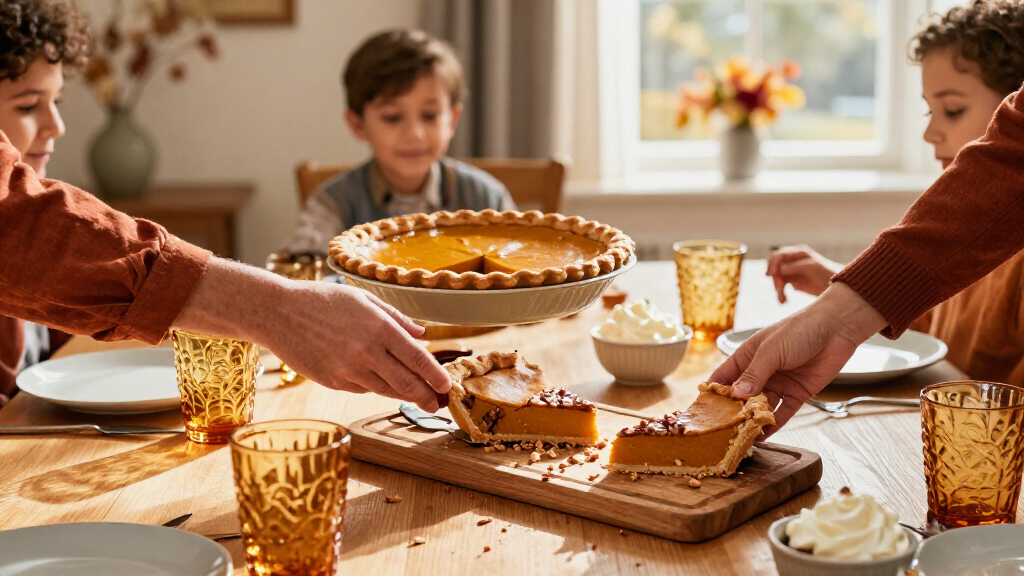
Thanksgiving dessert serving platters work best when the flat area fits the food and leaves room to lift and serve it. Measure the usable surface, not only the platter’s outside diameter; a thick decorative rim can take up space. For a whole pie, choose a platter wider than the pie, with enough edge room to catch crumbs and steady a pie server.
Imagine setting a 9-inch apple pie on a platter that measures 10 inches across. If its wide rim leaves only 8 inches of flat space, the pie may overhang or sit awkwardly. A slightly larger platter with a narrower rim can be more useful, even if the overall measurements look similar on the shelf. That extra usable area also gives the server room to slide under a slice without scraping the crust against the rim.
For cookies and bars, shape makes a difference. Rectangular or oval platters can hold rows of brownies or shortbread without wasting much space, while round platters give pies and cakes a natural frame. This is a practical tradeoff: a round piece may look balanced around a pie, while a long one can fit more neatly along a crowded buffet. Small platters can separate flavors or help a crowded table feel less cluttered. Think of the dessert table like a well-packed suitcase: the right shapes make everything fit without forcing it.
Before the meal, set the platter where you plan to serve and check that there’s space for a knife, pie server, or tongs. A raised rim can contain crumbs and a little sauce, but it should not block guests from sliding a utensil underneath a slice. If a pie bakes in its own dish, it can usually stay there on a decorative platter; moving a delicate pie risks a cracked crust and a dropped slice. Matching the serving surface to the way the dessert will be cut and lifted makes the platter easier to use, not just more attractive.
Products Worth Considering

Cuisinart Compact 2 Lb. Automatic Programmable Bread Maker

Ninja CREAMi Scoop & Swirl 13-in-1 Ice Cream and Soft Serve Maker, NC701

Cuisinart CPG-256 8-in-1 Portable Wood Pellet Grill and Smoker
As an affiliate, we earn on qualifying purchases.
Match platter materials to the weight, look, and care you want
Choose platter material based on what you’ll serve, how you’ll carry it, and how you’ll clean it afterward. Ceramic and porcelain bring a familiar holiday look and can feel sturdy, but their weight can make a full platter harder to carry, and they can chip if bumped against a sink or stacked without padding. Glass lets colorful fruit tarts and layered desserts show through, though a heavy glass piece can also be awkward to pass. Wood and other natural materials add warmth, though they may need gentler cleaning and are less suited to foods or care methods that the maker does not recommend.
Picture a glass cranberry tart catching the light beside a white porcelain pumpkin pie plate. The contrast looks polished without asking you to buy a matching set. Neutral colors can work throughout the year, which makes a versatile piece easier to justify in a small kitchen; autumn tones and patterns make a more seasonal statement but may be harder to pair with everyday dishes. The choice is a tradeoff between a platter that blends into many occasions and one that gives the holiday table a stronger seasonal character.
Melamine is lightweight and less prone to breaking, which can help when you’re carrying desserts outside or setting up a buffet. Still, a melamine serving platter should not be treated like bakeware. Read the manufacturer’s care label before putting any platter in an oven, microwave, or dishwasher. Ceramic and glass pieces do not all handle heat in the same way, and material alone does not promise appliance safety. Checking first can prevent damage to the platter and avoid having to transfer a dessert at the last minute.
If you’re choosing between two pieces, compare how they feel when loaded. A heavy ceramic platter might look lovely on the dining table but become awkward when you carry a whole cake from the kitchen. A lighter piece may be easier to pass around, though it should still feel stable beneath the food. Vintage and handmade platters can add character, but check them for cracks, chips, and food-safe finishes before using them with food. Those checks matter because a piece’s appearance cannot tell you how it will stand up to carrying, washing, or direct food contact.
Set out enough platters without crowding the table
Plan your platter count around the desserts and the space guests have to reach them. One large platter can hold an assortment, saving table space and cleanup, while separate smaller platters keep flavors and serving utensils organized. There is no fixed number that suits every dinner; a compact meal with one pie may need just one piece, while a buffet with pies, cookies, and fruit benefits from clear separate spots. The useful balance is enough separation to prevent awkward reaching, without using so many dishes that guests have nowhere to set a plate.
Try this simple setup before guests arrive:
- List the desserts and note whether each needs a knife, pie server, tongs, or spoon. This reveals where guests need extra working space, especially around a pie that must be cut.
- Match each dessert to a platter with enough flat space and the right shape. A good fit helps food stay stable and makes it easier to take a serving cleanly.
- Set the platters on the table with room between them for serving utensils and plates. That gap reduces spills and lets guests put down one utensil before picking up another.
- Check the guest route so people can reach dessert without leaning across hot drinks or other dishes. A clear route matters most when several guests serve themselves at once.
For example, if your dining table is already full of coffee cups, place cookies on a narrow rectangular platter at the end of the buffet and keep the pie on a stable round one nearby. That small separation can prevent a crowd from forming around a single dish and lets guests choose a cookie without waiting for pie to be cut. Practical serving pieces should make it easier to serve and pass food, not simply fill every open patch of table.
A pedestal platter can add height and free up a little tabletop space, but it needs a stable base and enough clearance for guests to reach the food. The height can help desserts stand out in a full spread, yet it also makes a loaded dish easier to bump or tip. If children will be serving themselves, a low, sturdy platter may be easier to manage. Keep handles accessible, and avoid placing a tall stand where someone could knock it while reaching for a drink.
Arrange desserts so guests can spot a favorite and serve it
Arrange desserts with clear space between them, a bit of height variation, and the right utensil close at hand. Put whole pies where a server can cut and lift slices, and place small cookies or pastries in loose rows. Guests should be able to see what is available without moving one dessert to reach another. That visibility speeds up choices and keeps people from handling food or shifting platters to inspect the spread.
Say you’re serving pecan pie, gingerbread bars, and apple slices. Place the pie on a round platter, bars in two tidy rows on a rectangular piece, and fruit on a smaller dish nearby. The arrangement gives each dessert its own place and makes the table feel intentional. Varying shapes and heights adds visual interest, much like arranging books on a shelf rather than laying every book in one long, tight row. The height should still suit the setting: a low arrangement is easier to reach on a busy table, while a raised piece can make one dessert easier to spot when there is room around it.
Leave a little room around each item. Tightly packed cookies can crumble when someone grabs one, and slices wedged together are hard to lift cleanly. That space may mean fitting fewer pieces on a platter, but it reduces broken desserts and makes serving less awkward. Parchment can help with sticky bars when it suits the dish, while a rimmed platter is useful for a dessert with crumbs or a small amount of sauce. These are simple fixes that can keep a serving table tidy as the evening goes on.
Keep labels or a quick verbal note handy if desserts contain common allergens. Pumpkin pie often contains eggs and milk, pecan pie contains tree nuts, and many cookies contain wheat, eggs, or dairy. Clear information helps guests decide what they can eat without having to guess from appearance. Use separate serving utensils where that helps limit mix-ups, and don’t promise an item is allergen-free unless you know how it was prepared.
Keep desserts safe while the table stays welcoming
Serve desserts on clean platters with clean utensils, and pay attention to ingredients that need temperature control. A dry cookie platter may be fine on the table for a while, but a dessert made with custard, cream, or another perishable filling calls for more care. The safe serving window depends on ingredients and conditions, so follow food-safety guidance for the specific dish and avoid leaving temperature-sensitive food out beyond recommended limits. This distinction helps you plan the display: shelf-stable treats can stay available, while perishable ones may need smaller batches and a place in the refrigerator.
For a busy Thanksgiving meal, you might put out a small batch of cream-filled pastries and keep the rest chilled until guests are ready for seconds. That way, the whole supply doesn’t sit at room temperature while dinner stretches into the evening. Return perishable desserts to the refrigerator promptly and use a fresh, clean platter if the first one has been sitting out or has collected food spills. Smaller batches take a little more attention, but they limit how much food is exposed and help keep the display fresh.
Food safety can be as simple as keeping a serving utensil with its dish instead of letting it travel from one dessert to another. If a guest has an allergy, separate utensils and a little space between platters can reduce accidental contact, though they cannot guarantee safety when desserts were prepared in a shared kitchen. Clear ingredient information helps guests make their own choices. Keeping that limitation in mind makes the arrangement more useful without giving guests a false sense of certainty.
Before setting out a platter, check that it is clean and stable. If you’re carrying a heavy cake on ceramic, hold it with both hands and clear the path first. A beautiful serving setup should make dessert easy to enjoy; it shouldn’t require balancing a full platter beside a hot coffee pot or reaching across a crowded table. A steady surface and an open route matter because they reduce the chance of spills and make serving comfortable for guests.
Protect favorite platters so they last beyond one holiday
Follow the care label and store platters with enough protection to prevent chips and scratches. A large or unusually shaped piece may need its own shelf, while smaller platters can be stacked with cloth or felt between them. Never assume that a decorative ceramic or glass platter is safe for the oven, microwave, or dishwasher just because it looks sturdy. Proper storage and care preserve both the surface and the platter’s usefulness for serving food.
After dessert, scrape crumbs gently and wash the piece using the method its maker recommends. A handmade ceramic platter, for example, may call for handwashing even if a mass-produced porcelain one can go in the dishwasher. Dry it before storage so moisture doesn’t get trapped between stacked pieces. A padded divider can be as simple as a clean tea towel. These small steps take a little extra time, but they help avoid chips, scratches, or damage caused by using the wrong cleaning method.
Think about where the platter will live before you buy it. A wide serving piece that barely fits in your cupboard may become a nuisance, even if it looks perfect at the store. A reusable neutral platter can serve cookies at Thanksgiving, fruit at brunch, and sandwiches at a summer gathering. Versatile pieces earn their shelf space by doing more than one job, while a more specialized platter may be worthwhile if it fits a favorite dessert particularly well.
A platter can also make a thoughtful host gift. Choose a useful size and a design that suits the recipient’s kitchen, then pair it with a serving utensil or a small dessert. If you’re gifting a vintage piece, share any care notes you know. A platter that is easy to use and store will likely see many more holidays than one that is beautiful but impractical, because the recipient can bring it out without worrying about where it goes or how to care for it.
Frequently Asked Questions
What size platter do I need for a Thanksgiving pie?
Choose a platter wider than the pie, with enough flat space around it to lift slices and catch crumbs. Check the usable surface, since a broad decorative rim can make the interior smaller than the platter’s overall measurement suggests.
Can I serve a pie directly on a decorative platter?
Usually, if the platter is clean and made for food contact. If the pie baked in its own dish, leaving it there can help protect a fragile crust; set the dish on a decorative platter if you want a more finished presentation.
Are ceramic or glass platters better?
Neither suits every host. Ceramic and porcelain give a classic, opaque look, while glass shows off colorful or layered desserts. Compare weight, durability, care instructions, and how easily you can carry the loaded platter.
Can a serving platter go in the oven or microwave?
Only when the manufacturer explicitly says it is safe for that appliance. A platter’s material alone does not guarantee it can handle oven or microwave heat, so check its care label before use.
How many platters should I set out?
Plan around your menu and table space. One large platter can hold an assortment, while separate pieces help organize several desserts and keep serving utensils with the right food.
How do I keep dessert allergens clear for guests?
Tell guests which desserts contain common allergens such as tree nuts, eggs, milk, or wheat. Separate utensils can help reduce mix-ups, but they cannot guarantee an allergen-free dessert if the food was prepared in a shared kitchen.
Conclusion
Choose your platter for the dessert it needs to hold, then check that guests can reach it, serve from it, and enjoy it safely. A roomy pie platter, a tidy row of cookie bars, and a clean utensil can do more for a relaxed dessert table than a dozen decorative pieces.
When the last slice is gone, the best platter is the one you can wash, store, and bring back next year—ready for another pie and the warm glow of a Thanksgiving kitchen.