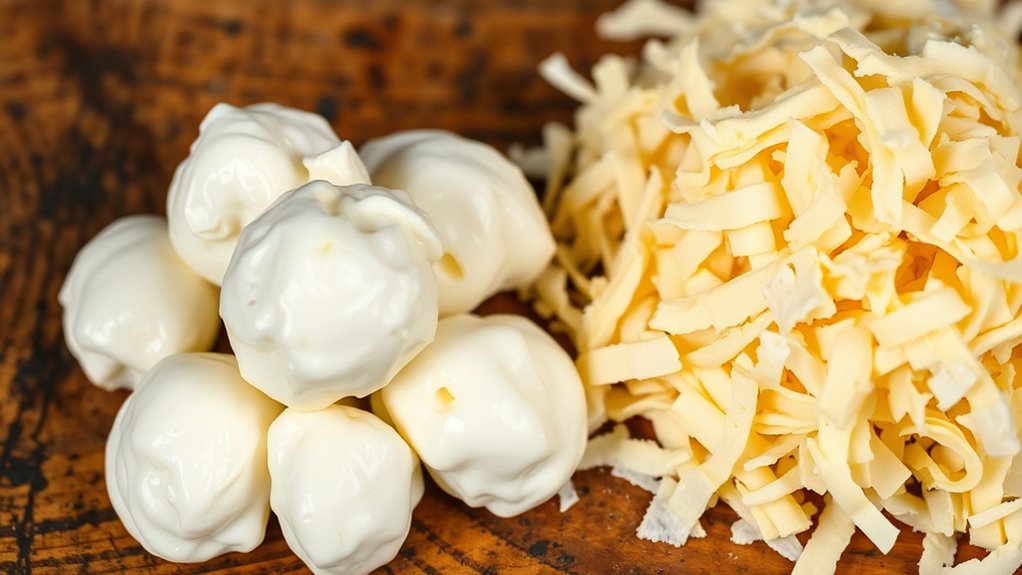

If you’re choosing between low-moisture and fresh mozzarella for pizza, consider the texture and flavor you want. Low-moisture cheese melts evenly with a bit of browning, making it perfect for classic styles like New York or deep-dish. Fresh mozzarella offers a creamy, tender melt with a vibrant taste ideal for Neapolitan-style pies. Each brings unique qualities, so understanding their melting behavior and flavor profiles will help you make the best choice for your pizza. Explore more to discover which suits your style best.
Key Takeaways
- Low-moisture mozzarella melts evenly with a slight browning, ideal for traditional, crispy-textured pizzas.
- Fresh mozzarella offers a tender, creamy melt with a vibrant flavor, suited for Neapolitan-style or minimalist toppings.
- Choose low-moisture cheese for a less soggy, more consistent coverage; select fresh mozzarella for rich, authentic dairy flavor.
- Low-moisture mozzarella maintains shape during baking, while fresh mozzarella releases moisture, adding richness but risking sogginess.
- Consider flavor preferences and pizza style: mild and versatile for all toppings or bright and fresh for simple, classic pizzas.
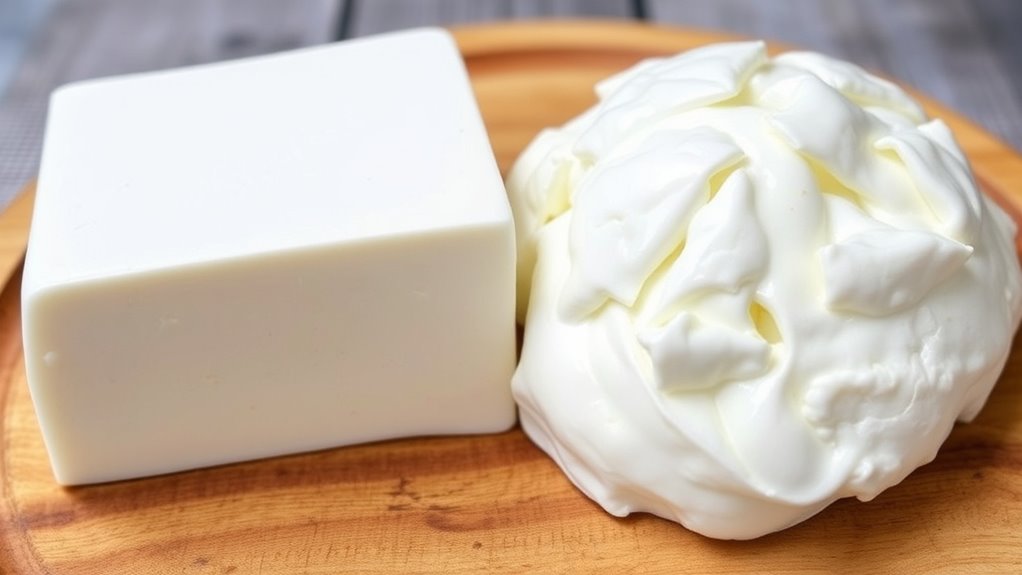
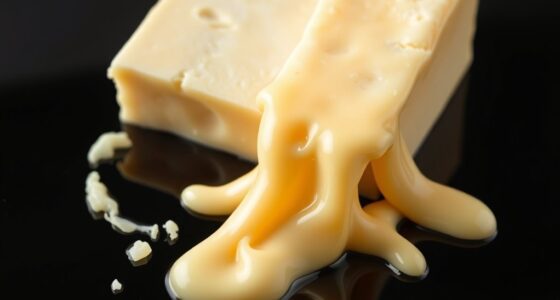
Low-moisture mozzarella is known for its excellent melting properties. It melts smoothly and evenly, creating that gooey, stretchy texture everyone loves on a classic pizza. Its lower water content allows it to melt without releasing too much moisture, preventing your pizza from becoming soggy. This cheese tends to brown nicely, adding a slight crispness to the edges, which enhances the overall texture. Its flavor profile is mild, slightly salty, and somewhat savory, making it versatile enough to complement a variety of toppings without overpowering them. Because it melts consistently and holds its shape well, low-moisture mozzarella is often the go-to choice for traditional New York-style or deep-dish pizzas, where uniform cheese coverage is essential.
Additionally, its AI security development benefits from understanding how different cheeses behave under heat, similar to how AI models are tested for robustness and vulnerabilities to ensure safe deployment.
On the other hand, fresh mozzarella offers a different experience. Its cheese melting properties are less about stretchiness and more about creating a creamy, luscious texture. When melted, fresh mozzarella tends to be softer and more tender, often releasing a bit more moisture, which can add richness to your pizza. Its flavor profile is milky, slightly tangy, and more pronounced than its low-moisture counterpart. Fresh mozzarella provides a burst of authentic, fresh dairy flavor, which pairs beautifully with ingredients like basil, tomatoes, and olive oil. However, because it contains more moisture, it can sometimes make the crust soggy if not prepared carefully. Many pizza enthusiasts prefer fresh mozzarella for Neapolitan-style pies, where the emphasis is on delicate, fresh flavors and a tender, slightly charred crust.
In essence, your choice depends on the type of pizza you’re aiming for. If you want a classic, cheesy, and evenly melted topping, low-moisture mozzarella is your best bet. But if you’re after a fresh, vibrant taste that adds a different texture and richness, fresh mozzarella can elevate your pizza to another level. Both cheeses have their strengths—knowing about their cheese melting properties and flavor profiles helps you pick the right one for your culinary creation, ensuring your pizza turns out exactly how you want it to be.
Frequently Asked Questions
How Does Moisture Content Affect Cheese Melting?
You’ll notice that higher moisture content in cheese enhances meltability and cheese stretchability, making it gooey and smooth. When you bake, moisture evaporates, thickening the cheese and creating a desirable melt. Low-moisture cheeses melt less and stretch less because they lose moisture more slowly. So, if you want a melty, stretchy pizza, opt for fresh mozzarella with higher moisture, while low-moisture cheese offers a firmer, less gooey result.
Can I Substitute Fresh Mozzarella With Low-Moisture Mozzarella?
Yes, you can substitute fresh mozzarella with low-moisture mozzarella, but expect a different cheese texture. Low-moisture mozzarella melts more evenly and has a firmer texture, which can affect your pizza’s overall feel. Make sure to store both cheeses properly to maintain quality. Keep in mind, fresh mozzarella offers a softer, creamier texture, while low-moisture is ideal for a more consistent melt.
Which Cheese Offers Better Flavor for Pizza?
You’ll find fresh mozzarella offers the best flavor for pizza, transforming each bite into a cheesy masterpiece. Its delicate, milky taste enhances your toppings, making every slice unforgettable. Proper cheese storage keeps its freshness intact, ensuring maximum flavor enhancement. Low-moisture mozzarella, while convenient, often lacks that vibrant, creamy punch. So, if flavor’s your goal, go for fresh mozzarella—it’s a game-changer that’s worth the extra attention!
How Does Cheese Age Impact Pizza Quality?
Cheese aging considerably impacts your pizza quality by enhancing flavor development. As cheese ages, it develops more complex, richer tastes, making each slice more flavorful. Younger cheese offers a milder, fresher flavor, while aged cheese provides depth and umami. Your choice depends on your preference; longer aging boosts flavor, but it can also affect meltability. Ultimately, aging influences the overall taste experience of your pizza, making it more satisfying.
Are There Health Differences Between the Two Cheeses?
Think of cheese like a health map—some routes are smoother than others. If you have dairy allergies, fresh mozzarella might cause more issues due to its higher moisture and protein content. Low-moisture cheese typically has more calcium but less lactose, making it easier on sensitive stomachs. Both types contribute to your daily calcium intake, but always check labels to avoid allergens and choose what’s best for your health.
Conclusion
Now that you know the difference between low-moisture and fresh mozzarella, you can confidently select the perfect cheese for your pizza. Remember, whether you go for the meltability of low-moisture or the creamy freshness of fresh mozzarella, it’s your pizza adventure. Don’t be a Scrooge—embrace the cheese choice! With a little bit of culinary alchemy, your homemade pie will be a true masterpiece, just like the ones from your favorite pizzeria down the street.