
Fermentation changes your pizza dough by creating complex flavors through yeast consuming sugars and producing byproducts like organic acids, esters, and alcohols. These compounds add depth and layers of taste, with longer fermentation developing a subtle tang and richer profile. Enzymes also break down gluten and carbs, improving texture and digestibility. Temperature and environment control are key to revealing these flavors. Stick around to discover how these processes truly transform your dough into extraordinary pizza crusts.

Get baking supplies delivered free with Prime
- Fast, free delivery on millions of items
- Prime Video, Amazon Music and more included
- Member-only deals all year
Key Takeaways
- Fermentation produces flavor-enhancing byproducts like organic acids, esters, and alcohols that deepen dough flavor.
- It develops subtle tangs and layered taste profiles through complex chemical reactions.
- Extended fermentation increases flavor complexity and enhances dough aroma and overall taste.
- Enzymatic activity during fermentation alters gluten and carbohydrate breakdown, affecting flavor perception.
- Proper fermentation creates a harmonious, well-rounded flavor foundation for the pizza crust.
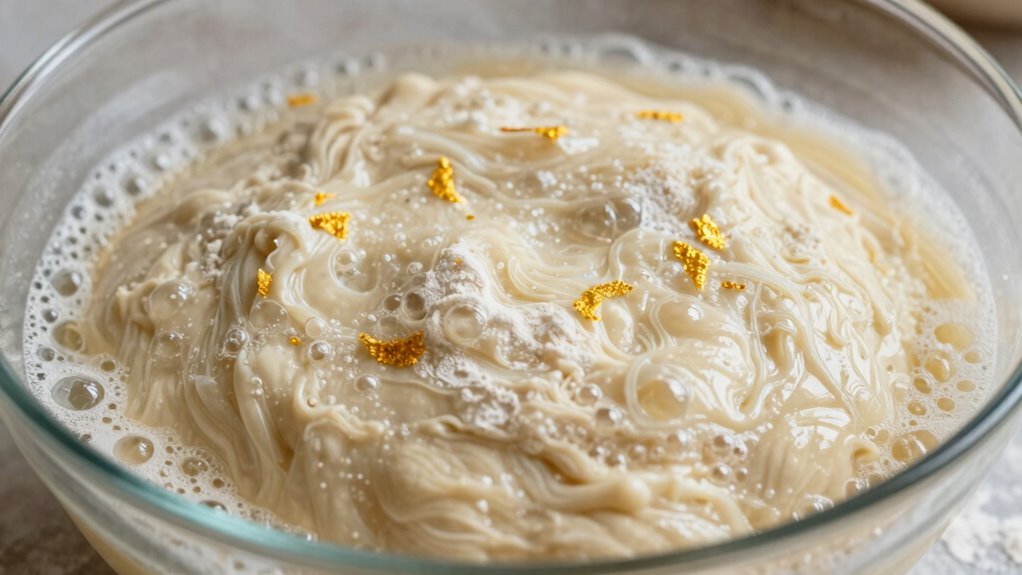
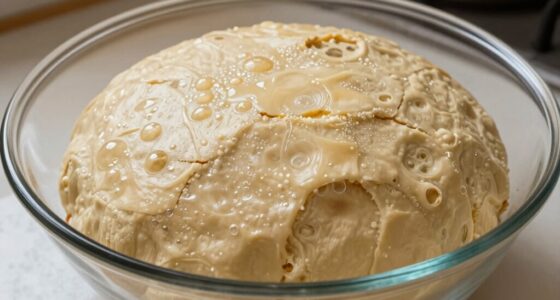
Fermentation plays an essential role in developing the rich, complex flavors found in good pizza dough. When you allow the dough to ferment, you’re giving yeast activity the space to work its magic. This process isn’t just about making the dough rise; it’s about revealing a depth of flavor that transforms a simple crust into something memorable. As yeast consumes the sugars in the flour, it produces carbon dioxide and alcohol, which cause the dough to expand and develop a light, airy texture. But more importantly, this activity triggers a series of chemical reactions that enhance flavor development, giving your pizza a distinctive taste profile that’s hard to achieve otherwise.
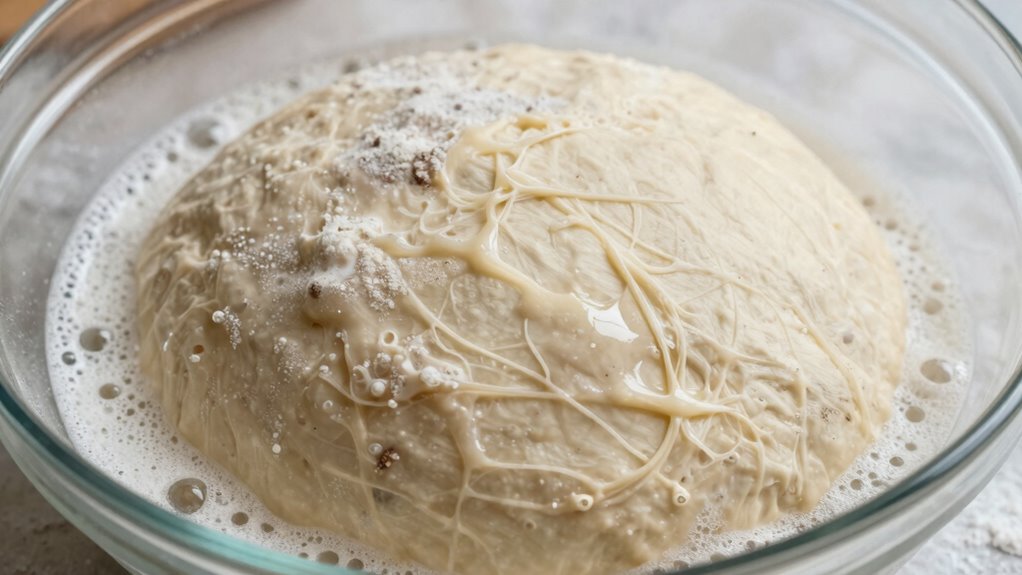
During fermentation, yeast metabolizes the sugars in the flour, breaking them down into various byproducts that influence flavor. These byproducts include organic acids, esters, and alcohols, all of which contribute to the dough’s complexity. The longer you let the dough ferment, the more these compounds develop, deepening the flavor and adding subtle tangs and nuanced notes. This is why slow fermentation—sometimes spanning 24 hours or more—can produce a more layered, sophisticated taste compared to quick-rise methods. You’ll notice that well-fermented dough has a slight tang, a sign that the yeast has had enough time to work thoroughly and produce those desirable flavor compounds.
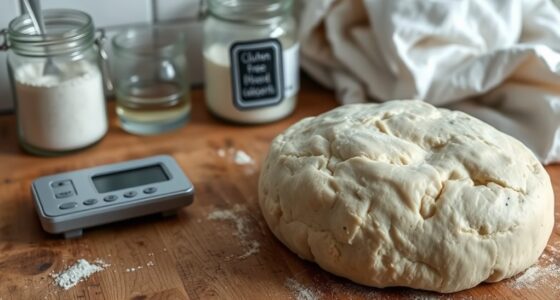
The fermentation process also affects the gluten structure, which impacts not just texture but flavor perception as well. As enzymes break down proteins and carbohydrates, they influence the dough’s elasticity and chewiness, making each bite more enjoyable. This enzymatic activity also helps in breaking down complex carbohydrates, making the dough easier to digest and subtly altering its taste profile. Proper fermentation also involves temperature control, which is crucial for developing optimal flavor and texture—different temperatures can accelerate or slow down fermentation and influence the final profile. Additionally, maintaining the right environment during fermentation can help ensure consistent results and flavor development. When you give your dough sufficient fermentation time, these changes allow the flavors to meld and mature, resulting in a more harmonious and well-rounded crust. Additionally, understanding the fermentation process can help bakers optimize flavor and texture through precise timing and environment control. It’s also beneficial to note that temperature impacts yeast activity directly, making it an essential factor in achieving the desired flavor profile.
In essence, fermentation is the secret behind a flavorful pizza crust. It’s not just about rising; it’s about enriching the dough with a spectrum of subtle, layered flavors that can’t be achieved through quick methods. The yeast activity during fermentation is the key driver of these transformations, turning simple ingredients into a complex, delicious foundation for your pizza. When you understand and control fermentation, you open a world of flavor possibilities that elevate your homemade pizza from good to extraordinary.
pizza dough fermentation starter kit
As an affiliate, we earn on qualifying purchases.
As an affiliate, we earn on qualifying purchases.
Frequently Asked Questions
How Does Fermentation Affect Pizza Dough Texture?
Fermentation improves your pizza dough’s texture by enhancing dough elasticity and air retention. As the yeast ferments, it produces gases that stretch the gluten network, making the dough more elastic and easier to shape. This process also traps air bubbles, resulting in a fluffier, lighter crust. Over time, fermentation creates a more tender crumb and a better overall mouthfeel, giving your pizza a professional, artisanal quality.
Can Fermentation Improve Pizza Dough Shelf Life?
Yes, fermentation can improve your pizza dough’s shelf life by naturally preserving it. Longer fermentation times slow down microbial growth, acting as a preservation technique. If you want to extend freshness, you can adjust the fermentation speed—slowing it down with refrigeration helps preserve the dough for several days. Proper fermentation not only enhances flavor but also boosts the dough’s longevity, making it easier to prepare ahead of time.
What Are the Best Fermentation Times for Flavor?
The best fermentation times for flavor depend on your desired taste profile. Typically, a longer fermentation allows yeast activity to slow, producing more complex fermentation byproducts that enhance flavor. For a richer taste, aim for 24 to 72 hours, allowing the yeast to develop and deepen the dough’s flavor. Shorter fermentations, around 8-12 hours, yield a milder taste, while extended fermentations create a more nuanced, aromatic crust.
Does Fermentation Influence Pizza Dough Gluten Development?
Think of fermentation as a dance between yeast activity and dough elasticity. As you ferment, yeast activity gently works the gluten network, strengthening its structure. This process enhances dough elasticity, making it more responsive and easier to stretch without tearing. So yes, fermentation considerably influences gluten development, resulting in a dough that’s both resilient and airy, giving you that perfect, pizzeria-quality crust every time.
How Do Different Fermentation Methods Alter Flavor Profiles?
Different fermentation methods greatly influence your pizza dough’s flavor profile. Longer, slower fermentations develop more flavor complexity, adding depth and subtle tangs, while quicker methods produce a fresher, milder taste. You’ll notice fermentation aroma varies too, with prolonged fermentation releasing richer, more nuanced scents. By adjusting fermentation time and temperature, you control whether your dough offers bold, complex flavors or lighter, fresher notes, enhancing your pizza’s overall taste experience.
As an affiliate, we earn on qualifying purchases.
Conclusion
As you watch your dough rise, it’s no coincidence that fermentation transforms its flavor, creating that perfect balance of tang and complexity. It’s a quiet miracle happening right under your nose, turning simple ingredients into something extraordinary. When you finally taste that freshly baked pizza, you’ll realize all those hours of patience were worth it—because the magic of fermentation isn’t just in the process, but in the unforgettable flavor journey it gifts you.
dough fermentation temperature control
As an affiliate, we earn on qualifying purchases.
As an affiliate, we earn on qualifying purchases.
long fermentation pizza dough ingredients
As an affiliate, we earn on qualifying purchases.
As an affiliate, we earn on qualifying purchases.
Halloween Picks
halloween
As an affiliate, we earn on qualifying purchases.