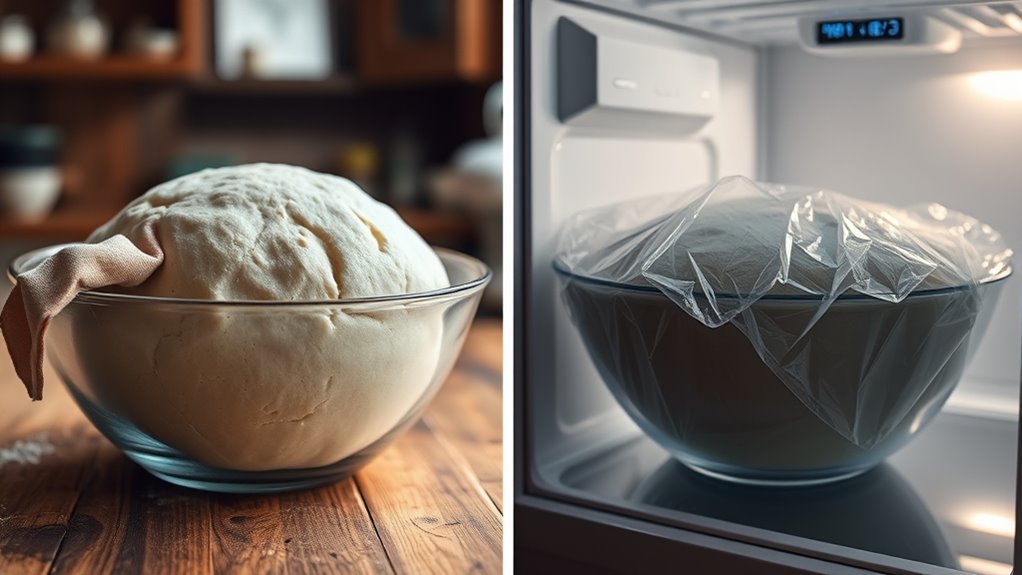

In warm climates, refrigeration is usually best for storing dough because it slows fermentation, preventing overproofing and spoilage. However, if you need quick dough, room temperature can work but requires careful monitoring to avoid overproofing and gluten weakening. Keep the dough covered and in a cool spot if possible. To learn more about ideal methods to keep your dough fresh and flavorful in hot weather, continue exploring these storage tips.
Key Takeaways
- Refrigeration slows fermentation, preventing overproofing and maintaining dough quality in warm climates.
- Room temperature accelerates yeast activity, increasing spoilage risk and overproofing if not closely monitored.
- Shorter proofing times are necessary at room temperature to avoid dough weakening or over-expansion.
- Using refrigeration is ideal for long storage, while room temperature suits quick fermentation or immediate baking.
- Proper covering and temperature control in both methods help preserve dough’s texture and prevent drying or spoilage.
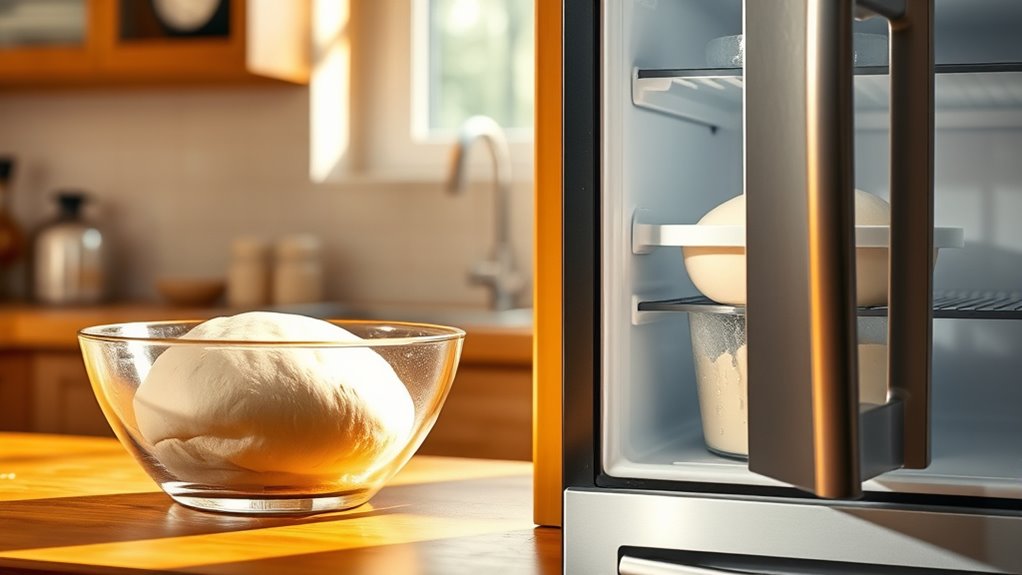
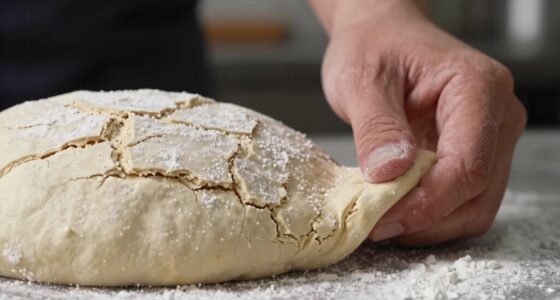
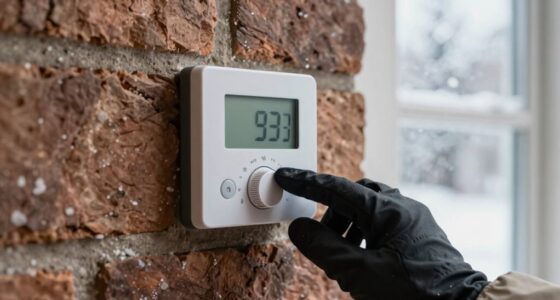
Storing dough in warm climates can be challenging because heat accelerates fermentation and increases the risk of spoilage. When temperatures rise, the fermentation rate speeds up, which can cause your dough to overproof or develop off-flavors if left out too long. At the same time, higher temperatures can hinder gluten development, resulting in a less elastic and less structured dough. Managing these factors requires careful attention to timing and storage methods to guarantee your dough maintains its quality and safety. Additionally, using insulation techniques can help regulate temperature and protect your dough from rapid temperature fluctuations. If you choose to store your dough at room temperature in warm weather, you’ll need to be vigilant about how quickly it ferments. The elevated heat causes yeast to produce carbon dioxide more rapidly, meaning your dough may double in size sooner than expected. This accelerated fermentation can be beneficial if you’re short on time, but it also increases the risk of overproofing, which weakens the dough’s structure. To minimize these issues, consider shortening the proofing time or moving the dough to a cooler spot within your home, such as a basement or a shaded corner. Keep in mind that in warmer conditions, gluten development might stall or become uneven because the proteins don’t form as effectively when fermentation happens too quickly. To help gluten develop properly, gentle kneading or stretch-and-fold techniques during fermentation can encourage better elasticity, ensuring your final bread has good chew and structure. Refrigeration offers a more controlled environment, slowing down the fermentation rate considerably. When you refrigerate dough, it continues to ferment slowly, allowing gluten networks to strengthen gradually, which can lead to improved texture and flavor. This slow fermentation process not only prevents overproofing but also enhances gluten development, making your dough easier to shape and resulting in a finer crumb. If you’re storing dough overnight or longer, refrigeration is usually the best choice, especially in warm climates. Just remember to cover the dough tightly with plastic wrap or a damp cloth to prevent it from drying out or forming a skin. Before baking, give the dough time to come to room temperature, which helps reactivate yeast activity and promotes even gluten relaxation.
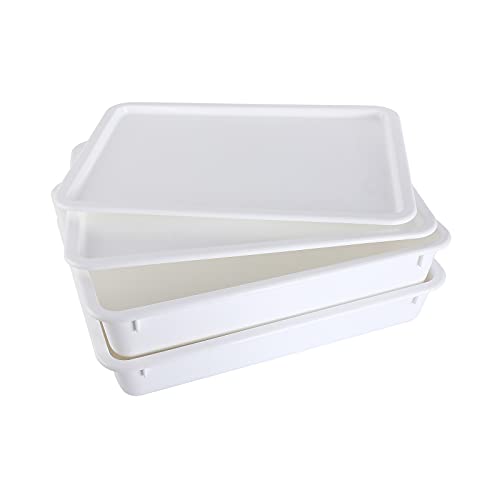
Pizza Dough Proofing Box, Commercial Grade 17.25" x 13", 2 Trays and Covers
- Size: 17.25 x 13 x 3.54 inches
- Includes: 2 trays and covers
- Commercial Grade: Sturdy, stackable design
As an affiliate, we earn on qualifying purchases.
As an affiliate, we earn on qualifying purchases.
Frequently Asked Questions
How Does Humidity Affect Dough Storage in Warm Climates?
Humidity impact markedly affects dough storage in warm climates. High humidity can cause your dough to absorb excess moisture, making it sticky and harder to handle. This can also lead to mold growth if not properly controlled. To manage moisture control, you should store dough in airtight containers or refrigerate it, especially in humid environments. Maintaining proper humidity levels helps preserve dough consistency and prevents spoilage, ensuring better baking results.
Can Freezing Dough Be a Better Option Than Refrigeration?
Freezing dough is often a better option than refrigeration because it offers superior dough preservation. The freezing advantages include slowing down fermentation and preventing spoilage, which keeps your dough fresh for longer periods. When you freeze dough properly, you maintain its quality and ease of use later. Just wrap it tightly to avoid freezer burn, and you’ll enjoy fresh, ready-to-bake dough whenever you need it, especially in warm climates.
What Signs Indicate Dough Has Spoiled Quickly in Warm Weather?
Did you know that dough can ferment twice as fast in warm weather? Signs of spoilage include a sour smell, sticky or slimy texture, and visible mold growth. If your dough develops an off-putting aroma or shows any mold, it’s best to discard it. Rapid fermentation indicates the yeast is overactive, increasing the risk of spoilage. Always check for these signs to make sure your dough stays safe and fresh.
Are There Specific Types of Dough That Store Better at Room Temperature?
Some doughs, like sourdough or those with high yeast activity, store better at room temperature because their fermentation rate remains steady without overproofing. These doughs benefit from warm environments, which keep yeast active and prevent spoilage. Just guarantee you monitor them closely; if fermentation speeds up excessively or signs of spoilage appear, refrigerate or discard to keep your dough fresh and safe.
How Does the Type of Flour Influence Dough Shelf Life in Warm Conditions?
The type of flour particularly influences your dough’s shelf life in warm conditions. High-protein flours like bread flour promote gluten development, creating a sturdy structure that resists spoilage. They also accelerate fermentation, leading to quicker flavor development but shorter shelf life if left at room temperature. Using lower-protein flours slows fermentation, extends freshness, and yields softer dough, making it ideal for warmer climates where controlling fermentation rate is vital.
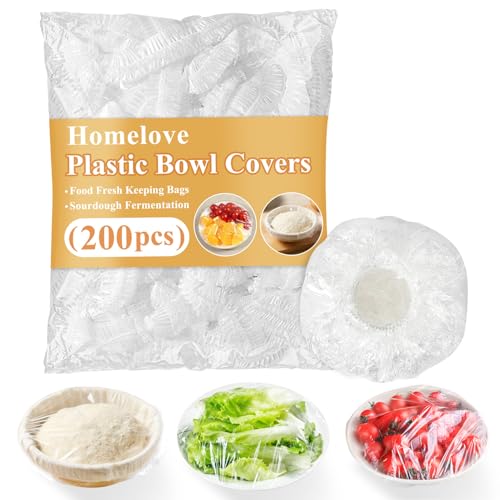
Homelove 200pcs Bowl Covers Bread Proofing – Plastic Wrap for Food Sourdough Bread Baking Rising Elastic Reusable Plate Covers Outdoor Food Fresh Keeping Bags Shower Cap Hair Deep Conditioning
- Material: Food-grade transparent PE plastic
- Durability: Tear-resistant and durable
- Bread Proofing: Keeps dough moist during proofing
As an affiliate, we earn on qualifying purchases.
As an affiliate, we earn on qualifying purchases.
Conclusion
When it comes to storing dough in warm climates, you’ve got to play it smart. Refrigeration slows fermentation and keeps your dough fresh longer, while room temperature might speed things up, risking spoilage. Think of it as a balancing act—you don’t want to bite off more than you can chew. So, choose wisely, keep a close eye on your dough, and remember, sometimes a little extra effort now saves a lot of trouble later.
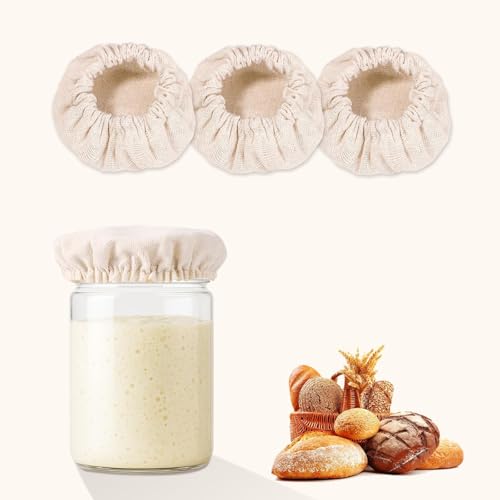
Pure Cotton Sourdough Jar Cover, Pack of 3,Breathable & Reusable Dough Proofing Cloth,Suitable for Jars with 3-4 Inch Mouth Lids
- Material: 100% pure cotton for fermentation
- Versatile Use: Suitable for bread, pickles, yogurt, and more
- Breathable Design: Allows air circulation while keeping contaminants out
As an affiliate, we earn on qualifying purchases.
As an affiliate, we earn on qualifying purchases.

TempPro TempSwift 1 Sec Digital Food Thermometer for Kitchen Cooking
- Fast Readout: 1 second temperature measurement
- High Accuracy: +/-0.9°F precision
- Long Probe: 5.3-inch stainless steel probe
As an affiliate, we earn on qualifying purchases.
As an affiliate, we earn on qualifying purchases.