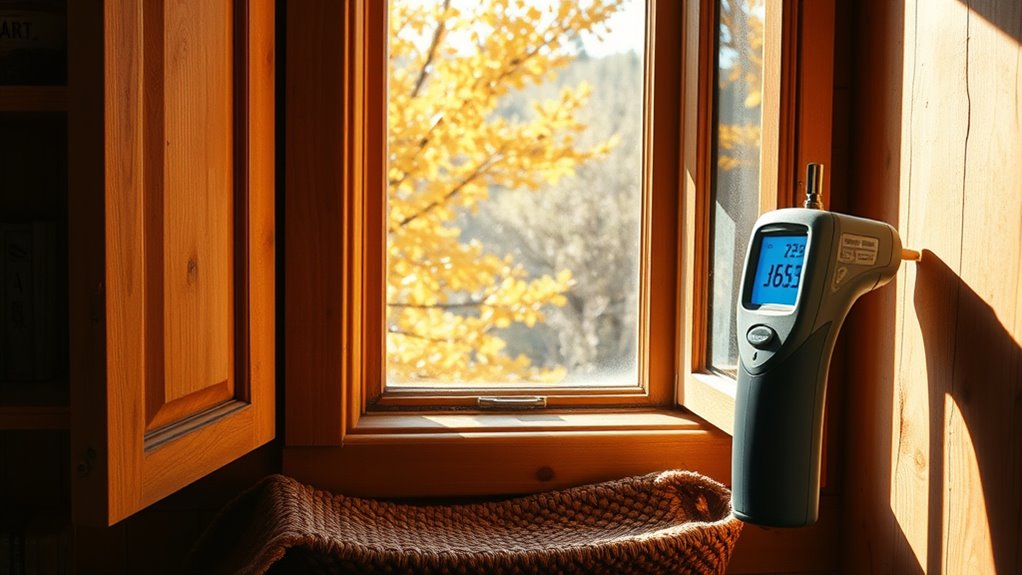

Before tackling wind and heat loss fixes, start with a home energy audit to find drafts, cold spots, and insulation gaps. Check your attic, walls, and crawl spaces for proper insulation. Identify noticeable leaks around windows and doors by feeling for drafts or using a candle to detect air movement. Seal gaps with caulk or weatherstripping to block unwanted airflow. Continuing with these steps helps guarantee efficient, comfortable heating and can save you money.

Get baking supplies delivered free with Prime
- Fast, free delivery on millions of items
- Prime Video, Amazon Music and more included
- Member-only deals all year
Key Takeaways
- Conduct a home energy audit to identify drafts, cold spots, and insulation gaps.
- Assess existing insulation levels in attic, walls, and crawl spaces for effectiveness.
- Inspect windows, doors, and other openings for drafts or leaks indicating heat loss.
- Seal gaps with caulking and install weatherstripping to prevent air leaks.
- Combine sealing with insulation upgrades and appliance efficiency improvements for optimal energy savings.
Conduct a Home Energy Audit
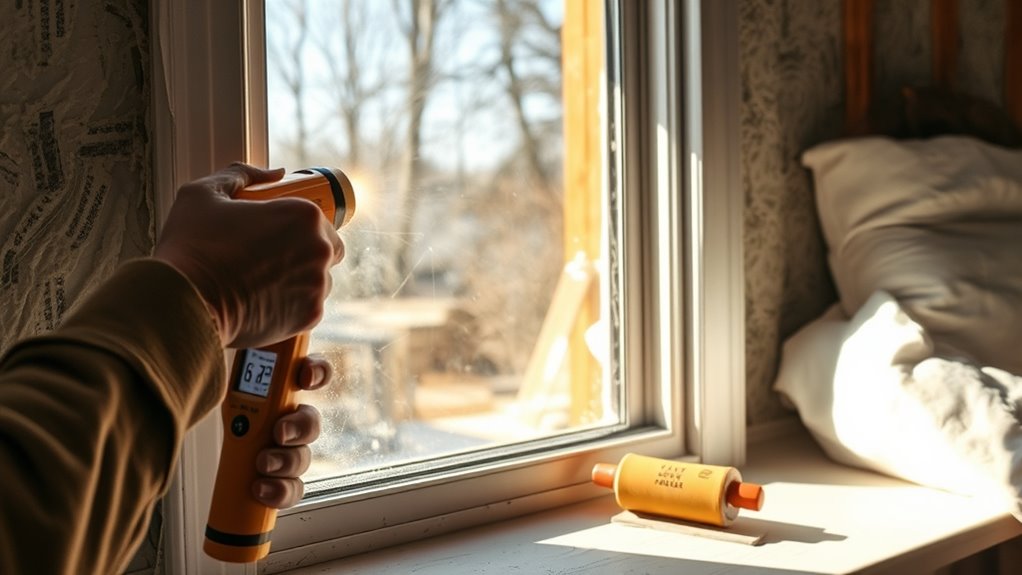
Before you can effectively fix wind and heat loss issues, you need to understand where your home is losing energy. Conducting a home energy audit helps identify problem areas, such as poor insulation or inefficient appliances. During the audit, check your insulation upgrades to see if they’re sufficient in key areas like the attic, walls, and crawl spaces. Improving insulation reduces heat transfer, making your home more energy-efficient. Also, evaluate your appliance efficiency—older or inefficient appliances can waste significant energy. Replacing them with ENERGY STAR-rated models can lower your energy bills and improve overall comfort. This step provides a clear picture of your home’s energy performance, guiding targeted improvements that save you money and enhance your living environment. Additionally, inspecting for signs of heat loss such as drafts or cold spots can help pinpoint specific areas needing attention.
Seal Gaps and Cracks Around Windows and Doors
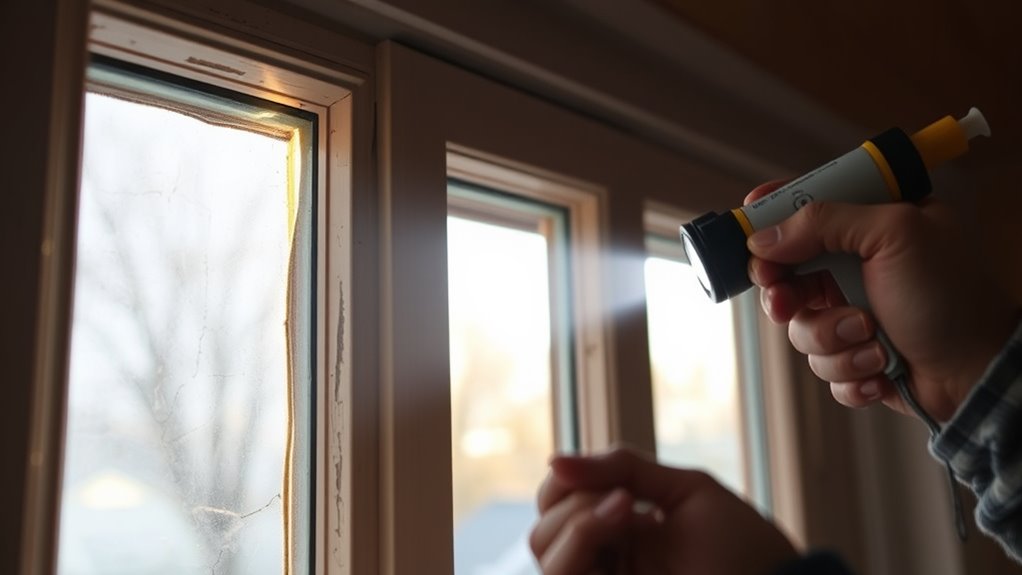
Sealing gaps and cracks around your windows and doors is a quick and effective way to reduce unwanted air leaks. Use caulking strategies to seal gaps along window frames and door jambs, applying weatherproof caulk for a tight seal. For moving parts, weatherstripping tips are essential; choose the right type—foam, rubber, or vinyl—to fit your door or window. Make sure to clean surfaces before applying weatherstripping for better adhesion. Inspect for drafts regularly and replace worn or damaged strips. This simple step not only improves energy efficiency but also enhances comfort by stopping cold drafts and heat loss. Taking these measures now can markedly lower your heating bills and make your home more cozy during colder months.
Frequently Asked Questions
How Often Should I Conduct a Home Energy Audit?
You should conduct a home energy audit every 1 to 3 years to guarantee your insulation improvements and smart home devices are working efficiently. Regular audits help identify areas of heat loss and opportunities for upgrades. If you’ve recently made significant insulation improvements or installed new smart devices, consider scheduling an audit sooner. Staying proactive keeps your home energy-efficient, saving you money and enhancing comfort year-round.
What Tools Are Best for Sealing Gaps Around Windows?
You should use caulking techniques and foam sealants to effectively seal gaps around windows. A caulking gun helps you apply durable, weatherproof caulk precisely in small cracks, while foam sealants are great for larger gaps. Choose low-expansion foam to avoid overfilling, and verify surfaces are clean and dry beforehand. These tools will help you create a tight seal, reducing drafts and heat loss around your windows.
Can Weatherstripping Be Replaced Easily?
Replacing weatherstripping is a straightforward DIY repair, much like swapping out a worn-out shoe for a new one. You can do it yourself with some basic tools, and the process usually takes just a few minutes. However, if you’re uncertain about the quality or fit, a professional assessment can guarantee you get the best seal. With the right approach, you’ll keep your home warmer and energy bills lower.
Are There Eco-Friendly Options for Sealing Leaks?
Yes, you can find eco-friendly options for sealing leaks. Look for sustainable sealing products made from eco-friendly materials like soy-based or plant-based foam, recycled rubber, or biodegradable sealants. These options help reduce environmental impact while effectively sealing gaps. By choosing sustainable sealing solutions, you contribute to a greener home and lower your carbon footprint. Always check product labels to verify they meet eco-friendly standards before applying.
How Do I Identify Hidden Air Leaks in My Home?
You can find hidden air leaks by feeling for drafts around windows, doors, and electrical outlets. Use a candle or incense stick—if the flame flickers, you’ve got a leak. Seal these gaps with duct tape for quick fixes or apply foam sealant for a more permanent solution. Check for leaks in your attic, basement, and behind appliances, ensuring your home stays warm and energy-efficient.
Conclusion
Now that you’ve gone through this checklist, you’re well on your way to saving energy and money. Sealing gaps and conducting an audit might seem like a small step, but it’s as essential as the legendary tools of the ancient smiths. Don’t forget, a little effort now prevents big chills later. So, roll up your sleeves and make these fixes—your home will thank you, and you’ll be cozy as a proper chimney sweep in no time.
Fall Picks
fall essentials
As an affiliate, we earn on qualifying purchases.