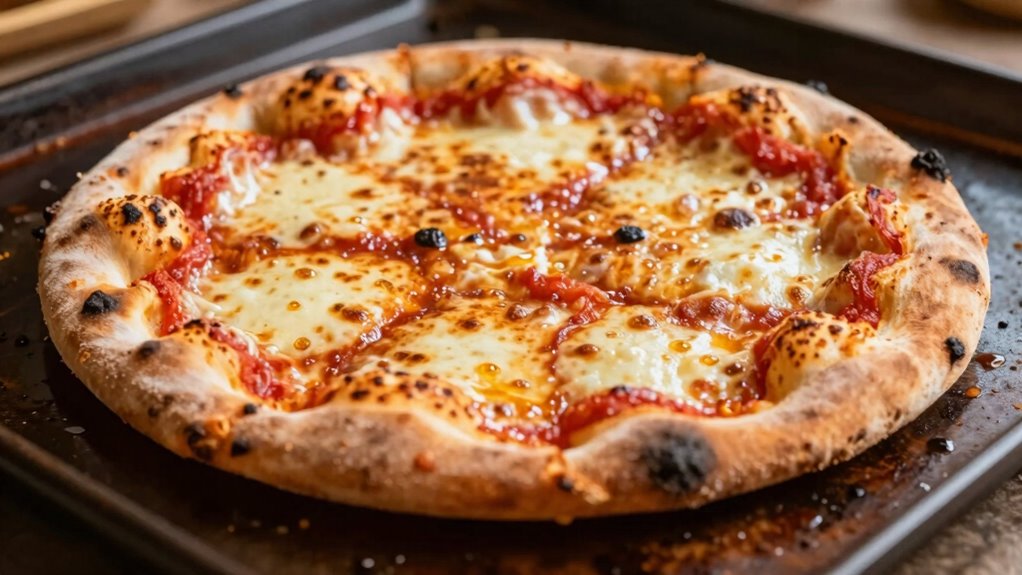
Your pizza likely sticks after looking fine on the peel because of issues with dough hydration or surface prep. If the dough is too wet or sticky due to improper hydration, it won’t slide easily onto the oven. Additionally, if you don’t dust the peel correctly with flour or semolina, it creates sticking points. Insufficient oven preheating can also keep the dough soft and sticky longer. Keep these factors in mind to master the perfect transfer—more tips await.

Get baking supplies delivered free with Prime
- Fast, free delivery on millions of items
- Prime Video, Amazon Music and more included
- Member-only deals all year
Key Takeaways
- Inadequate dough hydration can make the dough sticky and prone to sticking during transfer.
- Insufficient surface dusting or uneven flour application increases the risk of sticking.
- Poor dough resting or underdeveloped gluten reduces elasticity, causing sticking and tearing.
- Using a low oven temperature prevents the crust from firming quickly, leading to sticking.
- Imbalanced hydration and oven heat cause the dough to remain sticky, even if it looked fine initially.
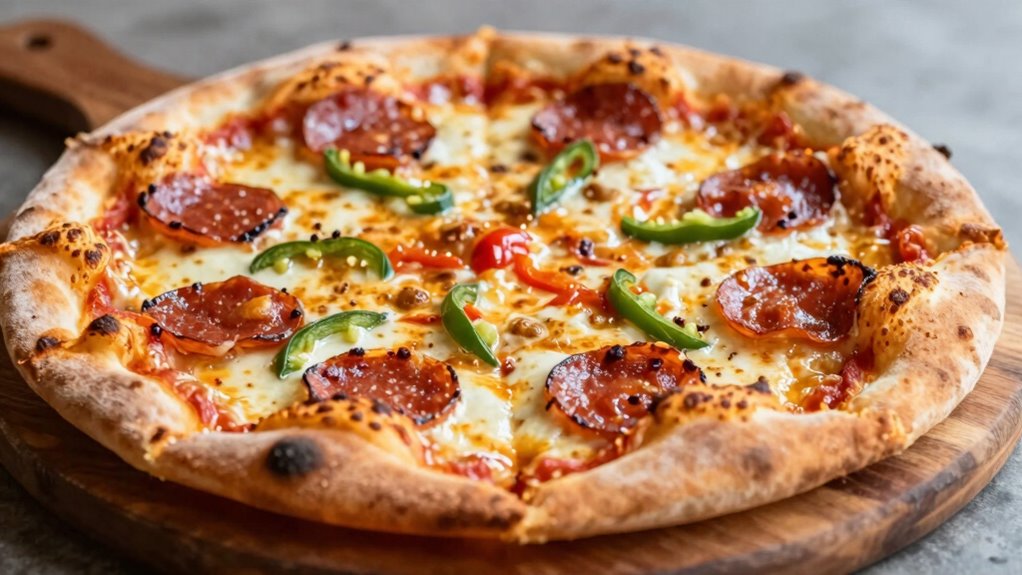
You might have experienced this frustrating moment: your pizza looks perfect on the peel, ready for baking, but once it hits the oven, it sticks or becomes difficult to slide off. It’s a common problem, and the root cause often comes down to a few key factors, especially dough hydration and oven temperature. Understanding how these elements interact can help you prevent sticking and achieve that flawless transfer from peel to oven every time.
First, let’s talk about dough hydration. Hydration refers to the amount of water in your dough relative to the flour. If your dough has too little water, it becomes dense and stiff, making it prone to sticking because it’s less pliable and more likely to adhere to the peel. Conversely, if your dough is too wet, it can become overly sticky, which also causes problems during transfer. Finding the right hydration level—usually around 60-65% for most pizza doughs—ensures your dough is elastic enough to slide smoothly but not so sticky that it clings to everything. Proper hydration improves the dough’s ability to glide onto the baking surface without tearing or sticking, especially if you add a light dusting of flour or semolina on the peel before sliding the pizza in. Additionally, dough elasticity plays a crucial role in how well the pizza transfers without sticking. Using the correct dough consistency also helps in achieving an optimal pizza crust texture that doesn’t stick during the transfer process. Also, allowing the dough to rest properly can help develop gluten development, which enhances elasticity and reduces sticking issues. A well-rested dough is more manageable and less likely to stick as it develops better structure. Incorporating the right amount of hydration in your dough recipe can significantly improve handling and transfer.
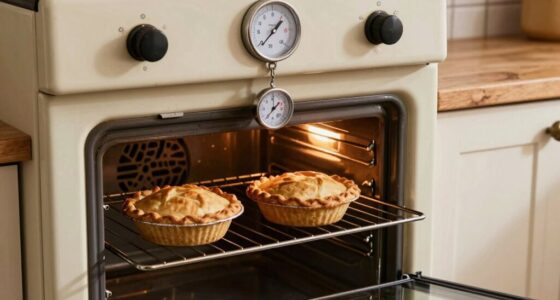
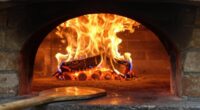
Oven temperature also plays a pivotal role. A hot oven is essential for a crisp crust and quick baking, but if the temperature isn’t high enough, your pizza can stick because the dough doesn’t set quickly enough. Most home ovens should be preheated to at least 500°F (260°C) for authentic results. When the oven is very hot, the dough firms up swiftly once it hits the surface, reducing the chance of sticking. However, if the oven isn’t hot enough or if you place the pizza in too soon after assembling, the dough remains softer and more adhesive. Always preheat your oven thoroughly and give it enough time to reach the desired temperature before baking.
Combining proper dough hydration with an appropriately high oven temperature creates the ideal environment for sliding your pizza onto the baking surface with ease. If your dough is too dry or the oven isn’t hot enough, you’ll notice sticking. But when both are properly balanced, your pizza will glide effortlessly from peel into the oven, yielding a beautifully baked crust without sticking or tearing. Paying close attention to these details transforms a frustrating experience into a simple, predictable step, helping you enjoy perfect homemade pizza every time.
As an affiliate, we earn on qualifying purchases.
Frequently Asked Questions
How Does Dough Hydration Affect Sticking?
Dough hydration directly impacts how much it sticks because higher hydration levels increase dough elasticity, making it stickier and more prone to adhesion. Using the right flour type, like bread flour with higher protein content, helps balance hydration, providing strength without excessive stickiness. If your dough feels too sticky, reduce hydration slightly or adjust flour type. Proper hydration guarantees your dough is manageable, less sticky, and easier to handle on the peel.
Can Oven Temperature Cause Sticking Issues?
Yes, oven temperature can cause sticking issues. If your oven isn’t hot enough, the dough might not firm up quickly, increasing the chance of sticking. Proper dough hydration helps, but if the oven temperature is too low or uneven, it can cause the pizza to stick, especially on a poorly preheated surface. Make sure your oven is fully preheated and your dough has ideal hydration for the best results.
Does Pizza Peel Material Impact Sticking?
Yes, pizza peel material impacts sticking. If you neglect pizza peel maintenance, especially with traditional wooden peels, dough can stick more easily. Using alternative peel materials like metal or non-stick surfaces can reduce sticking, but you still need to prepare the peel properly. Properly flour or cornmeal-coated peels prevent sticking regardless of material. Choosing the right peel and maintaining it well guarantees your pizza slides off smoothly, preventing frustration and ruined pies.
Should I Oil My Pizza Peel Before Use?
Oiling your pizza peel isn’t necessary if you have the right dough consistency, but it can help prevent sticking. If your dough is too sticky, lightly oil the peel or use a peel seasoning like flour or cornmeal to create a barrier. Make certain your dough isn’t overly wet, as this can cause sticking regardless. Proper dough handling combined with peel seasoning ensures easy pizza transfer and less sticking.
How Long Should I Preheat the Oven?
You should preheat your oven for at least 30 minutes to make certain it reaches the ideal temperature, usually around 500°F. A properly preheated oven improves dough elasticity, allowing your pizza to cook evenly and preventing sticking. Make sure your sauce is well distributed to avoid sticking and make certain the crust isn’t soggy. Preheating thoroughly gives you better control, resulting in a crispy crust and perfectly cooked toppings.
As an affiliate, we earn on qualifying purchases.
Conclusion
So, next time your pizza suddenly sticks, remember—it’s not just about the dough or flour. There’s a hidden detail that can catch you off guard, changing everything in an instant. You think you’ve got it all figured out, but that one overlooked factor could be the key to perfect, stick-free pizza every time. Are you ready to uncover what’s really behind those stubborn sticking moments? The answer might surprise you—and change how you make pizza forever.
As an affiliate, we earn on qualifying purchases.
As an affiliate, we earn on qualifying purchases.
Fall Picks
fall essentials
As an affiliate, we earn on qualifying purchases.