
TL;DR
Ice cream maker machines churn and freeze simultaneously, creating smoother textures by controlling air and ice crystal size. Choosing the right type depends on your budget, space, and desired batch frequency. Proper recipe prep and maintenance make homemade ice cream truly irresistible.
Imagine pulling a creamy, homemade scoop out of your freezer whenever you crave it. No more store-bought ice cream with preservatives and artificial flavors. Instead, you get fresh, customized desserts with the flick of a switch.
Ice cream maker machines turn that dream into reality. They combine freezing and churning in one step, creating a smooth, scoopable treat right in your kitchen. But with so many options, how do you pick the best one? And what makes some machines produce better texture than others? That’s what we’ll explore in this guide — so you can confidently choose and master your perfect frozen dessert.
Choose a machine that matches your frequency: compressor for constant use, freezer-bowl for occasional treats.
Pre-chilling your base and components results in smoother, creamier ice cream.
Pay attention to batch size, overrun, and freezing time for the perfect texture.
Support for dairy-free and low-sugar recipes is growing—pick a machine that accommodates your dietary needs.
Regular maintenance and parts replacement extend your machine’s lifespan and improve results.
What Are the Main Types of Ice Cream Makers and Which One Fits You?
Choosing the right machine starts with understanding the main types. Each has its own quirks and benefits, so think about your space, budget and how often you want to make ice cream.
Freezer-bowl machines are the most common for home use. They require freezing a removable bowl overnight, then churning a batch in about 20-30 minutes. They’re affordable, lightweight, and perfect if you make ice cream once a week or less. But they support only one batch at a time before refreezing the bowl.
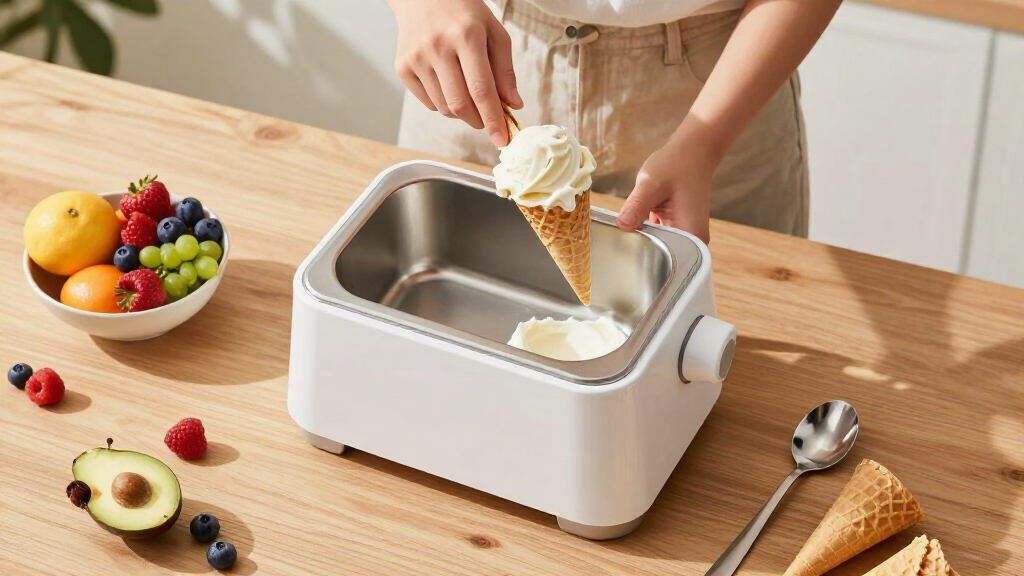
Compressor machines have built-in refrigeration. You pour in your base, hit start, and they do the magic without pre-freezing. These are pricier and bulkier but support back-to-back batches. If you want a machine that can handle frequent treats or large parties, these are your go-to.
Salt-and-ice machines mimic old-fashioned methods. They often use a hand-crank or electric motor to turn a canister cooled with ice and salt. These support large batches but need more prep time and cleanup. Great for traditionalists or outdoor parties.
Pre-frozen-container processors are handy for experimentation. They freeze the mixture first, then process it into a smooth dessert. Ideal for dairy-free, high-protein, or custom recipes. They’re less common but offer great flexibility.
Finally, soft-serve machines dispense creamy, aerated ice cream directly. They’re larger and more complex but perfect if you want restaurant-quality soft serve at home.
best ice cream maker machine with compressor
As an affiliate, we earn on qualifying purchases.
As an affiliate, we earn on qualifying purchases.
How to Pick the Best Ice Cream Maker for Your Kitchen — What Matters Most?
When shopping, focus on a few key features. First, freezing method: compressor models are more convenient, but freezer-bowl models cost less. Next, consider capacity. Most home machines produce about 1–2 quarts per batch, enough for a family or small gathering.
Batch time varies; some churn in 20 minutes, others take up to 60. Faster freezing usually means smaller ice crystals and smoother results. Pay attention to overrun, or how much air your machine incorporates. More air makes lighter ice cream, less results in a denser, creamier texture.
Controls matter too. Timers, temperature displays and preset programs can help, but don’t rely solely on them. Noise can be an issue if your kitchen is open-plan. Check if parts are dishwasher-safe and how easy cleanup is. Consider footprint and weight—compressor models often need ventilation and are heavier.
Lastly, think about recipe flexibility. Some machines excel at gelato, sorbet, low-sugar or dairy-free options. And don’t forget warranty coverage and replacement parts—these can extend your machine’s life and save money later.
Understanding these factors helps you balance convenience, capacity, and versatility. For example, if you often entertain, a compressor model with large capacity and multiple settings might be worth the investment. Conversely, if you prefer occasional treats, a simple freezer-bowl model may suffice, saving you money and space. Recognizing these tradeoffs ensures you choose a machine that aligns with your lifestyle and culinary ambitions.
home ice cream maker with pre-freezing bowl
As an affiliate, we earn on qualifying purchases.
As an affiliate, we earn on qualifying purchases.
What’s New in the World of Home Ice Cream Makers — Latest Trends and Tech
Latest models are packed with smart features. Many now include automatic programs for ice cream, gelato, sorbet, and frozen yogurt, making it easier for beginners. Some even have re-spin functions, allowing you to adjust texture after the initial churning.
Pre-freeze-and-process systems are gaining popularity. You can freeze multiple containers in advance, then process different flavors as you wish. This is perfect for households with diverse tastes or dietary needs.
Home soft-serve options are expanding. Some machines now dispense soft-serve directly, mimicking the creamy, airy texture of commercial machines. They’re larger but add fun to family nights or small parties.
Support for alternative recipes is also evolving. Many brands now include settings for plant-based milks, reduced-sugar formulas, and allergen-friendly bases. Adjustable hardness and pre-cooling features give you more control over texture.
Design-wise, brands are reducing size without sacrificing capacity. Some models have sleek, space-saving profiles, ideal for small kitchens. Customization options, like manually adjusting texture or incorporating add-ins, are becoming standard.
These innovations matter because they expand what home cooks can achieve. Automated programs reduce the learning curve, making it easier to get professional-quality results. Multi-flavor systems and adjustable textures give you greater creative freedom. Space-saving designs help fit these machines into even compact kitchens, encouraging more frequent experimentation. Staying updated on these trends helps you select a machine that grows with your skills and culinary curiosity.
dairy-free ice cream maker machine
As an affiliate, we earn on qualifying purchases.
As an affiliate, we earn on qualifying purchases.
How Your Ingredients and Technique Make or Break Your Frozen Dessert
The secret to great homemade ice cream? It’s all in the ingredients and how you handle them. The base’s composition—sugar, fat, milk solids—directly affects freezing and texture. Sugar lowers the freezing point, making your ice cream softer and creamier. Too little sugar? It’ll turn icy. Too much? It won’t freeze properly.
Temperature is key. Chill your base thoroughly—ideally to below 40°F (4°C)—before churning. Warm mixtures won’t freeze evenly and can result in chunky, icy ice cream. Think of it like a snowball: cold, small, and uniform is best.
During churning, the paddle scrapes the frozen mixture from the sides and folds in air, creating a lighter, fluffier dessert. Faster churning produces smaller ice crystals and a smoother feel. After churning, transfer your ice cream to a shallow, airtight container and freeze it further for a firmer scoop.
Storage matters too. Homemade ice cream lacks stabilizers found in store-bought versions, so it’s more prone to ice crystals and melting quickly. Keep it consistently cold, press a piece of plastic wrap directly on the surface, and avoid temperature swings for best results.
Understanding how ingredients and techniques influence the final texture allows you to make adjustments tailored to your preferences. For example, if your ice cream is too icy, increasing the fat or sugar content can help, as these ingredients interfere with ice crystal formation. Properly chilling and churning at the right speed ensures small, uniform ice crystals, resulting in a smoother, more indulgent treat. Recognizing these tradeoffs enables you to troubleshoot and refine your recipes, turning good results into great ones.
soft serve ice cream machine for home
As an affiliate, we earn on qualifying purchases.
As an affiliate, we earn on qualifying purchases.
Troubleshooting Common Ice Cream Problems — Quick Fixes for Perfect Results
Ever had ice cream that’s too liquid or icy? Here’s what to check. If it stays runny, your mixture might not be cold enough, or the room could be warm. For icy texture, slow freezing or excess water could be culprits. Understanding these causes helps you prevent problems before they start.
Extremely hard ice cream? Usually, the recipe lacked enough sugar or fat, or the freezer was set too cold. Overfull bowls cause overflow and uneven freezing. If fats lump, your mixture might have over-churned or lacked proper emulsification. Recognizing these issues allows you to adjust your recipe or process for better results.
Obstructed paddles? Mix-ins might be too large or warm, or the machine is overfilled. Sinkable or clumping ingredients? Add them near the end of churning. Keep pieces small and cold to prevent sinking or clumping, which can ruin texture and consistency. If your dessert crumbles after processing, it might need a second cycle or a splash of liquid to loosen it up. These quick fixes help you troubleshoot efficiently, saving time and ensuring a perfect scoop every time.
Being aware of these common pitfalls and their solutions empowers you to troubleshoot confidently, turning mishaps into learning opportunities for better ice cream every time.
Should You Invest in an Ice Cream Maker? Pros and Cons for Every Budget
Deciding whether to buy depends on how often you crave frozen treats and your culinary style. A good freezer-bowl machine costs as little as $50 and can churn about 1 quart per batch, perfect for occasional use. Compressor models start around $300 and support continuous batches, ideal for frequent treats or larger families.
Pros of owning a machine include full control over ingredients, no preservatives, and endless flavor combos. Plus, you can experiment with dairy-free, low-sugar, or high-protein recipes. But they require space, cleaning, and initial investment.
On the flip side, occasional makers may prefer store-bought or a simple freezer-bowl model. They’re cheaper and lighter but limit your batch size and frequency. Commercial-grade freezers are for shops, not homes, costing thousands and demanding professional skills.
Balance your needs, kitchen space, and budget. If you love experimenting and want fresh, healthy desserts, a good home machine pays off over time. Recognize that investing in a quality machine often means considering long-term value and how it fits into your lifestyle, rather than just initial cost. This way, you can enjoy consistent, high-quality results and avoid the frustration of subpar equipment.
Frequently Asked Questions
Is an ice cream maker worth buying?
If you make frozen treats often, want control over ingredients, or enjoy experimenting, an ice cream maker is a smart investment. For occasional use, a simple freezer-bowl model may be enough and more budget-friendly.
Does a compressor machine make better ice cream than a freezer-bowl model?
Compressor machines are more convenient and support continuous batches, making them ideal for frequent use. Freezer-bowl models produce excellent results when the bowl is properly frozen and used carefully, often at lower cost.
How long does it take to make homemade ice cream?
Churning typically takes 20–60 minutes depending on the machine and recipe. However, you’ll usually need to freeze or harden the ice cream for a few hours afterward for a scoopable texture.
Can I make dairy-free ice cream in these machines?
Absolutely. Coconut, almond, soy, and cashew bases work well, especially when recipes are tailored for those ingredients. Just watch for differences in fat and water content, and adjust accordingly.
What’s the best way to add mix-ins like nuts or chocolate chips?
Add them during the last few minutes of churning. Keep pieces small and cold to prevent sinking or clumping. Large or sticky mix-ins can interfere with the paddle and texture.
Conclusion
Your homemade ice cream dreams are within reach—just pick the right machine and master the basics. With a little prep and patience, you can craft desserts that rival any shop or parlor.
Now, every scoop is a celebration. So, why settle for store-bought when your next batch could be the best you’ve ever had? Grab your ingredients, hit start, and enjoy the sweet reward of your own frozen masterpiece.