
Fast heat in a pizza oven delivers a quick burst of high temperature, giving you that crispy crust and smoky flavor, but it can be hard to control. Stable heat, on the other hand, remains consistent over time, ensuring your pizza cooks evenly every time. Knowing which type you need depends on your baking style and flavor goals. To find out how each impacts your pizza results, keep exploring the differences.

Get baking supplies delivered free with Prime
- Fast, free delivery on millions of items
- Prime Video, Amazon Music and more included
- Member-only deals all year
Key Takeaways
- Fast heat, typically from wood-fired ovens, provides quick temperature spikes for crust development and smoky flavor.
- Stable heat, common in gas ovens, maintains consistent temperatures for predictable, even baking.
- Wood-fired ovens’ rapid heat changes can cause temperature fluctuations, impacting baking uniformity.
- Gas ovens’ insulation and heat retention features help sustain steady, reliable heat levels.
- The choice between fast and stable heat affects flavor, crust quality, and baking consistency.
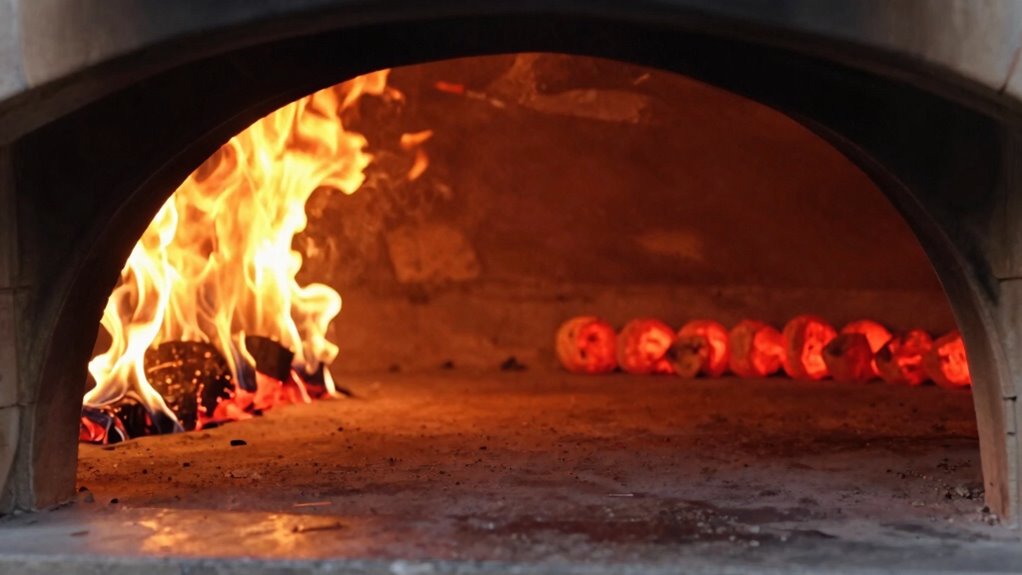
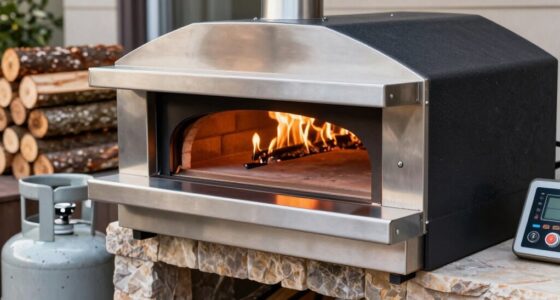
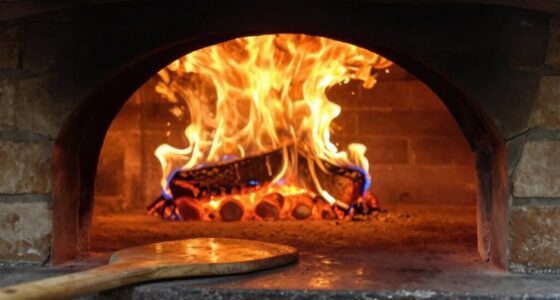
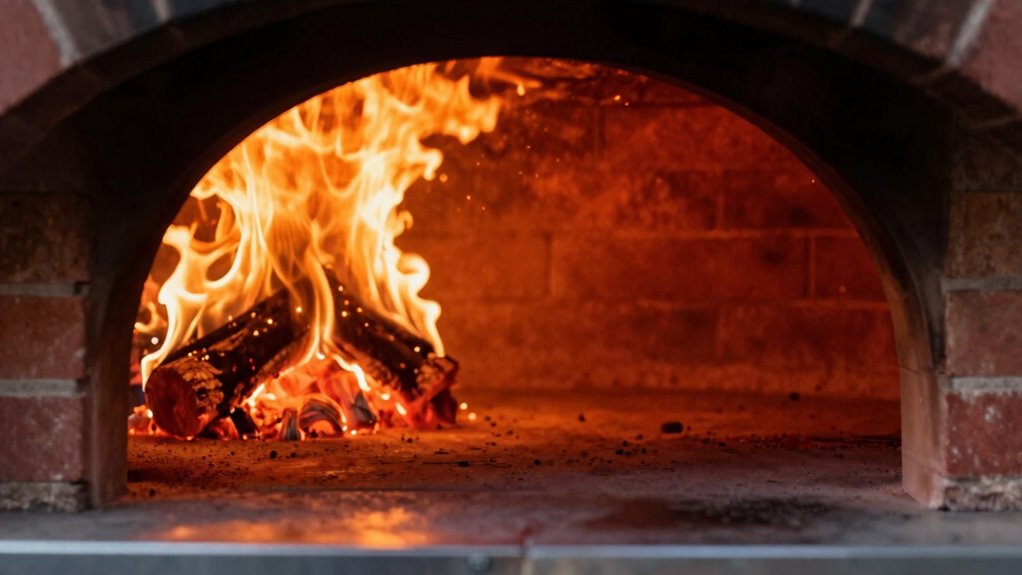
When it comes to making perfect pizza, understanding the difference between fast heat and stable heat in your oven is essential. The type of heat your oven produces can dramatically influence how your pizza turns out. If you’re choosing between a wood-fired and a gas-powered oven, you’ll notice distinct differences in how they generate and maintain heat. Wood-fired ovens tend to reach high temperatures quickly, giving you that initial burst of heat needed to cook the crust fast and impart a smoky flavor. However, they often struggle with maintaining a consistent temperature over time because of the uneven heat distribution caused by the burning wood and fluctuating fuel supply. Additionally, heat distribution plays a crucial role in ensuring your pizza cooks evenly from crust to topping.
Understanding fast versus stable heat is key to perfect pizza, whether using wood-fired for flavor or gas for consistency.
Gas-powered ovens, on the other hand, are generally designed for stable, steady heat. They may not heat up as rapidly as wood-fired options initially, but once at temperature, they usually maintain it more reliably. This is because gas ovens typically incorporate better insulation and heat retention features, such as ceramic bricks or firebricks lining the interior, which help trap heat inside. Good insulation minimizes heat loss when you open the door or adjust the flame, allowing you to keep a consistent temperature without constantly adding fuel or fussing with the settings.
If you prioritize quick heating and a traditional wood-fired flavor, you’ll appreciate the high heat spike of a wood-fired oven. Still, you need to accept that temperature fluctuations can occur, especially if the oven isn’t well-insulated. Conversely, if you want a more predictable baking environment suited for baking multiple pizzas or precise cooking, a gas-powered oven with robust insulation and superior heat retention will serve you better. These ovens stay at a stable temperature longer, giving you more control over the cooking process.
Ultimately, your choice depends on what kind of pizza experience you’re after. Wood-fired ovens give you that authentic, fiery flavor with a quick heat punch but require more attention to maintain consistent temperatures. Gas ovens excel at providing stable heat, thanks to their insulation and heat retention capabilities, making them ideal for those who want reliable results with less fuss. Either way, knowing how each oven type produces and sustains heat helps you optimize your pizza-making process and achieve restaurant-quality results at home.
As an affiliate, we earn on qualifying purchases.
Frequently Asked Questions
How Does Fast Heat Affect Pizza Crust Texture?
Fast heat can make your pizza crust crispier and more evenly cooked because it quickly reaches high temperatures. However, if your oven isn’t well-insulated, temperature fluctuations might occur, leading to inconsistent crust texture. You might find the crust becomes too charred or undercooked if the heat isn’t stable. Proper oven insulation helps maintain steady heat, ensuring your crust stays just right—crispy on the outside and tender inside.
Can Stable Heat Prevent Burning During Long Baking Sessions?
Yes, stable heat can prevent burning during long baking sessions because it guarantees temperature consistency and even heat distribution. When your oven maintains a steady temperature, there’s less risk of hot spots that cause burning. This consistent environment allows you to cook your pizza evenly without overexposing it to high heat, giving you better control throughout the process and ensuring a perfectly cooked, non-burnt crust every time.
Which Oven Type Is More Energy-Efficient?
Think of stable heat as a steady drumbeat—more energy-efficient because it maintains consistent temperature with less effort. You’ll find that stable heat ovens often have lower energy consumption, making them more cost-efficient over time. Fast heat ovens, like a sprinter, use energy quickly but may burn through more power during reheating or adjustments. For long-term savings and consistent results, stable heat ovens are your best bet.
How Quickly Can a Pizza Be Cooked in Each Heat Type?
In a fast heat oven, you’ll typically cook a pizza in about 90 seconds to 2 minutes because its insulation and rapid heat buildup deliver intense, uneven heat quickly. Conversely, stable heat ovens take around 3 to 5 minutes, thanks to better heat distribution and consistent temperature maintenance. Your choice impacts cooking speed, with fast heat ovens ideal for quick, high-temperature cooking, and stable heat ovens better for even, prolonged baking.
Are There Specific Pizza Styles Better Suited for Fast or Stable Heat?
You find that thin-crust, Neapolitan, and quick-cooking styles benefit from fast heat, emphasizing rapid cooking and delicate ingredient handling. Conversely, thicker crusts like pan or deep-dish pizzas thrive with stable heat, which allows for even baking and thorough ingredient cooking. Your pizza dough and ingredient selection influence this choice—light, airy doughs excel with fast heat, while hearty, dense doughs prefer the steadiness of stable heat for ideal results.
As an affiliate, we earn on qualifying purchases.
Conclusion
Understanding the difference between fast heat and stable heat helps you choose the right pizza oven for your needs. Fast heat is great for quick preheating, but stable heat guarantees consistent cooking results. Did you know that 78% of professional pizzerias prefer ovens with stable heat for perfect crusts? By selecting the right heat type, you’ll enjoy perfectly cooked pizzas every time. So, consider what’s more important for your style—speed or consistency—and elevate your pizza game.
As an affiliate, we earn on qualifying purchases.
As an affiliate, we earn on qualifying purchases.
Fall Picks
fall essentials
As an affiliate, we earn on qualifying purchases.