To know if your dough is ready for pizza night, check if it has doubled in size and appears airy and light on top. Gently press your finger into the surface; if it springs back slowly with a slight indent, it’s perfect. The dough should smell slightly yeasty or sweet, not sour, and feel elastic and soft. Paying attention to temperature and timing helps too—if you want more tips, there’s lots more to discover.

Get baking supplies delivered free — and shop member deals
- Fast, free delivery on millions of items
- Access to Prime Big Deal Days deals on October 6–7
- Prime Video, Amazon Music and more included
Key Takeaways
- The dough doubles in size and appears airy and light on the surface.
- Gently press with a finger; the indentation slowly bounces back.
- The dough smells yeasty or slightly sweet, without sour or off odors.
- It feels slightly elastic and not overly sticky or dense.
- The timing aligns with room temperature and fermentation duration, avoiding overproofing.
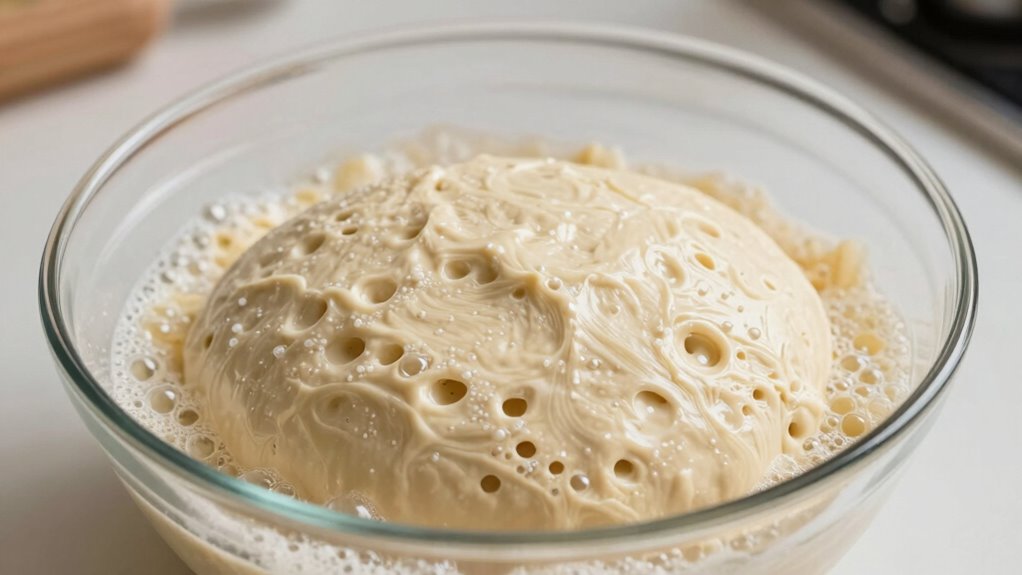
Fermentation is a crucial step in making perfect pizza dough, and knowing when it’s ready can make all the difference in your final crust. The key lies in understanding fermentation timing and how it affects the dough texture. When you’ve kneaded your dough and it’s had its initial rise, the next step is to determine whether it’s fermented enough for baking. There are a few clear signs to watch for.
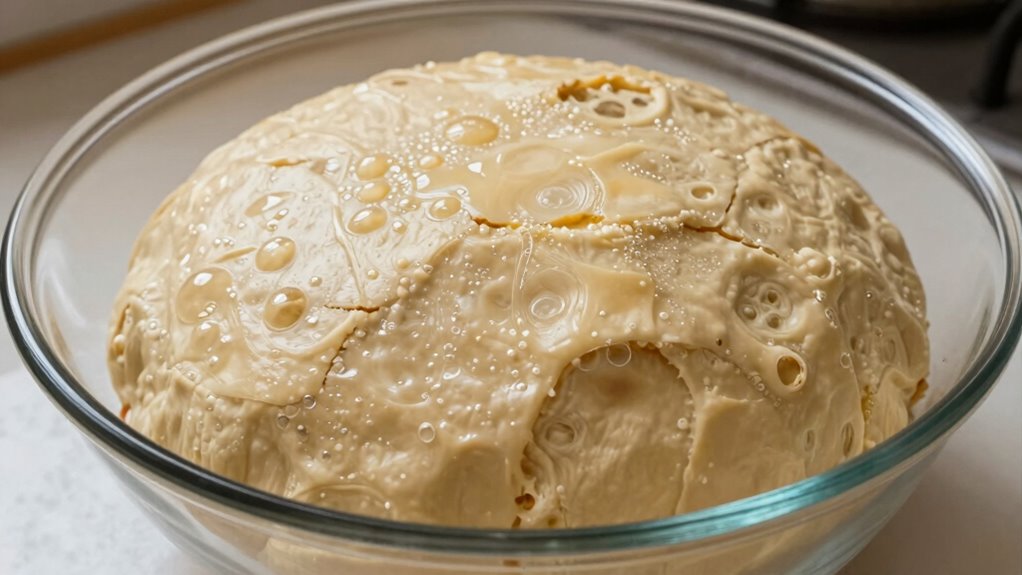
First, pay attention to the dough’s size. Proper fermentation causes the dough to double in volume, so if it has roughly doubled, it’s likely close to ready. However, don’t rely solely on size; look at the dough’s surface and feel. The dough should feel airy and light, with a slightly elastic quality. If it feels dense or stiff, it might need more time. Conversely, if it’s overly sticky or has collapsed, it may be overfermented. The dough’s texture during this phase is a reliable indicator of fermentation status. Additionally, understanding the fermentation process can help you better control the timing and avoid over- or under-proofing.
Check if the dough has doubled in size and feels airy, light, and slightly elastic for perfect fermentation.
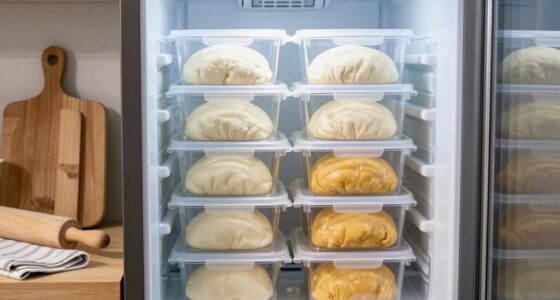
Another way to check is by performing the poke test. Gently press your finger into the dough’s surface. If the indentation slowly springs back and leaves a slight mark, it’s in the ideal fermentation window. If it quickly bounces back, it might need more time; if it remains indented, it might be overfermented. This tactile feedback helps you gauge whether the dough has developed enough gluten structure, which is essential for a good crust. Additionally, temperature plays a role in fermentation timing, too. Warmer environments accelerate fermentation, so your dough may be ready sooner. Conversely, cooler temperatures slow down the process, requiring longer fermentation. Adjust your timing based on the room’s temperature and the dough’s appearance. Keep in mind that the dough should not be left to overferment, as this can result in a sour taste and a weak gluten network, which affects the dough’s texture and handling. Proper storage conditions are also vital to maintaining optimal fermentation, especially if you’re fermenting in the fridge overnight.
Understanding the gluten structure and how it develops during fermentation is essential for achieving a perfect crust. Using a fermentation timer can also help you keep track of the dough’s progress more precisely. In addition, being aware of the impact of temperature on fermentation can help you better predict the dough’s readiness, especially when working in different environments. Finally, trust your senses. A properly fermented dough will smell slightly yeasty or sweet, not sour or off. The aroma, combined with the dough’s look and feel, gives you a complete picture of its readiness. By paying close attention to fermentation timing and dough texture, you’ll improve your pizza-making skills and ensure your crust turns out perfectly every time.
pizza dough fermentation thermometer
As an affiliate, we earn on qualifying purchases.
As an affiliate, we earn on qualifying purchases.
Frequently Asked Questions
Can I Rush the Fermentation Process?
You can’t truly rush fermentation, but you can slightly speed it up by increasing yeast activity. To do this safely, warm the dough in a draft-free area and maybe add a little extra yeast. Keep in mind, this shortens fermentation timing and might affect flavor and texture. Rushing it too much could result in less airy, less flavorful dough, so try to plan ahead when possible.
How Does Dough Temperature Affect Fermentation?
Dough temperature is like a race car’s engine—hotter speeds up fermentation, cooler slows it down. When dough’s warm, yeast activity increases, making it rise faster, especially with proper dough hydration. If it’s too cold, fermentation stalls, and if it’s too hot, yeast can overactivate or die. Keeping an ideal temperature guarantees consistent fermentation, giving your pizza the perfect texture and flavor every time.
What Are Signs of Over-Fermented Dough?
If your dough shows over-proofing signs, it often feels overly sticky or slack, and may have a sour smell. You’ll notice dough collapse, where it deflates and loses its structure, indicating it’s been left too long. When you poke it gently, it might not spring back, which is another sign of over-fermentation. These clues tell you it’s time to avoid using the dough for pizza, as it won’t bake well.
Can I Refrigerate Dough During Fermentation?
You can refrigerate dough during fermentation, and it actually slows down the process, giving you more control. Studies show that cold fermentation enhances flavor development. For proper dough storage, cover it tightly and place it in the fridge. This extends fermentation timing, allowing you to prepare ahead. Just remember, the dough will continue to ferment slowly, so adjust your timing accordingly for perfect pizza crusts.
How Does Different Flour Types Impact Fermentation?
Different flour types impact fermentation by influencing gluten development and starch breakdown. High-protein flours, like bread or bread flour, promote stronger gluten networks, resulting in a chewier, more elastic dough. Whole wheat or rye flours contain more enzymes that break down starches, speeding up fermentation and adding richer flavors. You’ll notice these differences in dough texture, rise, and flavor, helping you tailor your pizza crust to your preferred taste and consistency.
As an affiliate, we earn on qualifying purchases.
Conclusion
Now that you know the signs of proper fermentation, you’re all set to make a perfect pizza dough. Remember, patience is key—rushing it can affect the texture and flavor. So next time you’re excited to start baking, ask yourself: isn’t waiting just a little longer worth that delicious, airy crust? With these tips, your pizza night will always turn out just right. Happy baking!
As an affiliate, we earn on qualifying purchases.
As an affiliate, we earn on qualifying purchases.
Fall Picks
fall essentials
As an affiliate, we earn on qualifying purchases.