If your dough has overproofed, gently deflate it to release excess gas and reshape it by folding it over itself a few times, which helps rebuild the gluten network. Then, retar the dough by placing it in the refrigerator for 30 minutes to a few hours, slowing fermentation and preventing collapse. Once ready, bring it back to room temperature for a final rise before baking. Keep following these steps to improve your dough’s final texture and structure.

Get baking supplies delivered free with Prime
- Fast, free delivery on millions of items
- Prime Video, Amazon Music and more included
- Member-only deals all year
Key Takeaways
- Gently deflate overproofed dough to release excess gas without damaging the gluten structure.
- Fold the dough multiple times to reshape and rebuild elasticity.
- Place the dough in the refrigerator to retard fermentation and halt overproofing.
- Allow the dough to warm gradually at room temperature before baking for better oven spring.
- Use retarding to improve flavor, control fermentation, and prevent weak, airy final textures.
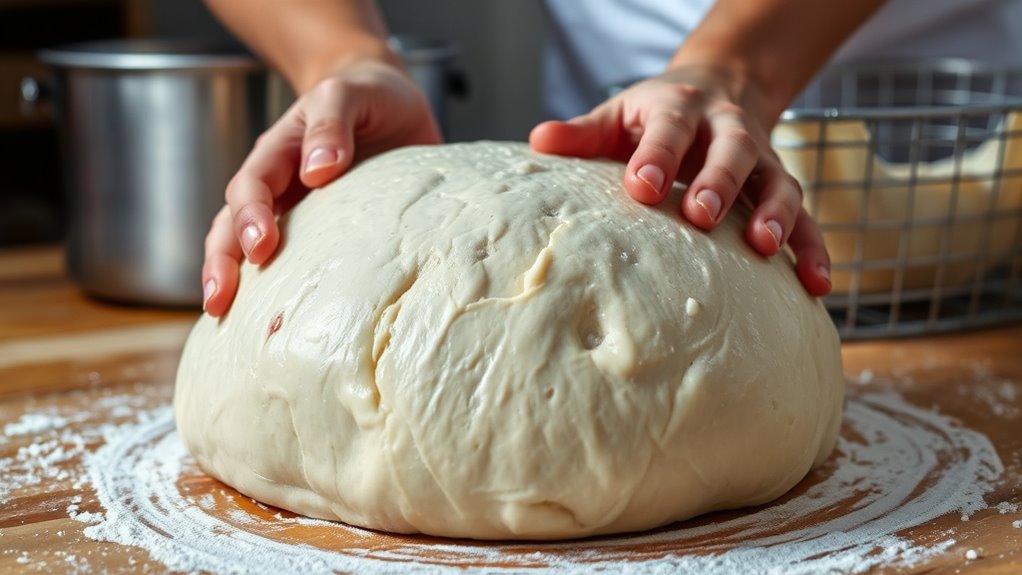
Have you ever accidentally overproofed your dough and wondered what went wrong? It’s a common mistake, especially when you lose track of time or get distracted. Overproofing happens when fermentation control slips, causing the dough to rise beyond its ideal point. This results in a dough that’s overly airy, with large, irregular bubbles and a weak gluten structure. When this occurs, the dough becomes difficult to handle and may not produce the desired texture in your final baked product. The good news is, even if you’ve gone too far, you can often salvage it through careful dough re-shaping and retarding.
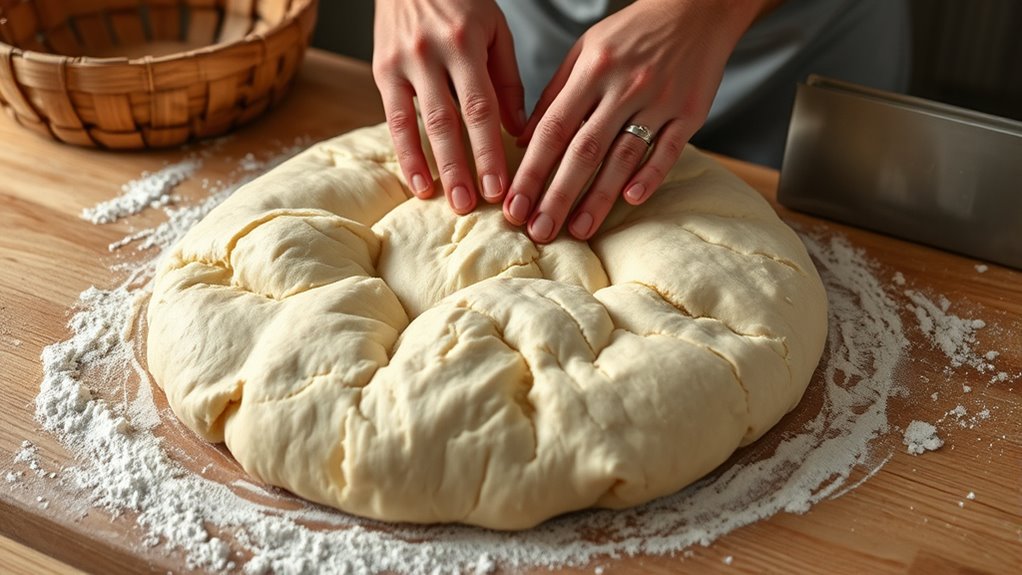
The key to fixing overproofed dough lies in understanding fermentation control. Once the dough has overproofed, its gluten network is compromised, and the yeast activity has gone into overdrive. To address this, you need to gently deflate the dough to remove excess gas and redistribute the yeast. This process, known as dough re-shaping, allows you to manually adjust the dough’s structure. Gently punch down the dough, then fold it over itself a few times to help rebuild some of the gluten framework. This step restores some of the dough’s elasticity, making it easier to work with and preventing it from collapsing during baking. Be careful not to overwork it; you want to preserve the dough’s structure, not break it down further.
After reshaping, retarding the dough can be an effective way to slow down fermentation and regain control over the rising process. You do this by placing the dough in the refrigerator, typically for 30 minutes to several hours, depending on how overproofed it is. Retarding the dough halts yeast activity temporarily, allowing you to pause and assess the dough’s progress. This step not only prevents further overproofing but also enhances flavor through slow fermentation. When you’re ready to bake, take the dough out of the fridge and allow it to come to room temperature. This gradual warming helps reactivate yeast activity more evenly, giving your dough a second chance to rise properly without collapsing or becoming overly airy.
As an affiliate, we earn on qualifying purchases.
Frequently Asked Questions
Can Overproofed Dough Be Salvaged Without Discarding It?
Yes, you can salvage overproofed dough through dough restructuring and flavor enhancement. Gently punch it down to redistribute the yeast and reshape it into its desired form. Then, let it rest briefly to regain some elasticity. This process helps prevent a dense texture, improves flavor, and allows you to still bake a tasty loaf. Just be patient and tweak your technique to get the best results.
How Does Overproofing Affect the Flavor of Baked Goods?
Overproofing affects your baked goods’ flavor by intensifying fermentation flavor, which can make them taste overly sour or yeasty. When yeast activity runs too long, it produces more acids and alcohols, altering the intended taste. You might notice a tangy or off-putting flavor, which can overpower other ingredients. To avoid this, keep an eye on proofing times and dough appearance to maintain a balanced, delicious flavor profile.
What Are the Signs That Dough Is Overproofed?
Dough’s distress displays in distinct signs. You’ll notice decreased dough elasticity, making it feel overly slack and floppy. Plus, a strong fermentation smell signals overproofing, indicating excessive yeast activity. The dough may also collapse or lose its shape easily when handled. These signs warn you that your dough has gone too far, and it’s time to reshape or retard it to regain the right texture and rise.
Is It Possible to Prevent Overproofing During Baking?
Yes, you can prevent overproofing by practicing proofing control and fermentation management. Keep an eye on dough’s rise, and don’t let it go too long—use the poke test to check for proper fermentation. Adjust proofing times based on room temperature, and refrigerate if needed to slow fermentation. These steps help you maintain perfect dough consistency and avoid overproofing during baking.
How Does Retarding Slow Down the Overproofing Process Effectively?
Think of retarding fermentation as placing your dough into a pause button, slowing its growth like a gentle night’s sleep. When you retarder dough, it’s like holding back time, giving you control to reshape it without losing structure. This slows down overproofing, allowing you to reshape the dough carefully and then continue proofing later, ensuring perfect texture and flavor development without rushing the process.
As an affiliate, we earn on qualifying purchases.
Conclusion
Think of overproofed dough like a balloon that’s been blown up too much—it’s lost its bounce. But with a little reshaping and retarding, you can breathe new life into it, restoring its structure and flavor. Don’t give up on your dough just yet; with patience and care, you can turn a deflated mess into a beautiful loaf. Remember, even overproofed dough can rise again—like a phoenix, it can be reborn.
As an affiliate, we earn on qualifying purchases.
bread proofing and retarding container
As an affiliate, we earn on qualifying purchases.
As an affiliate, we earn on qualifying purchases.
Evergreen bestsellers Picks
bestsellers
As an affiliate, we earn on qualifying purchases.