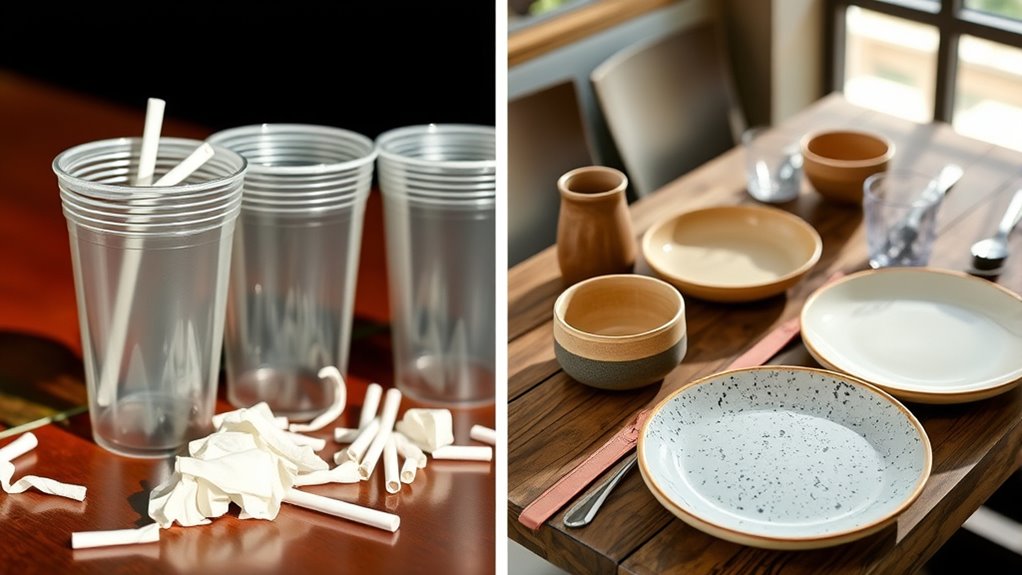

Choosing between disposable and reusable serving ware depends on your eco priorities. Reusables like glass, ceramic, or stainless steel cost more upfront but last longer, reducing waste over time. Disposables, especially biodegradable ones, are convenient but may still contribute to waste if not composted properly. Biodegradable options offer an eco-friendlier alternative to plastic disposables. To make the best choice for the environment and your budget, consider the long-term impacts and options available. Keep exploring to find out more.
Key Takeaways
- Reusable ware reduces waste and environmental impact over time, making it more eco-friendly for frequent use.
- Biodegradable disposables decompose faster and are a better eco-friendly option than traditional plastics.
- Reusables have higher upfront costs but lower long-term expenses compared to disposable options.
- Disposable ware offers convenience, especially for one-time events, but can generate significant environmental waste if not biodegradable.
- Choosing eco-friendly options depends on balancing environmental benefits, budget, and event frequency.
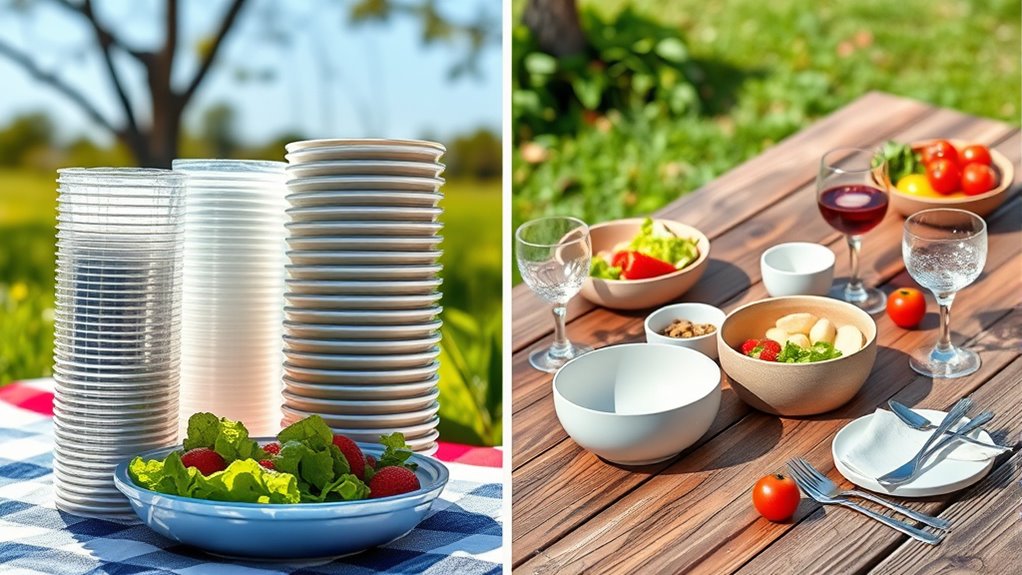
When choosing serving ware, you often face a decision between disposable and reusable options. This choice can profoundly impact your environmental footprint, especially when considering biodegradable options. Reusable ware, like glass, ceramic, or stainless steel, is designed for multiple uses, reducing waste over time. On the other hand, disposable serving ware, such as plastic or paper plates, often seems more convenient but tends to generate more waste, especially if not biodegradable. That’s why it’s essential to compare the environmental benefits of each, starting with biodegradable options. Biodegradable disposables are crafted from materials like cornstarch, sugarcane, or bamboo, which break down naturally within a short period. If you’re leaning towards disposables, opting for biodegradable options can lessen your impact on landfills and reduce pollution. These products often decompose in a few months, unlike traditional plastics that linger for hundreds of years. Still, even biodegradable disposables require proper disposal—composting is ideal, but if they end up in regular trash, they may not decompose as efficiently. Hence, investing in biodegradable disposables is a more eco-friendly choice, but you should also weigh other factors like cost. Additionally, understanding the environmental impact of different materials can help you make more sustainable decisions.
Speaking of cost comparison, reusable serving ware generally costs more upfront but can save you money in the long run. You’ll pay a higher initial price for quality items, but since they’re durable and designed to last, you won’t need to replace them frequently. Plus, many establishments find that reusables reduce the ongoing expense of purchasing single-use items, especially during frequent events or large gatherings. Conversely, disposable ware appears cheaper initially, making it tempting for casual or one-time use. However, over time, the costs add up, especially if you’re purchasing large quantities regularly. If you choose biodegradable disposables, they tend to be more expensive than standard plastics but still less costly than reusables in the short term. Ultimately, your decision hinges on balancing your budget with your environmental values. If minimizing waste and supporting sustainability are priorities, investing in reusable serving ware might be worth the higher upfront cost. Alternatively, if convenience and lower initial expenses are more important, biodegradable disposables are a better eco-friendly compromise than traditional plastics. Whichever route you take, understanding the differences in environmental impact and costs helps you make more informed, responsible choices suited to your needs.

Libbey Tempo Glass Dinnerware Set, Sleek Square Clear Glass Plates and Bowls Set of 12, Dishwasher Safe Dinnerware for Parties or Everyday Use
Square Glass Dinnerware Set: Make your dining space look good with this glass dishes dinnerware set – this…
As an affiliate, we earn on qualifying purchases.
As an affiliate, we earn on qualifying purchases.
Frequently Asked Questions
How Do Disposable and Reusable Serving Ware Impact Food Safety?
Disposable and reusable serving ware both impact food safety by influencing health risks and contamination prevention. Disposable options reduce contamination risks since they’re used once and discarded, minimizing bacteria transfer. Reusable ware requires thorough cleaning to prevent cross-contamination, but if not properly sanitized, it poses health risks. You need to prioritize proper washing and sanitizing practices to guarantee food safety, regardless of the type of serving ware you choose.
Are There Any Cost Differences Over Time Between Disposable and Reusable Options?
While disposable ware may seem cheaper upfront, over time, reusable options often save you money. A thorough cost analysis reveals that reusables, despite initial investments and maintenance, lower expenses in the long run. The savings comparison shows less frequent purchasing and waste disposal costs. So, you’ll find that choosing reusables benefits your budget and the environment, making them a smarter, more sustainable choice over time.
What Are the Best Practices for Cleaning Reusable Serving Ware?
You should follow proper cleaning techniques and sanitization protocols to keep reusable serving ware safe. Wash items thoroughly with hot water and detergent, ensuring all food residues are removed. Use a sanitizer or disinfectant approved for food contact surfaces, and let the ware air dry or use a clean towel. Regularly inspect for cracks or damage, replacing items as needed to maintain hygiene and prevent contamination.
How Do Disposal Methods Affect the Environmental Footprint?
Disposal methods considerably impact your environmental footprint by influencing waste management efficiency and carbon emissions. When you choose proper recycling or composting, you reduce landfill waste and lower greenhouse gases. Improper disposal, like littering or burning waste, increases pollution and carbon emissions. By prioritizing eco-friendly disposal options, you help minimize environmental harm, promote sustainable waste management, and support the fight against climate change, making your choices more impactful.
Can Reusable Serving Ware Be Used for All Event Types and Sizes?
Yes, reusable serving ware can suit all event types and sizes. For small gatherings, you might prefer lighter, easy-to-clean materials like plastic or bamboo. Large events may require durable, high-capacity options such as glass or metal. The variety of materials available guarantees you can select appropriate, eco-friendly options that match your event scale, making reusable ware versatile and practical for any occasion while reducing environmental impact.
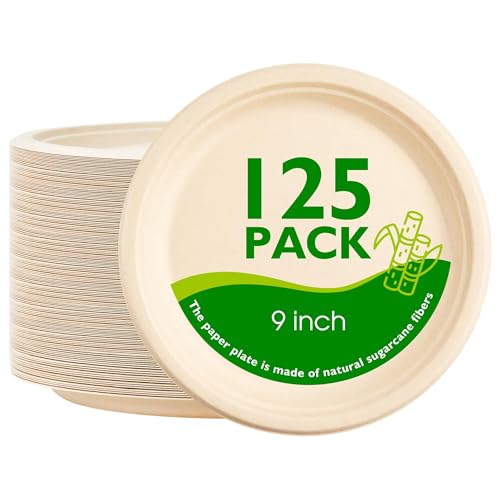
PACKINNO 9 Inch Compostable Paper Plates 125 Pack, Disposable Heavy Duty Plates, Biodegradable Round Unbleached Brown Plates Made from Natural Sugarcane Fibers, for Party, Camping, Picnic
ECO-CONSCIOUS CHOICE FOR EVERY MEAL: These 9 inch paper plates blend convenience with sustainability! Made from 100% sugarcane…
As an affiliate, we earn on qualifying purchases.
As an affiliate, we earn on qualifying purchases.
Conclusion
Choosing reusable serving ware can make a real difference. Imagine hosting a family picnic where you use eco-friendly plates and utensils, knowing you’re reducing waste and protecting the environment. By making this simple switch, you set an example for others and help create a healthier planet for future generations. Every time you opt for reusable over disposable, you’re contributing to a more sustainable world—one small change that truly adds up.
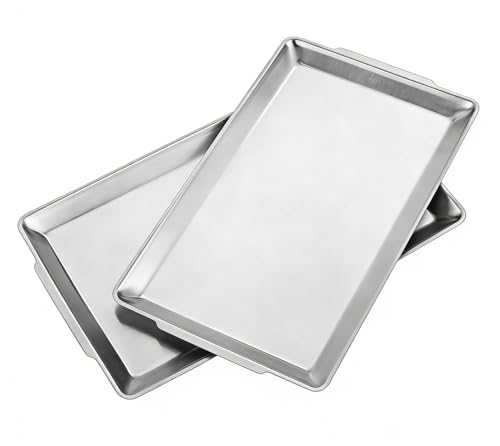
15.8" x 9.5" Large Serving Platters Set of 2, Stainless Steel Heavy-Duty Large Serving Trays, Silver Rectangular Plates for Food, Fruit, Party, Wedding, Christmas, Chip and Scratch Resistant
Elegant design for multiple servings: This set of 2 silver stainless steel large serving plates (15.8 L x…
As an affiliate, we earn on qualifying purchases.
As an affiliate, we earn on qualifying purchases.

Charity Leaf Disposable Palm Leaf 14" x 10" Trays (10 pieces) Bamboo Like Serving Platters, Disposable Boards, Eco-Friendly Dinnerware For Weddings, Catering, Events
💪 Heavy-Duty, Leakproof & Sturdy for All Meals: Made from the strong center of palm leaves, these heavy-duty…
As an affiliate, we earn on qualifying purchases.
As an affiliate, we earn on qualifying purchases.