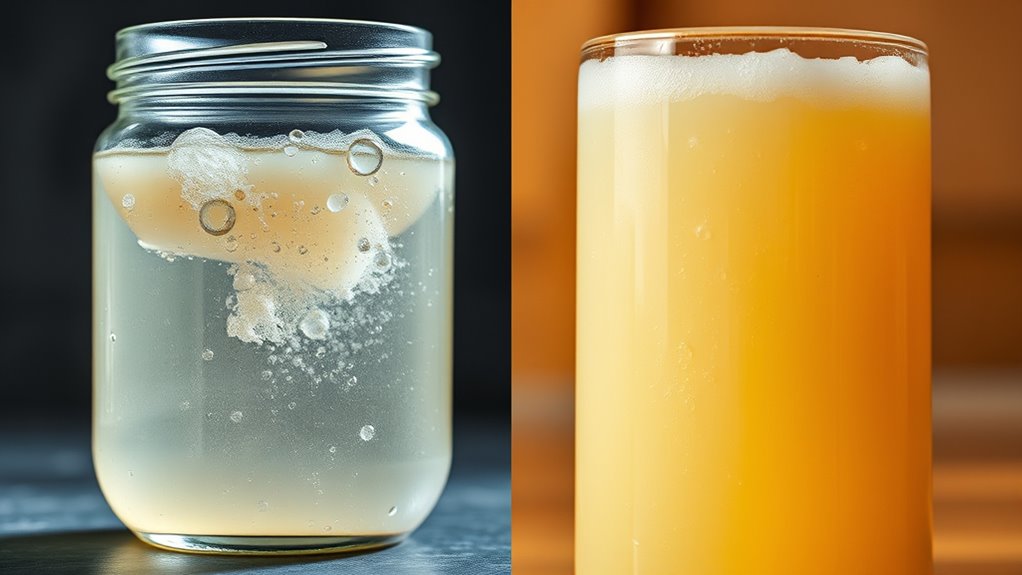

For ideal fermentation times, a 3–5 day cold ferment at 10-15°C offers deeper flavor and improved texture, perfect for complex sourdoughs and pickles. A short fermentation, lasting a few hours to two days at 20-30°C, speeds up the process for milder tastes and quick results. Your choice depends on whether you prioritize richer flavors or faster production. To discover how to optimize each method, explore further.

Get baking supplies delivered free with Prime
- Fast, free delivery on millions of items
- Prime Video, Amazon Music and more included
- Member-only deals all year
Key Takeaways
- Cold fermentation (3-5 days) enhances flavor complexity and texture, ideal for sourdough and nuanced products.
- Short fermentation (a few hours to 2 days) offers quicker results with milder, fresher flavors.
- Temperature control is critical: lower temps slow microbial activity, longer times develop deeper flavors.
- Short ferments are suitable for rapid recipes, while cold ferments suit foods needing refined taste and texture.
- Choice depends on desired flavor profile, production speed, and microbial activity management.

Understanding fermentation times is essential if you want to produce high-quality homemade foods and beverages. When it comes to fermentation, timing influences flavor, texture, and safety. To get it right, you need to pay attention to factors like starter cultures and fermentation temperature. Starter cultures introduce specific bacteria or yeasts that kick-start the fermentation process, and their activity depends heavily on the temperature you maintain. If the temperature is too high or too low, it can either accelerate or slow down fermentation, impacting the overall quality of your product.
Fermentation times affect flavor, texture, and safety, depending on starter cultures and temperature control.
In a cold ferment, which typically lasts between three to five days, the fermentation temperature is kept lower, often around 10-15°C (50-59°F). This slow process allows the microbes in your starter cultures to develop more complex flavors and a better texture. Because the activity of your starter cultures is subdued at these temperatures, the fermentation takes longer, but the results are often more nuanced and refined. This method is ideal for foods like sourdough bread or certain pickles, where a deeper flavor profile is desirable. During cold fermentation, it’s vital to maintain a consistent temperature; fluctuations can hinder microbial activity and lead to uneven fermentation. Additionally, proper sanitation is crucial during cold fermentations to prevent unwanted microbial contamination from affecting the final product.
Short fermentations, on the other hand, typically last from a few hours up to two days. This approach relies on higher fermentation temperatures—around 20-30°C (68-86°F)—which speed up microbial activity. If you’re using starter cultures designed for rapid fermentation, this method allows you to produce your desired flavor and texture in a shorter period. Short fermentations are perfect when you’re in a hurry or aiming for a fresher, milder taste. However, you need to be vigilant about monitoring temperature and timing because rushing the process can sometimes result in less developed flavors or microbial imbalance if the fermentation isn’t properly controlled.
In both cases, understanding how fermentation temperature influences starter culture activity is key. At higher temperatures, microbes are more active, speeding up fermentation but risking over-fermentation or off-flavors if left too long. Conversely, cooler temperatures slow down microbial activity, requiring patience but often resulting in a more complex and balanced final product. Whether you choose a cold, extended fermentation or a quick, short one, paying attention to these factors will help you produce consistent, high-quality homemade foods and beverages.
cold fermentation starter culture
As an affiliate, we earn on qualifying purchases.
As an affiliate, we earn on qualifying purchases.
Frequently Asked Questions
How Does Fermentation Time Affect Flavor Complexity?
Fermentation time directly impacts flavor development and fermentation depth. The longer you let it ferment, the more complex and nuanced the flavors become, as microbes produce a wider range of aromatic compounds. Shorter fermentations result in fresher, simpler tastes, while extended periods deepen the flavor profile. By controlling fermentation time, you shape the overall taste, balancing brightness with complexity to match your desired flavor profile.
Can I Skip Cold Fermentation Altogether?
Skipping cold fermentation is like rushing a painting before it’s finished—you miss out on the depth and richness that come with patience. Cold fermentation allows flavor development to unfold slowly, enriching your product with complexity. Without it, you risk a flatter, less nuanced taste. While you can skip it, you’ll sacrifice the depth and character that cold fermentation provides, leaving your final result less vibrant and layered.
What Are Signs of Over-Fermentation?
You’ll notice over-fermentation when the fermentation speed slows down markedly, and the flavor development becomes overly sour or vinegary. Your dough might develop a strong alcohol smell, and bubbles may diminish or disappear. It can also develop an off-putting aroma or taste. If you see these signs, it’s a clear indicator that the fermentation has gone too far, and you should either use it immediately or halt the process to prevent undesirable flavors.
How Do Ambient Temperatures Influence Fermentation Duration?
When it comes to fermentation, you’re really playing with fire if you ignore ambient temperature because it influences fermentation speed. Warmer temps accelerate fermentation, making it faster than usual, while cooler temperatures slow it down, prolonging the process. You’ll need to keep an eye on your environment, as fluctuations can throw off your timing. Think of temperature as the engine that drives your fermentation, so control it to avoid surprises.
Is Longer Fermentation Always Better?
Longer fermentation isn’t always better. Many fermentation myths suggest extended times improve flavor, but over-fermentation can compromise fermentation safety and lead to spoilage. You should focus on your desired taste and texture instead of blindly extending fermentation. Monitor your ferment for signs of proper fermentation, like bubbles or acidity, and avoid risking safety by fermenting too long. Trust your senses over myths to achieve the best results.
fermentation temperature control thermometer
As an affiliate, we earn on qualifying purchases.
As an affiliate, we earn on qualifying purchases.
Conclusion
Whether you opt for a 3–5 day cold ferment or a quick short ferment, each method has its perks. A longer cold ferment lets flavors deepen, much like aging wine, while a short ferment offers instant gratification, like a fast coffee brew. Both approaches suit different lifestyles—patience or speed. So, choose what fits your rhythm, and enjoy baking your perfect bread or brewing your ideal batch, whether you wait or go quick.
sourdough bread fermentation kit
As an affiliate, we earn on qualifying purchases.
As an affiliate, we earn on qualifying purchases.
As an affiliate, we earn on qualifying purchases.
Fall Picks
fall essentials
As an affiliate, we earn on qualifying purchases.