To use your infrared thermometer accurately, regularly calibrate it following the manufacturer’s instructions and use calibration targets if needed. Aim the device precisely at the target, keeping the right distance-to-spot ratio, and avoid reflecting surfaces or shiny metals. Confirm the environment is stable, at the right temperature, and surfaces are at thermal equilibrium before measuring. Proper technique and awareness of environmental factors help improve reliability—continue exploring for detailed tips to perfect your method.

Get baking supplies delivered free — and shop member deals
- Fast, free delivery on millions of items
- Access to Prime Big Deal Days deals on October 6–7
- Prime Video, Amazon Music and more included
Key Takeaways
- Calibrate the device regularly using manufacturer-recommended procedures or calibration targets.
- Ensure the environment is stable, within specified temperature and humidity ranges, before taking measurements.
- Aim accurately at the target area using the laser pointer, maintaining the correct distance-to-spot ratio.
- Wait for surfaces to reach thermal equilibrium and avoid reflective or shiny surfaces that can distort readings.
- Maintain consistent measurement techniques and perform routine maintenance to prevent accuracy drift.
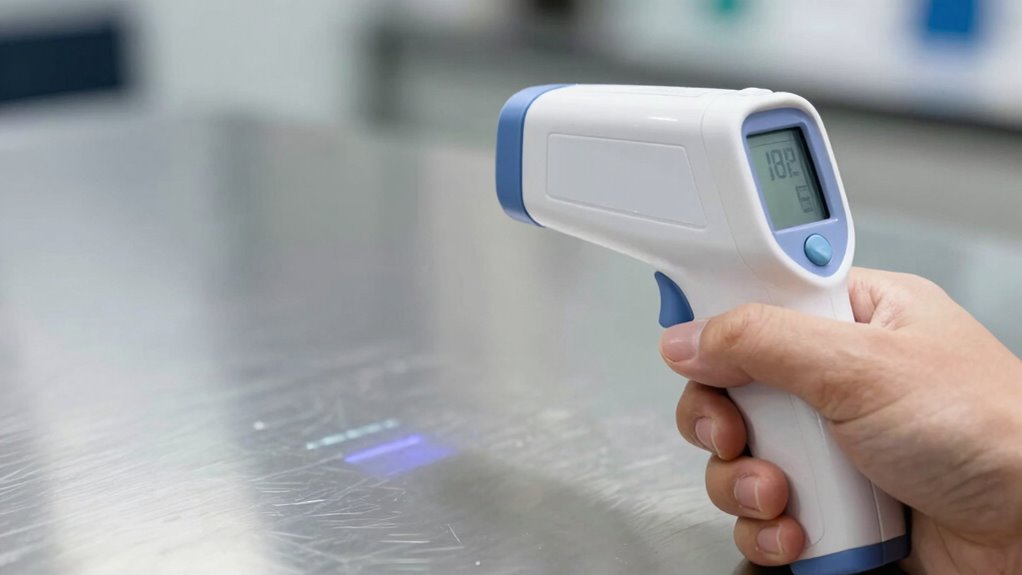
Using an infrared thermometer can provide quick and non-contact temperature readings, but to get the most accurate results, you need to know how to use it correctly. One key aspect is understanding calibration techniques. Over time, your device’s accuracy can drift, so regularly calibrating it ensures you’re getting reliable measurements. Many infrared thermometers come with a calibration mode or require special calibration targets, which you should use periodically. Follow the manufacturer’s instructions carefully, as improper calibration can lead to inaccurate readings. Some models allow for manual calibration adjustments, and doing this as part of your routine maintenance helps maintain precision. If you notice inconsistent readings, it might be time for recalibration or professional servicing. Proper calibration is crucial, especially if you rely on your thermometer for critical measurements, such as in food safety or medical settings. Additionally, understanding the importance of calibration helps ensure your measurements stay accurate over time. Environmental considerations also play a significant role in obtaining accurate temperature readings. The ambient temperature, humidity, and even nearby heat sources can all influence your infrared thermometer’s accuracy. Before taking a measurement, ensure the environment is stable and within the specified operating conditions of your device. For example, if you’re measuring the temperature of a surface in a hot kitchen or a cold outdoor setting, the readings may be skewed if the device isn’t properly adjusted or if environmental factors aren’t accounted for. To minimize these effects, allow surfaces to reach thermal equilibrium with their surroundings before measuring, and avoid pointing the thermometer at reflective surfaces or shiny metals, which can reflect infrared radiation and distort readings. In addition, always aim the thermometer at the correct spot on the surface you’re measuring. Many devices have a laser pointer to help you aim accurately, but you should also consider the distance-to-spot ratio—meaning how far away you can hold the device and still get an accurate reading of the area. Holding the device too far from the target can result in averaging over a larger area, reducing accuracy. Conversely, holding it too close might not give you the full picture if the spot size is too small. By paying close attention to calibration techniques and environmental factors, you’ll make sure your infrared thermometer provides consistent, trustworthy readings every time you use it.

GuliTech Bench IR Temperature Calibrator CEM BX-500 500C 932F Blackbody Target Size 2.25" Portable for Industrial Temperature Calibrator(BX-500)
- Blackbody Target Size: 2.25-inch diameter
- Temperature Range: 50°C to 500°C (932°F)
- Temperature Control Precision: Set-point increments of 0.1°
As an affiliate, we earn on qualifying purchases.
As an affiliate, we earn on qualifying purchases.
Frequently Asked Questions
Can Infrared Thermometers Measure Temperature Through Glass or Plastic?
Infrared thermometers can’t accurately measure temperature through glass or plastic because of glass transparency and plastic interference. These materials block or distort the infrared signals, preventing correct readings. When measuring, make sure to target exposed, non-opaque surfaces for the most accurate results. Avoid using the thermometer through glass or plastic containers, as these barriers hinder proper temperature detection, leading to unreliable measurements.
How Does Ambient Temperature Affect Infrared Thermometer Readings?
Ambient influence and temperature variance can subtly sway your infrared thermometer readings. When the surrounding environment is warmer or cooler than the target, it might cause slight inaccuracies, like a gentle ripple in the data. To minimize this, guarantee consistent ambient conditions and give your thermometer time to adjust. By being mindful of temperature fluctuations, you’ll get more reliable results and avoid the illusion of false readings caused by ambient influence.
What Is the Ideal Distance-To-Spot Ratio for Accurate Measurements?
You should maintain a distance-to-spot ratio of at least 12:1 for accurate measurements. This means if you’re 12 inches away, the spot size is about 1 inch in diameter. Keeping this ratio guarantees your infrared thermometer targets the correct area, improving measurement accuracy. Staying within this range helps avoid errors caused by averaging temperature over a larger or unintended surface, ensuring precise and reliable temperature readings every time.
Are Infrared Thermometers Suitable for Measuring Body and Surface Temperatures Simultaneously?
Infrared thermometers are generally not suitable for measuring body and surface temperatures simultaneously due to differences in medical accuracy and surface differentiation. They are designed to provide accurate readings of surface temperatures, but body temperature measurement requires specialized devices like medical thermometers. Using an infrared thermometer for both can lead to inaccuracies, especially since surface differentiation matters when evaluating skin versus core temperatures. Always choose the right tool for precise results.
How Often Should I Calibrate My Infrared Thermometer for Precision?
Calibrate your infrared thermometer consistently for precision, ideally every one to two years or after any significant impact or exposure to extreme conditions. Regular calibration keeps your device dependable, ensuring accuracy maintenance. If you notice inconsistent readings or suspect drift, calibrate sooner. By sticking to a schedule, you safeguard your measurements, securing confidence in your readings and ensuring your infrared thermometer remains reliable, responsive, and ready to deliver precise, professional results.

Etekcity Infrared Thermometer Laser Temperature Gun 774
- Versatile Measurement Applications: Measures objects indoors and outdoors
- High Accuracy: 12:1 distance-to-spot ratio for precise readings
- Easy to Use: Quick temperature readings on bright LCD display
As an affiliate, we earn on qualifying purchases.
As an affiliate, we earn on qualifying purchases.
Conclusion
By following these tips, you’ll get the most accurate readings from your infrared thermometer. Remember to keep the lens clean, aim properly, and consider environmental factors. Don’t rush the process—patience pays off. When you take the time to do it right, you’ll avoid unnecessary guesswork and stay ahead of potential health issues. In the end, it’s better to be safe than sorry, so trust the process and stay vigilant.
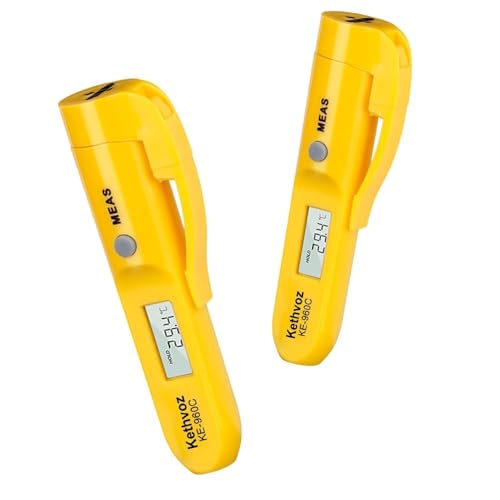
Infrared Food Thermometer Non Contact, Kethvoz Digital Laser Temp Pen 990C
- Fast and Accurate Measurement: Captures heat in 3 seconds with <1.5% error
- Non-Contact Design: Tests food temperature without touching for hygiene
- Clear LCD Display: Bright screen with Celsius/Fahrenheit toggle
As an affiliate, we earn on qualifying purchases.
As an affiliate, we earn on qualifying purchases.

Traceable Mini Infrared Thermometer
- Compact, pocket-sized design: Economical noncontact thermometer
- Fast readings: Provides results in less than 1 second
- Easy to use: Point, press, and read
As an affiliate, we earn on qualifying purchases.
As an affiliate, we earn on qualifying purchases.
Fall Picks
fall essentials
As an affiliate, we earn on qualifying purchases.