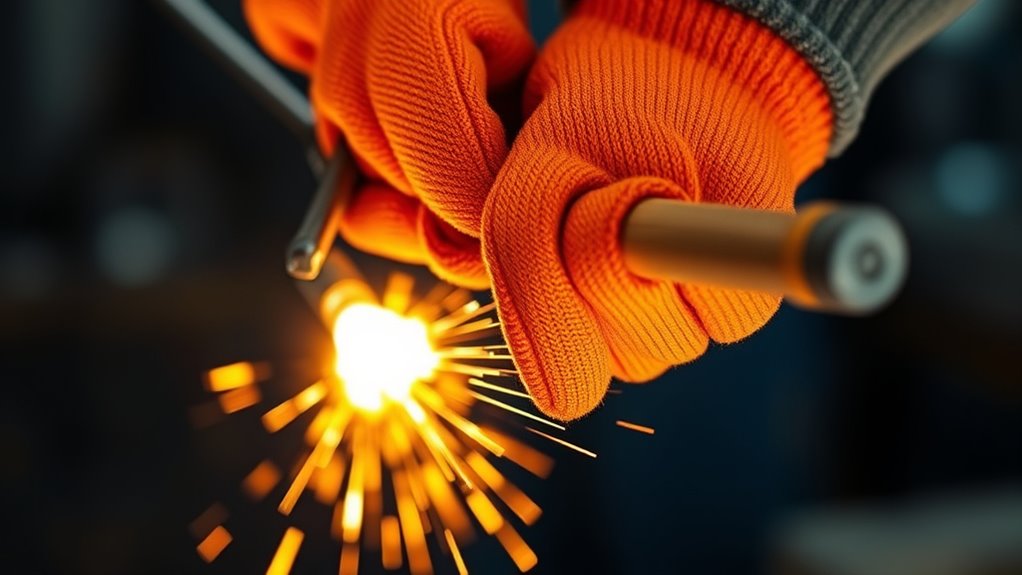

To avoid burns, always wear protective gloves made of heat-resistant materials like leather, rubber, or aluminized fabrics, depending on the task and temperature level. Use long‑handled tools to keep your hands and body away from hot surfaces or materials. Regularly inspect and maintain both gloves and tools to make certain they’re in good condition and function properly. Proper storage also helps prolong their effectiveness. Continue exploring to learn more tips for staying safe around hot surfaces.

Get baking supplies delivered free with Prime
- Fast, free delivery on millions of items
- Prime Video, Amazon Music and more included
- Member-only deals all year
Key Takeaways
- Choose glove materials like leather, rubber, or aluminized fabrics suited to task temperature and exposure duration.
- Regularly inspect and maintain long‑handled tools for damage, corrosion, and proper operation.
- Use gloves and long‑handled tools together to minimize direct contact with hot surfaces.
- Store tools properly in dry, organized spaces to prevent deterioration and ensure safety.
- Ensure tools are in good condition to prevent slips or breaks that could lead to burns.
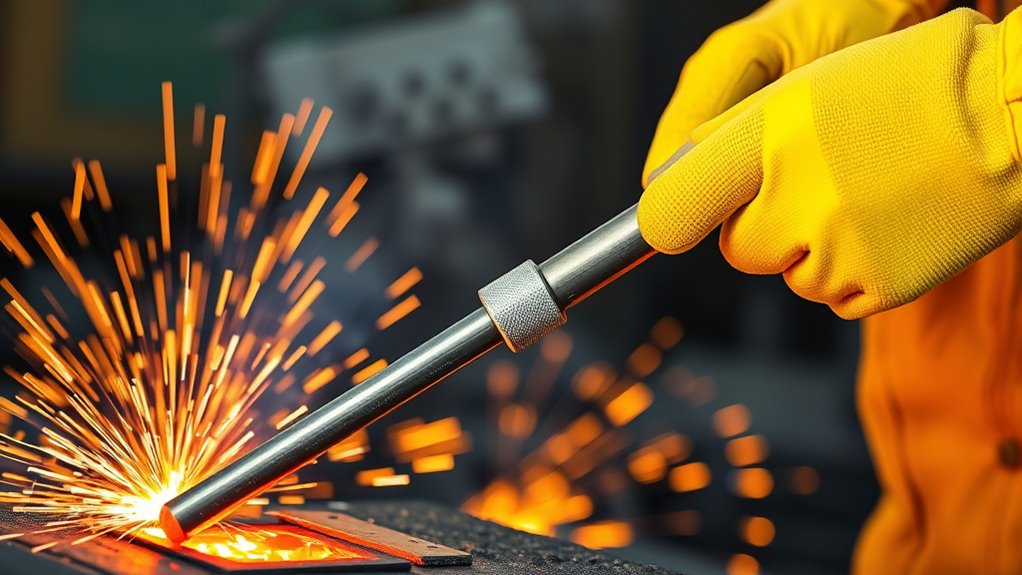
Burns are a common hazard when working with hot surfaces or materials, but you can substantially reduce your risk by using protective gloves and long‑handled tools. Your choice of glove materials directly impacts your safety; materials like leather, heat-resistant rubber, or specialized aluminized fabrics can withstand high temperatures and prevent burns. Leather gloves offer durability and some heat resistance, making them suitable for handling hot objects, while rubber gloves with heat-resistant coatings provide a barrier against splashes or accidental contact with hot surfaces. For extreme heat, aluminized fabrics reflect radiant heat away from your skin, offering superior protection. Selecting the right glove material depends on the specific task, temperature level, and exposure duration, so always evaluate these factors before choosing your protective gear.
In addition to choosing the right gloves, maintaining your tools plays a vital role in safety. Well-maintained tools reduce the risk of accidental burns caused by malfunction or damage. Regular tool maintenance involves inspecting handles, blades, and other components for wear, cracks, or corrosion. Damaged handles, for example, can slip or break when you’re working, exposing you to hot surfaces unexpectedly. Clean your tools frequently to remove debris and prevent buildup that might interfere with their performance. Lubricate moving parts as needed to ensure smooth operation, especially for long‑handled tools designed for reaching into hot or hazardous areas. Proper storage also helps prevent damage; keep your tools in a dry, organized space to avoid rust and deterioration, which can compromise safety during use. Additionally, understanding retail hours can help you plan your shopping trips to acquire quality protective gear and tools when stores are open.
Using long‑handled tools reduces your direct contact with hot surfaces, but only if they’re in good condition. Twisted, bent, or broken tools can slip or break during use, potentially exposing you to burns. Always verify that your tools are structurally sound before use. Check handles for splinters or cracks and tighten any loose fittings. When handling hot materials, use tools with insulated or non-conductive handles to provide an extra layer of protection. Remember, tools are an extension of your safety, so investing time in proper maintenance pays off by preventing accidents and making sure your protective gloves and tools work effectively together.
Frequently Asked Questions
What Are the Best Materials for Heat-Resistant Gloves?
You should choose gloves made from materials with high durability and excellent heat resistance ratings, like Kevlar, silicone, or leather. Kevlar offers durability and heat resistance, silicone provides flexibility and high heat resistance, while leather combines toughness with good heat protection. Always check the heat resistance ratings to guarantee they meet the specific temperatures you’ll encounter. This way, you’ll stay protected and avoid burns during your tasks.
How Do I Maintain and Clean Protective Gloves Properly?
To maintain your protective gloves, regularly inspect them for damage to guarantee durability. Clean your gloves using appropriate techniques, such as wiping with a damp cloth or gentle washing if the material allows. Avoid harsh chemicals that could weaken the gloves. Proper cleaning preserves their integrity and prolongs their lifespan, ensuring you stay protected while working. Always follow manufacturer instructions for cleaning to maintain peak protection and glove durability.
Are Long-Handled Tools Suitable for All Types of Burns?
Imagine reaching for a hot pan; long-handled tools keep your hands safe from burns, but they aren’t suitable for all burn types. For deep or chemical burns, you need immediate medical attention, not just tools. Long-handled tools excel at burn prevention for surface or minor burns, helping you maintain a safe distance from heat sources. Always assess the burn severity first, then choose your approach accordingly.
Can Gloves and Tools Be Used Together for Maximum Protection?
Yes, gloves and tools can work together for maximum protection if you guarantee glove compatibility with the tools. Choose gloves made from durable, heat-resistant materials that won’t tear or slip when handling long-handled tools. When used properly, this combo prevents burns effectively by providing a barrier against heat and sharp edges. Always check glove compatibility with your tools and prioritize durability to keep you safe during hazardous tasks.
What Should I Do if Gloves or Tools Are Damaged During Use?
Imagine your gloves and tools as your armor on the battlefield. If they get damaged, you need to act quickly. For gloves, perform glove repair if possible, or replace them to guarantee continuous protection. For tools, inspect for damage and opt for tool replacement if needed. Staying vigilant keeps your defenses strong, preventing burns and injuries. Always prioritize replacing or repairing damaged gear before resuming work.
Conclusion
So, next time you’re tempted to skip those gloves or long-handled tools, remember—they’re your best defense against burns. Ironically, ignoring simple safety measures might seem quicker, but it’s often what leads to the most painful surprises. Protect yourself now, and you’ll thank yourself later—because burns aren’t just a quick sting, they’re a reminder that safety should never be optional. Don’t wait for a burn to realize the value of proper protective gear.
Halloween Picks
halloween
As an affiliate, we earn on qualifying purchases.