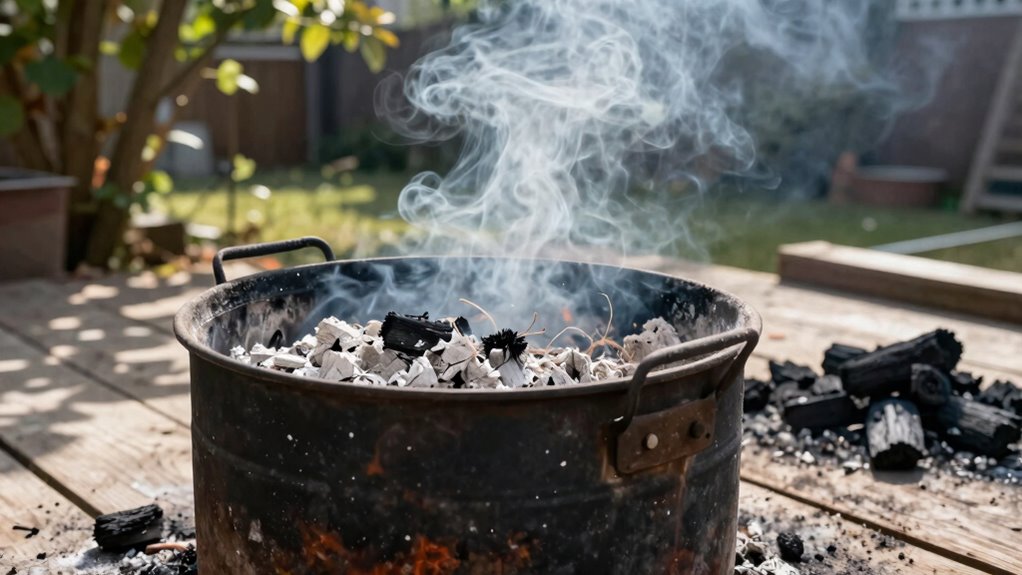

Many backyard cooks make the mistake of disposing of hot ashes in plastic bags or cardboard boxes, which can melt or catch fire. You often forget to fully cool your ashes before transferring them, risking accidental fires. Using unsafe containers and ignoring local regulations also increase hazards. Being aware of these common mistakes and following proper disposal steps can help prevent accidents. Keep going, and you’ll find helpful tips to enhance your safety practices.

Get baking supplies delivered free with Prime
- Fast, free delivery on millions of items
- Prime Video, Amazon Music and more included
- Member-only deals all year
Key Takeaways
- Using plastic bags or cardboard boxes for hot ashes can cause fires or melting hazards.
- Failing to fully cool ashes before disposal increases fire risk.
- Disposing of ashes on combustible surfaces or near structures compromises safety.
- Ignoring local disposal regulations may lead to fines or unsafe practices.
- Overlooking proper storage with secure, metal containers can result in accidental fires.
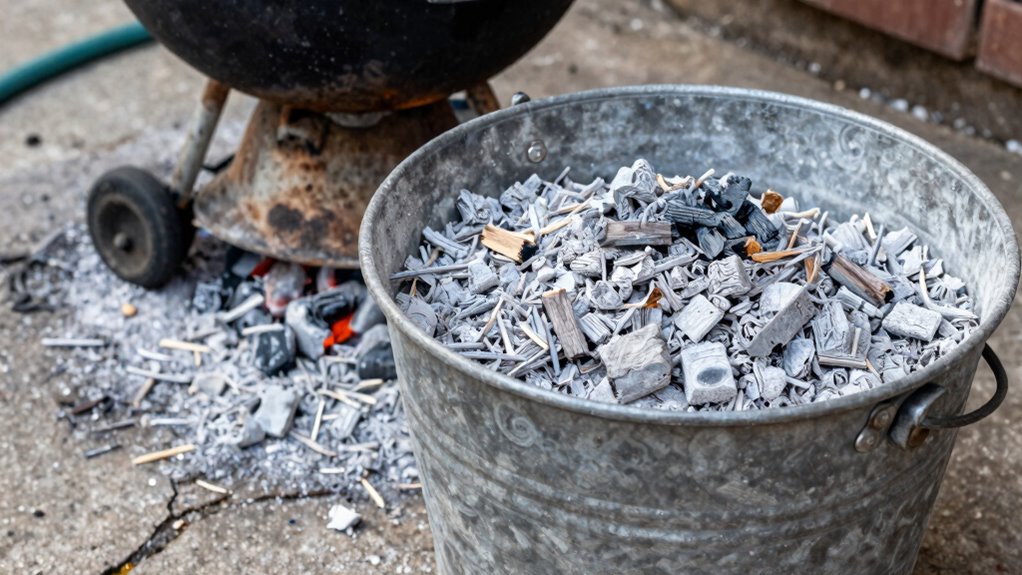
Many backyard cooks also overlook the importance of proper disposal containers. Plastic bags or cardboard boxes aren’t designed for hot ash and can melt or catch fire. Instead, you should choose a metal container with a secure lid. After ensuring the ashes are fully cooled, carefully transfer them into this container. Store it away from combustible structures, like your shed or wooden fence, and keep it on a non-flammable surface. This simple step greatly reduces the risk of accidental fires caused by leftover heat. Additionally, understanding the fire safety risks associated with leftover heat can help prevent accidents. Recognizing the hazards of improper disposal can motivate proper handling practices to keep your home safe. Many backyard cooks also neglect to check local regulations or guidelines for ash disposal. Some communities have specific rules about how and where you can dispose of ashes, especially if they contain remnants of charcoal or treated wood. Ignoring these rules can lead to fines or safety hazards. Always stay informed about recommended practices in your area to ensure you’re disposing of ashes responsibly and safely.
As an affiliate, we earn on qualifying purchases.
Frequently Asked Questions
Can Ash Be Used Directly as Fertilizer in My Garden?
You shouldn’t use ash directly as fertilizer in your garden. While it can help with soil enrichment and pH adjustment, too much ash can harm plants by making the soil too alkaline or introducing harmful chemicals. Instead, spread ash sparingly and mix it well into your soil. Always test your soil’s pH first, and remember that moderation is key to safely utilizing ash as a garden amendment.
How Long Should Ashes Cool Before Disposal?
Oh, the thrill of ash disposal—don’t rush it! You should wait at least 24 hours for ashes to cool before disposal. Ash safety is no joke; hot ashes can reignite or cause fires. Rushing disposal can lead to dangerous accidents. So, be patient, let the ashes cool completely, and only then toss them in a metal container or appropriate waste. Safety first, chaos second!
Is It Safe to Dispose of Ashes in Regular Trash?
It’s generally safe to dispose of cooled ashes in your regular trash, but you should use an ash container made of metal with a tight-fitting lid to prevent fire risks. Make sure the ashes are completely cool before disposal to avoid accidental fires. Follow proper disposal methods by placing ashes in the ash container, sealing it securely, and then discarding it in your trash bin. Never dispose of hot ashes directly into the trash.
Are There Any Plants Sensitive to Ash Contact?
If your neighbor’s azaleas suffered leaf scorch after ash contact, you’ve seen plant toxicity firsthand. Certain plants, like blueberries and azaleas, are sensitive to ash contact because their roots absorb harmful minerals. Disposing of ash near these plants can cause damage. Always keep ash away from delicate plants, as their toxicity levels make them vulnerable. Protect your garden by understanding which plants are sensitive to ash contact.
Can Ash Harm Nearby Animals or Pets?
Yes, ash can harm nearby animals or pets if ingested or inhaled. It poses risks to wildlife safety and pet health because ash contains potentially toxic substances like heavy metals and chemicals. Keep ash away from your pets and wildlife, and make sure it’s disposed of properly. Prevent them from licking, sniffing, or eating the ash to avoid health issues, respiratory problems, or poisoning. Always handle ash with care to protect your animals.
As an affiliate, we earn on qualifying purchases.
Conclusion
Remember, ash is like a sleeping giant—seemingly harmless but capable of waking with a fiery roar if mishandled. By avoiding common mistakes, you’re not just disposing of ash; you’re taming a wildfire’s whisper. Treat it with respect, and it’ll stay your quiet guardian, not a lurking threat. Keep safety your steady compass, and your backyard will remain a peaceful haven, where sparks of caution prevent fires from turning into uncontrollable infernos.
As an affiliate, we earn on qualifying purchases.
As an affiliate, we earn on qualifying purchases.
Halloween Picks
halloween
As an affiliate, we earn on qualifying purchases.