
TL;DR
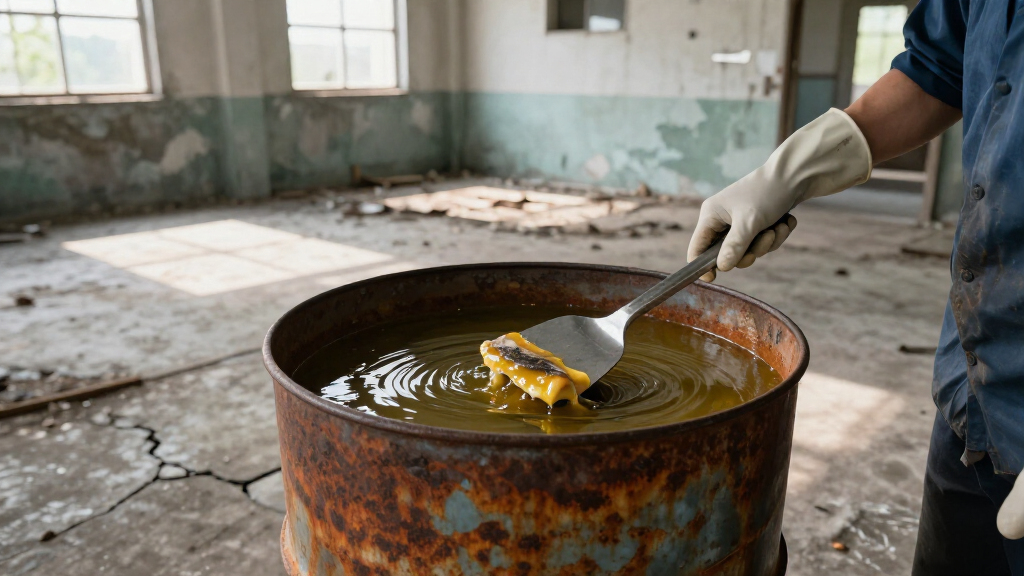
Decades-old fish sauce stored at an abandoned factory in Canada is now being officially removed. Authorities confirmed the cleanup is underway to address environmental and safety issues. The process marks a significant step in managing long-standing industrial waste.
Authorities in Canada have begun removing decades-old fish sauce stored at an abandoned factory site, marking the end of a long-standing environmental concern. The process, initiated in March 2024, is part of a government-led cleanup effort to mitigate potential health and environmental risks posed by the stored industrial waste.

Get baking supplies delivered free with Prime
- Fast, free delivery on millions of items
- Prime Video, Amazon Music and more included
- Member-only deals all year
Environmental and Public Health Implications of the Cleanup
This removal is significant because it addresses longstanding environmental concerns linked to improper waste storage at the abandoned site. Decades-old fish sauce can contain bacteria and other contaminants that pose risks to soil and groundwater if not properly managed. The cleanup demonstrates a proactive approach by authorities to mitigate potential health hazards and prevent future environmental degradation. It also highlights the importance of regulatory oversight in managing industrial waste, especially at sites abandoned for many years.
Products Worth Considering

Vitamix 5200 Professional-Grade Blender, 64 oz. Container, Black

Weber Lumin Portable Electric Grill, Black

Le Creuset Alpine Enameled Cast Iron Fondue Set, 2.5 qt., Nuit
As an affiliate, we earn on qualifying purchases.
History of the Abandoned Fish Sauce Factory in Canada
The factory, operational until the late 1980s, was once a local producer of seafood products, including fish sauce. After its closure, the site was left unused, with minimal oversight or remediation for the stored waste. Over the years, environmental groups and local residents raised concerns about the potential risks posed by the remaining waste, especially as it aged and possibly contaminated surrounding soil and water sources. In recent years, increased regulatory scrutiny and environmental assessments prompted authorities to plan for the site’s cleanup. The current effort is part of broader initiatives to address abandoned industrial sites across the region.
“The removal of this long-stored fish sauce is a necessary step to prevent environmental contamination and protect public health.”
— Environmental Agency spokesperson
Remaining Risks and Uncertainties About the Cleanup
While the removal process has started, it is not yet clear how long it will take to fully extract and dispose of all the waste. Details about the extent of contamination, potential environmental impact during removal, and future site remediation plans are still emerging. Experts caution that residual contamination could remain, and ongoing monitoring will be necessary to ensure environmental safety.
Next Steps in Site Remediation and Monitoring
Following the initial removal, authorities plan to conduct comprehensive environmental testing to assess soil and water quality. Further remediation efforts may be required if contamination is detected beyond initial expectations. The site is expected to undergo a detailed environmental assessment, with plans for long-term monitoring to prevent future hazards. The timeline for full remediation remains uncertain but is expected to span several months.
Key Questions
Why was the fish sauce stored at the factory in the first place?
The factory produced seafood products, including fish sauce, and the waste was stored on-site after the factory closed in the late 1980s. It was likely considered industrial waste at the time, with little regulation or oversight.
Is the fish sauce dangerous to the environment or public health?
Yes, due to its age and potential contamination, the fish sauce poses risks of soil and water pollution, which could impact local ecosystems and community health if left untreated.
What agencies are involved in the cleanup?
Environmental agencies from the provincial and federal governments are overseeing the removal, with specialized waste management companies handling the extraction and disposal process.
Will the site be fully cleaned and safe after this removal?
It is the goal, but full safety depends on subsequent environmental testing and possible further remediation efforts. Long-term monitoring will be necessary to confirm safety.
When will the cleanup be completed?
The timeline is still uncertain, but authorities estimate several months for full removal and initial assessment, with ongoing monitoring expected afterward.
Source: hn