
TL;DR

Get baking supplies delivered free with Prime
- Fast, free delivery on millions of items
- Prime Video, Amazon Music and more included
- Member-only deals all year
Kayem Foods is recalling more than 1.5 million pounds of ready-to-eat meat and poultry products after finding that products may have been stored in a warehouse cooler with temperature deviations. No illnesses have been confirmed; consumers are urged not to eat affected products and to discard them or return them to the place of purchase.
Kayem Foods Inc. is recalling more than 1.5 million pounds of ready-to-eat meat and poultry, including hot dogs, bacon, sausage, turkey breasts and ham, because the products may have been exposed to unsafe temperatures during warehouse storage, the U.S. Department of Agriculture’s Food Safety and Inspection Service announced October 17. No illnesses have been confirmed, but the agency says affected products may still be in consumers’ refrigerators or freezers.
The products were made between March 31 and October 7, 2026, and include items sold under various brands. The recall covers more than 100 products, according to Food Safety News’ report of the FSIS announcement. Some items have long shelf lives, increasing the chance they may still be stored at home.
The products carry one of three establishment numbers inside the USDA mark of inspection: EST. M/P 7839, EST. P 20935A or EST. M 9520. They were distributed to retail and foodservice locations across the United States and to Hong Kong. Consumers should check product labels against the agency’s recall list rather than relying on product category or brand alone.
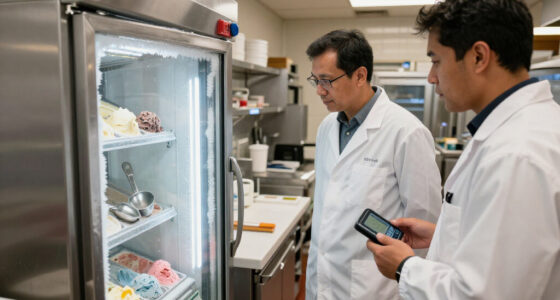
Kayem’s investigation began after a retail customer complained on October 1 about products arriving warm. The company determined that various ready-to-eat meat and poultry items had been stored in a warehouse cooler that experienced temperature deviations. FSIS said there are no confirmed reports of illness linked to the recalled products.
Checking Meat Already at Home
The recall affects a large volume of ready-to-eat products, which consumers may eat without further cooking. The central concern is that products may have been exposed to temperatures outside proper storage conditions, though the agency’s announcement does not report confirmed illnesses.
Because the products went to both retail and foodservice outlets, the notice is relevant not only to households but also to businesses that serve or store these items. Checking the establishment number and product details can help consumers and food-service operators determine whether an item is included. Anyone who finds a match should not taste it or serve it.
FSIS advises consumers to throw the products away or return them to the place of purchase. Anyone concerned about an illness after eating a recalled product should contact a healthcare provider. The recall notice does not establish that every product in the listed categories was improperly stored; it applies to the products identified in the agency’s recall information.
As an affiliate, we earn on qualifying purchases.
How the Recall Was Identified
According to the reported FSIS notice, the issue came to light when a retail customer reported warm product temperatures at delivery on October 1. Kayem investigated and found that a warehouse cooler had experienced temperature deviations while holding various ready-to-eat meat and poultry products. The recall announcement followed on October 17.
The affected production window spans more than six months, from March 31 through October 7. The recalled range includes several types of meat and poultry and products sold under different brands. The agency identifies items through product-specific information and the establishment numbers printed in the USDA inspection mark; its notice points consumers to a list of more than 100 products and examples of labels.
This report is based on the recall details attributed to FSIS by Food Safety News. The source material does not provide a complete product-by-product list in the text supplied here, so consumers should consult the official recall listing before deciding whether a particular package is affected.
““There have been no confirmed reports of illness due to consumption of these products.””
— U.S. Department of Agriculture’s Food Safety and Inspection Service, as reported by Food Safety News
As an affiliate, we earn on qualifying purchases.
What the Notice Does Not Specify
The announcement does not state how warm the products became, how long any temperature deviations lasted, or which individual items were exposed to which conditions. It also does not provide a confirmed illness count beyond saying no illnesses have been confirmed. The available information does not establish that any particular consumer became ill.
The source report refers to a list of more than 100 affected products and links to product labels, but the full itemized list is not reproduced in the information provided here. Brand names, package sizes and date codes should be checked against the official FSIS recall notice. It is also not clear from the supplied report how many products were sent to Hong Kong or how many reached consumers or food-service businesses.
As an affiliate, we earn on qualifying purchases.
Checking Labels and Following Updates
Consumers should compare packages in their homes with the official FSIS product list and label images, paying attention to product names and establishment numbers. If an item matches, do not eat it; discard it safely or return it to the retailer. Food-service businesses should check their inventory and stop serving any affected products.
People who believe they became ill after eating a recalled item should contact a healthcare provider. FSIS and Kayem may provide further product or distribution details as the recall response develops. The supplied report does not give a deadline for returns, a specific refund process or a date for additional updates.
As an affiliate, we earn on qualifying purchases.
Key Questions
Which products are included in the recall?
The recall covers more than 1.5 million pounds of ready-to-eat meat and poultry, including hot dogs, bacon, sausage, turkey breasts, ham and other products. It spans more than 100 items sold under various brands. Check the official FSIS list for exact products and labels.
How can I tell whether a package is affected?
Compare the product details with the FSIS recall listing and look for establishment numbers EST. M/P 7839, EST. P 20935A or EST. M 9520 inside the USDA mark of inspection. The number alone should be checked alongside the specific product information in the notice.
What should I do with a recalled product?
Do not eat it. FSIS says affected products should be thrown away or returned to the place of purchase. Do not taste a product to determine whether it is safe.
Have illnesses been reported?
The FSIS announcement said no illnesses had been confirmed in connection with the recalled products at the time of the notice. Anyone concerned about symptoms should contact a healthcare provider.
Where were the products distributed?
The products were shipped to retail and foodservice locations nationwide in the United States and to Hong Kong. The supplied report does not specify the quantity sent to each destination.
Source: rss
Halloween Picks
halloween
As an affiliate, we earn on qualifying purchases.